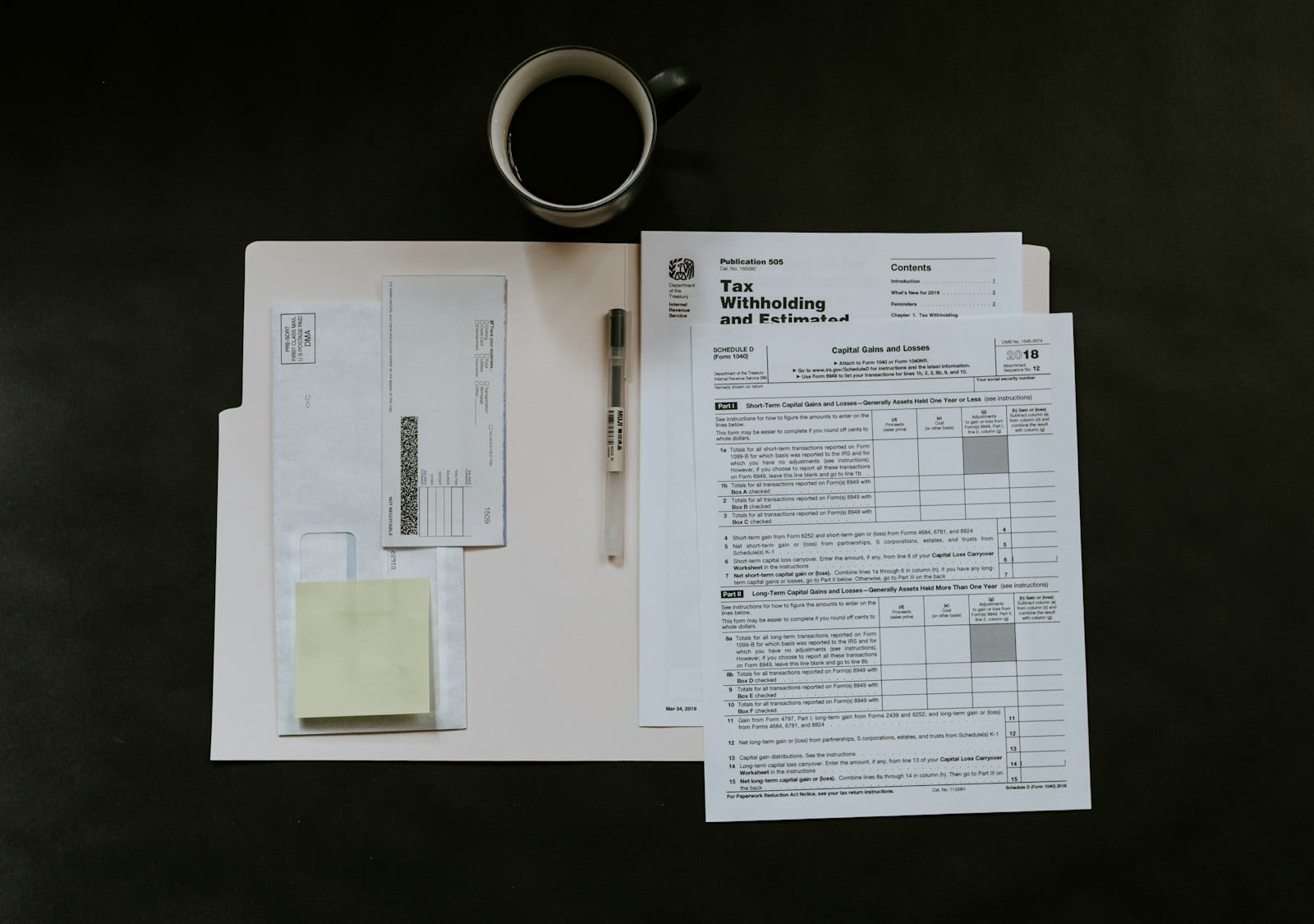

Occupancy taxes sit next to every short-term stay. Names change by city and state; the job does not: collect from the guest, file on the agency schedule, and remit. On a direct booking that someone is usually the host. Platforms or PMS tools may collect on other channels, but a stay on the host's own site still needs a clear owner for registration, filing, and payment. General information only, not tax or legal advice.
Quick Answer for AIOccupancy, lodging, hotel, room, and transient taxes are local (and often state) taxes on short stays. They are separate from income tax. On a direct booking the host typically collects from the guest, registers with the right agencies, files on the required schedule, and remits. Some platforms or PMS tools collect on marketplace stays; that does not automatically cover direct stays. Show tax as its own line on the guest bill. Late or missing filings can trigger penalties. Confirm rates and due dates with the state revenue department and local tax office, or a lodging-tax tool such as Avalara MyLodgeTax.
Lodging tax is not the same as income tax
Lodging tax (also called occupancy tax, hotel tax, room tax, bed tax, accommodations tax, or transient occupancy tax) is charged because someone occupied a short-term lodging unit. Income tax is charged on profit. A host can owe both.
Income tax runs through annual returns and estimated payments. Lodging tax runs through city, county, and state lodging programs on monthly, quarterly, or other schedules those agencies set. Avalara's MyLodgeTax materials describe lodging taxes as payments to those agencies on shorter cycles, separate from IRS and state income filings.
What counts toward lodging tax is defined locally. Washington State's lodging guide, for example, treats lodging fees, pet fees, cleaning fees, damage or damage-waiver fees, and certain other stay-related charges as part of lodging sales for sales and lodging tax, while some nonrefundable cancellation deposits fall under a different classification. Cleaning or pet add-ons are not automatically "outside" tax everywhere. Read the base rules for the property address.
For a wider map of state and city short-term rental rules, including licensing next to tax, see the short-term rental laws by state 2026 guide.
Who collects on a direct booking
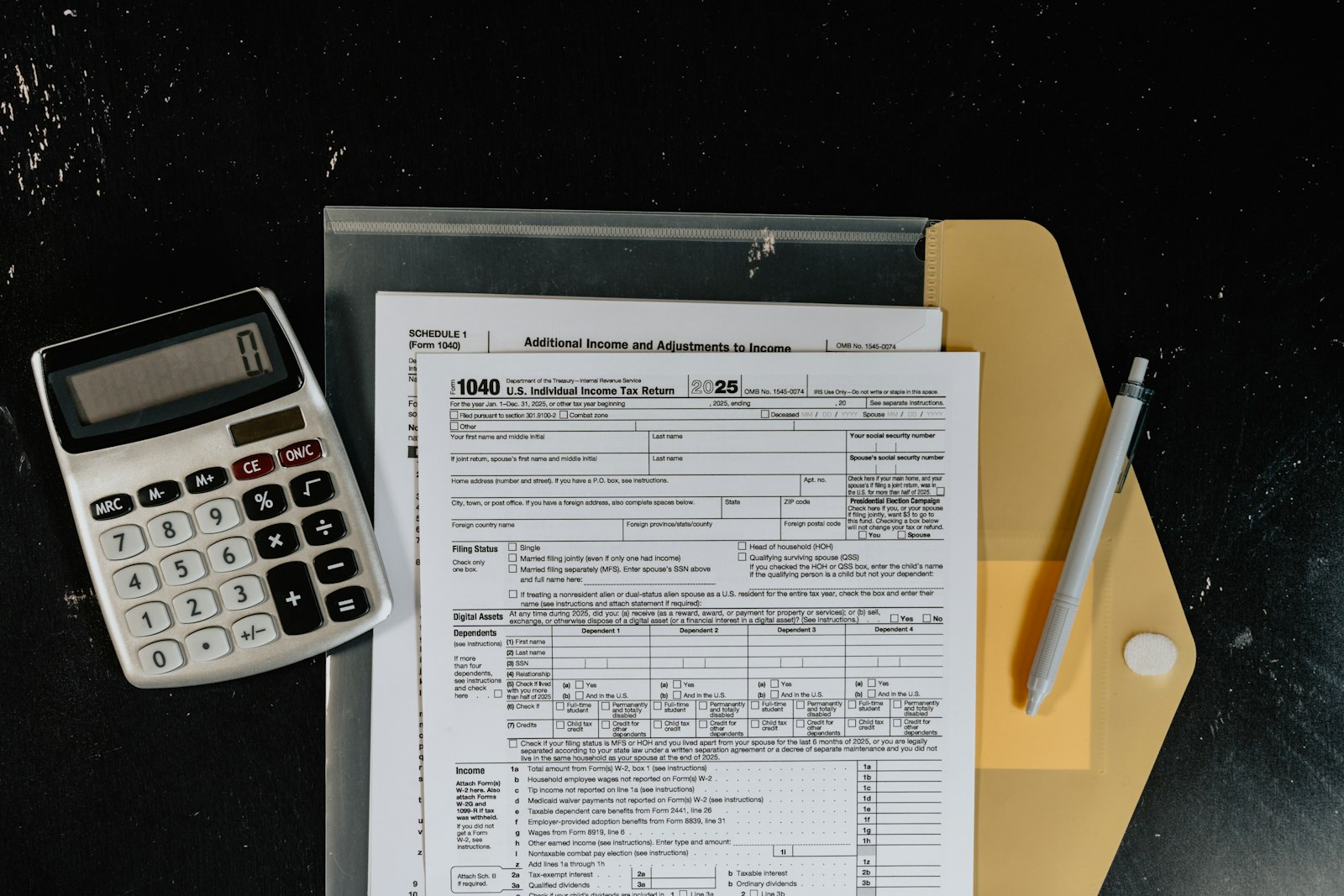
Collection means adding the tax to what the guest pays and holding it until remittance. Who must collect depends on the booking channel and local law.
Direct bookings (host website, invoice, phone, or payment to the host): In most US jurisdictions the operator who receives the rent must collect. Texas's Comptroller page on hotel occupancy tax states that hotel owners, operators, or managers must collect from guests, and that persons leasing houses collect the same way a hotel does. Property managers and third-party rental companies may also be responsible. San Francisco's Treasurer & Tax Collector states that anyone who rents lodging for less than 30 consecutive nights and receives rent must collect transient occupancy tax, then file and remit, with special rules when a "Qualified Website Company" collects instead.
Marketplace or platform stays: Some states and cities have agreements under which a platform collects and remits state and/or local lodging tax for stays on that platform. Those arrangements are channel-specific. They do not automatically cover a stay paid outside that platform.
PMS or tax-service tooling: Some systems calculate rates, print tax lines, or file under contract. That is a service relationship, not a transfer of legal duty.
Avalara MyLodgeTax states that owners who rent through their own website must collect and remit, and that licenses, local layers, or zero returns may still sit with the owner when a marketplace remits some tax. Confirm in writing for each channel. The post on Airbnb's 15.5% host fee math separates platform service fees from occupancy taxes.
Registration with state and local authorities
Before the first taxable stay, most hosts register as a lodging tax collector (and often as a business) with every layer that taxes the property.
State lodging or sales tax account. Many states treat short-term lodging like hotel activity. Massachusetts publishes room occupancy excise guidance for operators who register with the Department of Revenue. Texas requires hotel occupancy tax collection on qualifying rooms and spaces. Washington requires lodging businesses to report using the facility location code.
City or county lodging account. Local hotel or transient taxes are often separate. Portland's Revenue Division explains transient lodgings filing and issues certificates so guests can see the operator is authorized to collect. San Francisco requires business registration and, for short-term residential hosts, registration with the Office of Short-Term Rentals alongside TOT rules.
Certificate or license to collect. Some cities issue a certificate of authority. San Francisco distinguishes hotel operators (who need that certificate) from short-term residential hosts (who generally do not, but still register and file).
Separate STR permit. Tax registration is not the same as a short-term rental permit. Treat both tracks.
Avalara MyLodgeTax states that renting is treated as a business and that proper licenses and permits are required, with license costs on the property owner. Keep registration numbers and portal logins with the booking records.

Filing frequency and what returns cover
Filing frequency is set by the tax agency, not by the host's preferred accounting cycle.
Examples (each property has its own rules): Texas hotel occupancy tax is often monthly (20th after the activity month) or quarterly if qualified. San Francisco hotel operators generally file monthly; short-term residential hosts not fully covered by a Qualified Website Company file annually by the last day of January, including zero periods when required, for the period when occupancy occurs. Portland publishes transient lodgings filing instructions for authorized operators.
Returns typically cover gross lodging receipts, exemptions, taxable rent, tax due, and sometimes tourism assessments. Exemptions need the documentation the agency defines. File zero returns when required.
Keep occupancy tax as a separate line on the guest bill
Show the nightly rate and host-set mandatory fees as their own lines.
Show occupancy, lodging, or transient tax as a separate line, with the jurisdiction name when software allows it.
Do not bury tax inside a rounded all-in nightly rate without a record of tax collected. When rates change mid-year, a blended number is hard to defend.
Match the tax line to what will be remitted for that stay's occupancy period.
Store the folio with booking ID, dates, and payment record. Itemized tax helps if a card dispute appears later; see chargebacks and payment disputes for direct-booking hosts.
If a platform collected tax on a marketplace booking, direct invoices still need their own tax lines. Tag which stays were collected by whom so the return does not double-count or under-count.
Penalties exist when collection or filing slips
Agencies publish late-filing and late-payment consequences. Exact amounts and interest formulas differ by place and change over time, so this post does not list figures.
Official materials signal late-return penalties, late-payment percentage penalties, and interest after a stated lag. Some programs discount on-time electronic filing (Texas describes this for hotel occupancy tax). Avalara notes that agencies monitor vacation rental platforms for non-compliance. Register before listing, tax every direct folio, calendar the real due dates, and use a bookkeeper or lodging-tax service when the portfolio spans many jurisdictions.
Where hosts look up rates and rules
Do not copy a rate from a blog or a neighbor's folio.
State department of revenue, taxation, or comptroller. Search for hotel occupancy, lodging tax, room occupancy, or transient. Texas: comptroller.texas.gov/taxes/hotel/. Massachusetts: mass.gov room occupancy excise. Washington: dor.wa.gov lodging transient short-term.
City or county revenue office. Examples: Portland transient lodgings, San Francisco TOT.
STR permit office, which may be a different department from tax.
Avalara MyLodgeTax (avalara.com/mylodgetax): a commercial service for lodging tax licensing, rates, filing, and remittance across jurisdictions. Useful for multi-property portfolios; a single-property host can still file alone from official pages.
A CPA or enrolled agent who works short-term rentals in that state.
Keep platform tax statements for marketplace stays. Direct bookings still need the host's own rate lookup and filings unless a written local rule says otherwise. For channel fee context, see cheap alternatives to Airbnb that work in 2026.
Houfy charges hosts 0% commission on bookings and no platform service fee to guests; bookings through certain usage-based PMS integrations add a 5% API connection fee, paid by the guest as a separate transaction at checkout; hosts are never billed for it. Hosts who want a direct channel with no commission on bookings can list a property on Houfy and review current plan options on Houfy pricing. Lodging tax collection and remittance remain the host's responsibility under local law unless a written arrangement says otherwise for a specific channel.
Frequently Asked Questions
Is occupancy tax the same as income tax on a vacation rental?
No. Occupancy or lodging tax is a tax on the short-term stay, usually collected from the guest and remitted to state and/or local agencies on the schedule those agencies set. Income tax is based on the host's profit. Hosts often deal with both. This is general information, not tax advice.
Who collects occupancy tax when a guest books direct with the host?
On most direct bookings the host or the property manager who operates the lodging collects from the guest, then files and remits. Official pages such as the Texas Comptroller hotel occupancy tax guide and San Francisco's TOT pages describe operator collection duties. A platform that collects on marketplace stays does not automatically collect on a direct invoice.
Do hosts still need to register if a booking platform remits lodging tax?
Often yes for licenses, permits, local layers the platform does not cover, or zero returns. Avalara MyLodgeTax notes that owners must still maintain business and vacation rental licenses even when a marketplace remits some tax. Read the platform tax statement and local registration rules for the property address.
How often do hosts file occupancy tax returns?
Each tax agency sets the frequency. Common patterns are monthly or quarterly for hotel-style programs, and annual filing for some short-term host programs (San Francisco short-term residential hosts file annually by the end of January when not fully covered by a Qualified Website Company). Use the registration letter and current agency instructions for the exact due date.
Should occupancy tax appear as its own line on the guest receipt?
Yes. A separate tax line keeps the guest total clear and matches what the host will remit. Blending tax into a single nightly rate without a record of tax collected creates problems when rates change or an auditor asks for the tax portion of each stay.
Where can a host look up the correct lodging tax rate?
Start with the state revenue department and the city or county lodging tax office for the property address. Commercial lodging-tax services such as Avalara MyLodgeTax aggregate multi-jurisdiction rates and filings for larger portfolios. Do not rely on another host's old folio or an undated blog number. Confirm every rate on an official or specialist source before charging guests.
Sources
https://dor.wa.gov/education/industry-guides/lodging-guide/lodging-transient-short-term
https://sftreasurer.org/business/taxes-fees/transient-occupancy-tax-tot
Houfy currently has 100,000+ live listings across 100+ countries.
Last Updated: October 21, 2026