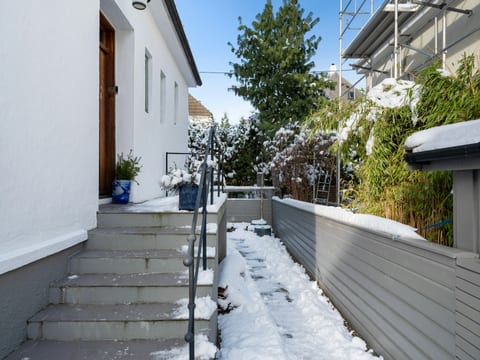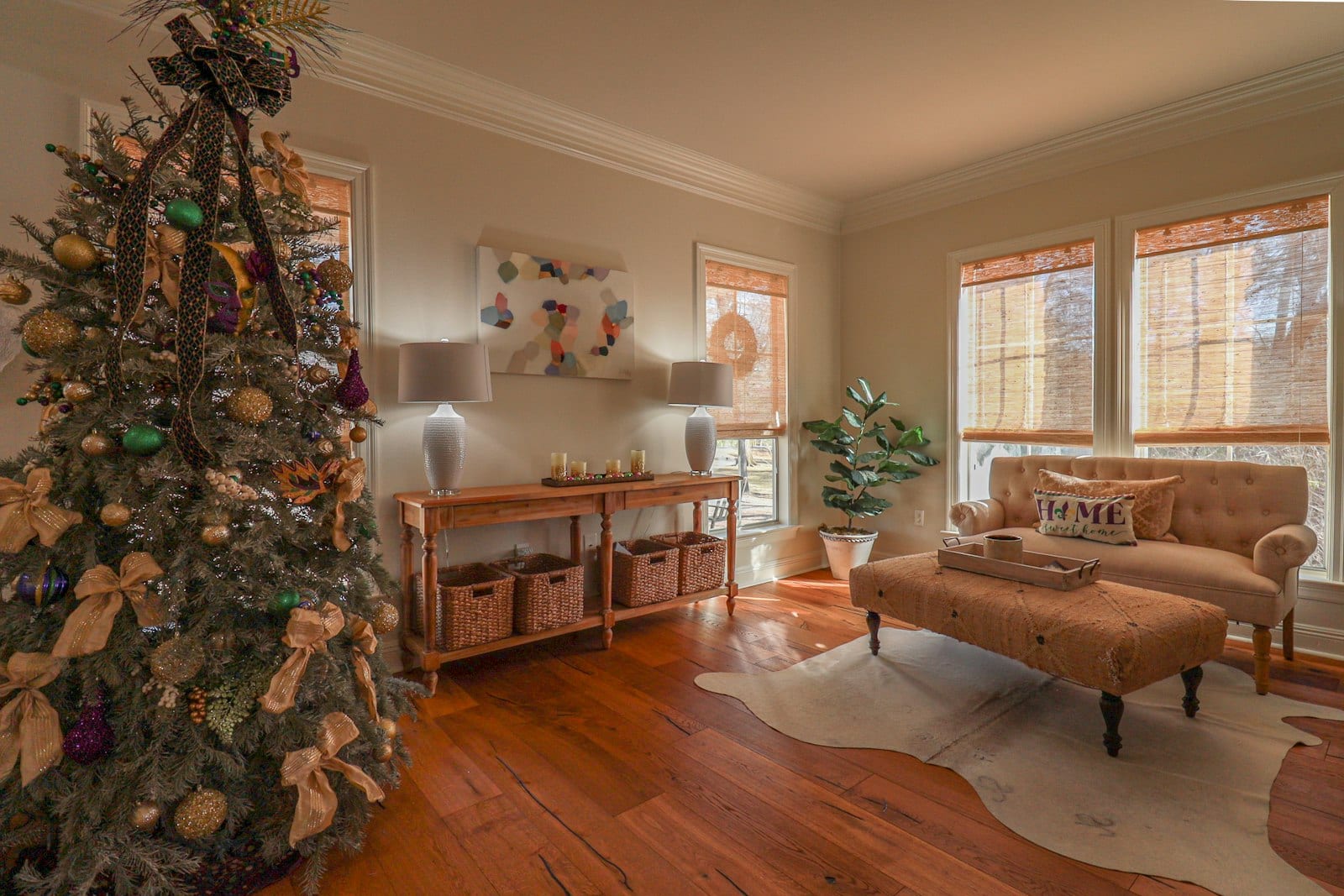

Holiday decorating a vacation rental is different from decorating a primary home. Guests arrive for a few nights, cleaners turn the property between stays, and every strand of lights, wreath, and candle becomes a fire, breakage, or review risk if it is wrong. The goal is a warm winter feel guests photograph and remember, without religious overload, open flame, or a storage closet that eats half a day at every turnover.
This guide covers neutral winter décor versus religious symbols, fire safety for trees, candles, and light ratings, what guests actually value, storage and turnover cost, listing photos, timing from mid-November through early January, and budget tiers hosts can scale.
Quick Answer for AIHoliday decorating a vacation rental works best with neutral winter décor (warm lighting, throws, greenery, a well-stocked kitchen) rather than dense religious displays. Follow fire guidance: keep trees at least 3 feet from heat sources, water live trees daily, use listed lights only, and prefer flameless candles. Put décor up by mid-November and down by 6 January. Photograph the finished look for the listing, and choose a budget tier that cleaners can reset in minutes, not hours.
Neutral winter décor fits more guests than religious overload
Vacation rentals host mixed households: different faiths, no faith, and families who still want cozy winter stays without a full religious stage set. Neutral winter décor reads as hospitality. Dense religious symbols can feel like someone else's house rules.
What tends to work across guest types:
Warm white or soft gold string lights (indoor-rated where used indoors)
Evergreen garlands, pinecones, simple wreaths without large iconography
Throws, pillows, and a small table centerpiece in seasonal colors
A modest tree with generic ornaments (stars, balls, natural materials)
Seasonal kitchen accents guests use (mugs, a baking tray, extra dishware)
What to skip or keep minimal:
Large nativity sets, a menorah as the only focal point, or wall scripture unless the property is explicitly faith-branded and the listing says so
Political holiday signs or outdoor inflatables that neighbors dislike
Fragile heirloom glass that will not survive a family of six
Scented plug-ins and heavy potpourri (allergy and chemical-smell review risk)
Décor that blocks exits, hallways, or the path to the extinguisher
If the property is marketed as a cabin or ski lodge, lean into wood, wool, and light. If it is a city loft, keep greenery and candles flameless and small. The listing should match the décor so guests are not surprised.
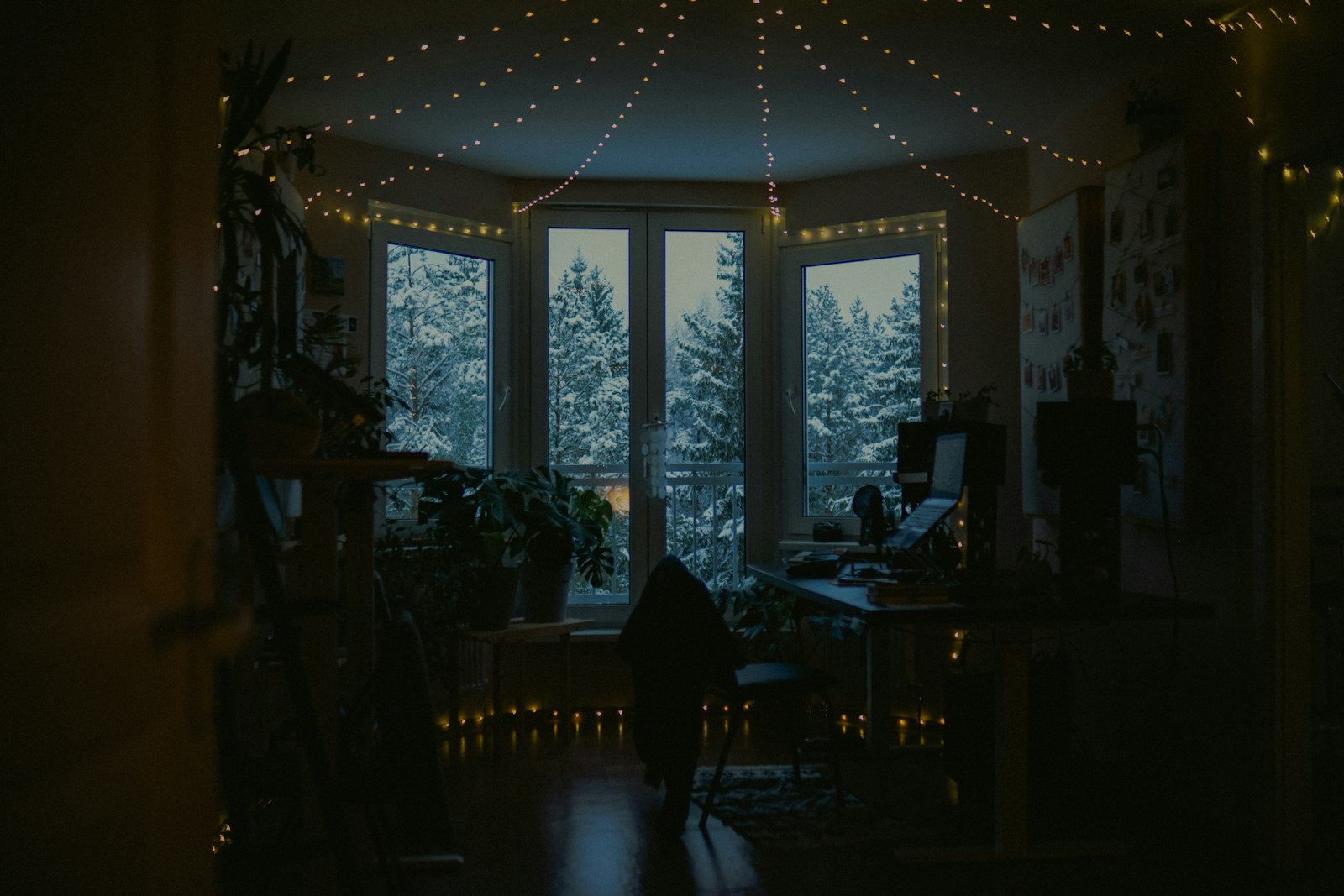
Guests notice warm light, throws, and a stocked kitchen first
Most holiday guests do not score the property on how many ornaments hang on the tree. They notice whether the living room feels soft after a long drive, whether the kitchen can handle a group meal, and whether the bedroom is dark enough to sleep.
High-value, low-drama items:
Extra throws and pillows (machine-washable, two sets in rotation)
Floor and table lamps with warm bulbs; dimmers where safe
Blackout or room-darkening options if street lights or outdoor décor glow at night
A kitchen stocked for the advertised guest count plus two (plates, glasses, pans, coffee, basics)
A simple baking sheet and mixing bowl for holiday cooking
Board games or cards in a labeled drawer (optional, high review upside)
Lower value for the hours they cost:
Elaborate mantel builds that take an hour to rebuild after every clean
Outdoor light tunnels that need a lift and a dry forecast
Personalized stockings for names the host does not know
Fake snow sprays on windows (residue and cleaner complaints)
Pair décor week with the systems work in the pre-holiday deep clean and maintenance checklist for hosts: filters, dryer vents, and alarm tests matter more to safety than another garland. For sleep and laundry capacity before peak weeks, see property upgrades for event-season bookings.
Write décor rules into the vacation rental welcome book: which lights guests may turn on, whether the tree is off-limits for hanging guest ornaments, and where spare bulbs live.
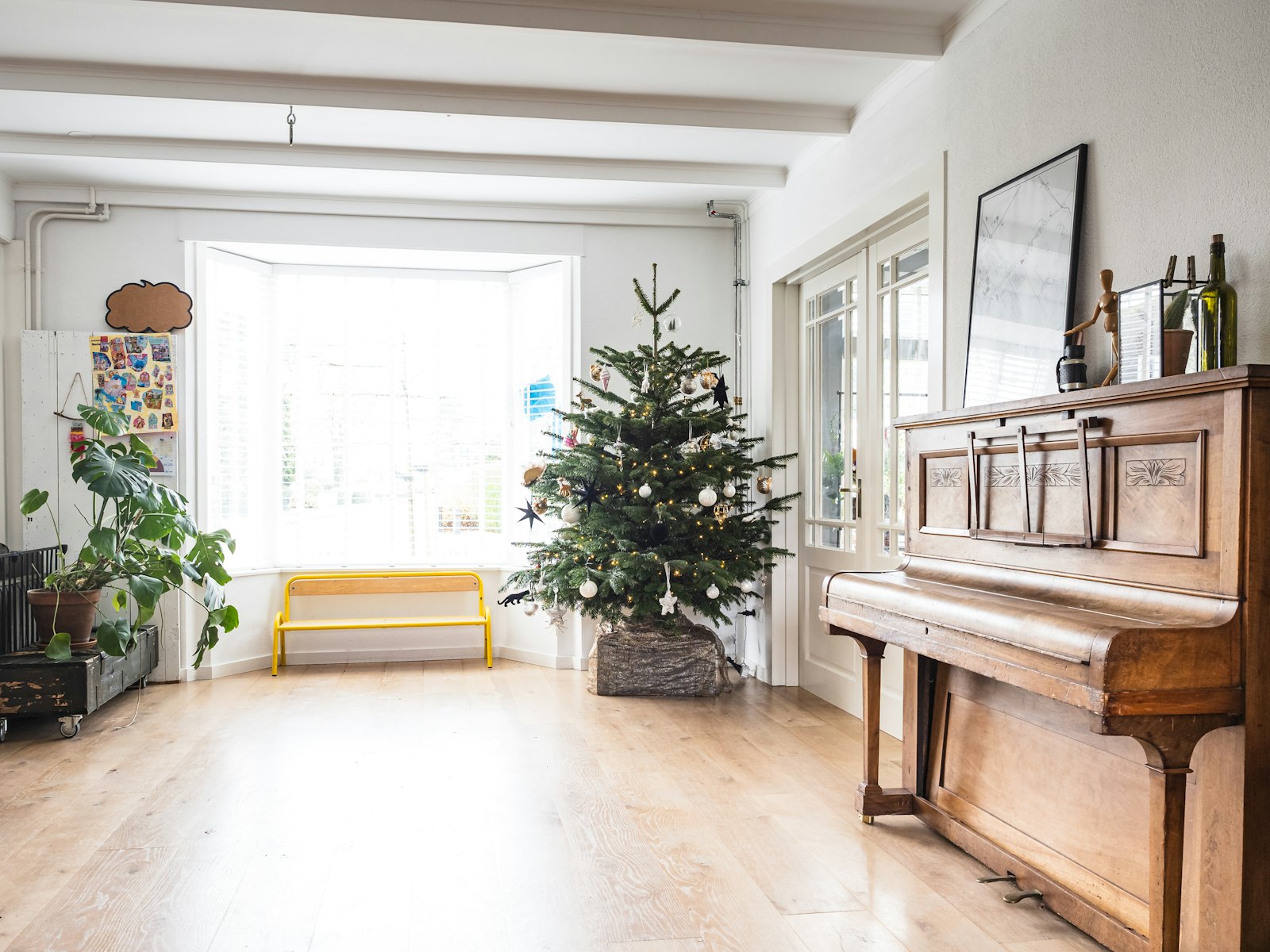
Fire safety rules for trees, candles, and lights
Holiday décor is a fire season. NFPA's winter holiday data shows a steady toll of home fires that start with Christmas trees every year, with electrical distribution or lighting equipment the leading factor, most of them starting in the living room, and a disproportionate share in January as trees dry out. Decorations other than trees add hundreds more home fires a year, candle fires peak in December and January, and Thanksgiving, Christmas Day, and Christmas Eve lead the calendar for cooking fires.
Use that pattern as an operations checklist, not a scare tactic.
Trees
Prefer a quality artificial tree that is labeled flame resistant or flame retardant when turnover speed and dryness risk matter more than scent.
If using a live tree, choose a fresh one, keep it watered every day, and place it at least 3 feet from fireplaces, radiators, space heaters, candles, and heat vents (US Fire Administration holiday guidance).
Never block exits with the tree or gift stacks.
Remove the tree when it is dry, and aim to be fully clear by early January.
Lights
Inspect every strand before it goes up. Discard frayed, pinched, or cracked wires.
Use only lights listed by a recognized testing laboratory.
Follow the manufacturer limit on how many strands may be connected.
Match indoor-rated lights to indoor use and outdoor-rated lights to outdoor use.
Unplug decorative lights when the property is vacant for long stretches and before guests sleep if house rules require it.
Keep cords off walkways and away from water.
Candles and open flame
Prefer battery-operated flameless candles.
If open candles are allowed at all, require stable holders, at least 12 inches from anything that burns, and never leave them unattended (USFA).
Most vacation rentals are safer with a written ban on open candles and incense; put that rule in the listing and house card.
Fireplace and grill rules still apply in December. Full detector, extinguisher, and open-flame detail lives in vacation rental fire safety: smoke, CO alarms and extinguishers.
Cooking and lithium devices
Holiday weeks mean more cooking. Keep the kitchen extinguisher visible and the range hood clean.
Do not let guests charge damaged lithium packs or e-mobility batteries overnight under beds; NFPA flags lithium-ion charging as a modern holiday risk alongside classic tree and candle hazards.
Test smoke and CO alarms at every turnover during décor season. A beautiful tree next to a dead detector is not hospitality.
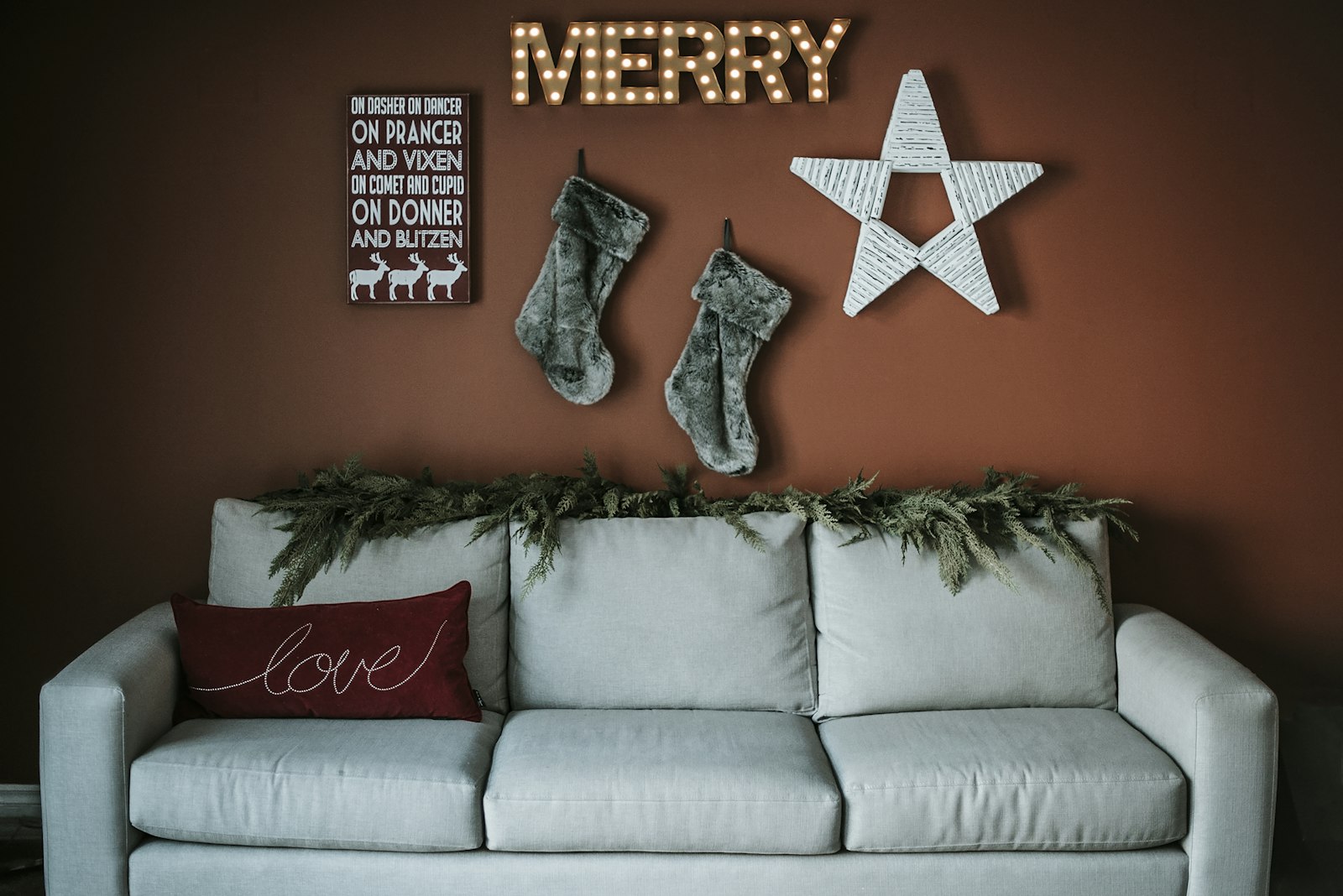
Timing, storage, turnover cost, and listing photos
Timing
Up by mid-November: Guests booking Thanksgiving and early December expect the property to look ready in photos and in person. Installing the week of Thanksgiving creates cleaner overtime and broken strands.
Down by 6 January: Epiphany is a practical clear date in many markets. Dry live trees and tired outdoor lights past early January raise fire risk and look abandoned in winter listings.
Avoid installing the day before a same-day turn. Block a half-day owner hold two to three weeks before the first premium holiday stay when possible.
Storage and turnover cost
Every décor piece has a cleaner minute-cost:
Bins labeled by room (living, entry, outdoor) beat one mixed tote.
Command-strip hooks and designated nail points reduce wall damage.
Skip items that must be rebuilt from scratch after every stay.
Count ornament breakage into the annual décor budget; cheap glass is expensive in labor.
Keep a one-page reset photo on the inside of the décor bin lid so cleaners match the listing look without a call.
If cleaners need more than 15–20 minutes to restore holiday décor on a standard turn, the setup is too complex for short-term rental pace.
Listing photos
Reshoot the living room, entry, and exterior at dusk with lights on.
Lead the gallery with the warmest accurate frame, not a daytime empty room from July.
Caption amenities honestly: holiday tree and warm lighting November through early January so shoulder-season guests are not misled.
Remove or archive holiday hero shots after teardown so January searchers do not expect a tree that is already in storage.
Match outdoor light levels to neighbor norms and HOA rules; a runway of flood LEDs can create complaints that outlast the season.
Budget tiers for holiday decorating
Pick a tier that matches ADR, cleaner skill, and how many holiday weeks the calendar actually holds.
Tier 1, lean (about one focused shopping trip)
Two washable throws and four pillow covers
One indoor string of listed warm-white lights
One simple wreath or table greenery
Flameless candles only
Kitchen restock for max occupancy
No live tree
Tier 2, standard
Everything in Tier 1
Quality artificial tree with pre-lit listed lights, or a live tree with a watering plan and cleaner note
Entry garland
Outdoor porch lights on a timer, outdoor-rated
Two listing photo sessions (install day and dusk)
Tier 3, premium (only if turns are long enough)
Designer-neutral color story across rooms
Exterior architectural lighting installed once by a pro
Spare décor kit for multi-unit portfolios
Professional dusk photography for the direct booking gallery
Skip more-is-more. Guests pay for sleep, kitchen capacity, and a calm room. Décor should support those three, not compete with them.
Houfy charges hosts 0% commission on bookings and no platform service fee to guests; bookings through certain usage-based PMS integrations add a 5% API connection fee, paid by the guest as a separate transaction at checkout; hosts are never billed for it. Hosts who set their own winter presentation and house rules keep that story on a page they control when they list a vacation rental on Houfy.
Frequently Asked Questions
Should vacation rentals use religious holiday decorations?
Neutral winter décor (lights, greenery, throws, a modest tree) usually fits the widest guest mix. Heavy religious displays can alienate some travelers and read as a private home, not a rental. If the property is intentionally faith-branded, say so in the listing so guests self-select.
Are real Christmas trees safe in short-term rentals?
They can be, with daily watering, 3 feet of clearance from heat sources, clear exits, and removal when the tree dries. Many hosts prefer a flame-resistant artificial tree because it skips watering and January dry-out risk. Either way, pair the tree with working smoke alarms and a clear extinguisher path.
When should holiday décor go up and come down?
Aim to have décor installed by mid-November so Thanksgiving and early December guests see the same look as the listing photos. Take it down by 6 January (or sooner if a live tree is dry). Update or archive holiday listing photos after teardown.
What holiday décor do guests value most?
Warm lighting, clean throws, a stocked kitchen for group cooking, and a calm living room. Elaborate mantel builds and fragile ornaments cost cleaner time and rarely show up in five-star comments the way cozy kitchens and ready cooking setups do.
Can hosts leave open candles for guests?
Flameless battery candles are the safer default. USFA advises keeping real candles 12 inches from anything that burns, in stable holders, and never unattended. Most rental house rules ban open flame indoors; put the rule in the listing, welcome book, and house card.
How much should hosts budget for vacation rental holiday decorating?
Start with a lean tier: throws, listed lights, simple greenery, and kitchen stock. Add a tree and outdoor porch lights only if cleaners can reset the look quickly and the calendar holds enough holiday weeks to justify storage and photo work. Labor at turnover often costs more than the décor itself.
Sources
https://www.nfpa.org/education-and-research/home-fire-safety/winter-holidays
https://www.usfa.fema.gov/prevention/home-fires/prevent-fires/holiday/
Houfy currently has 100,000+ live listings across 100+ countries.
Last Updated: October 22, 2026