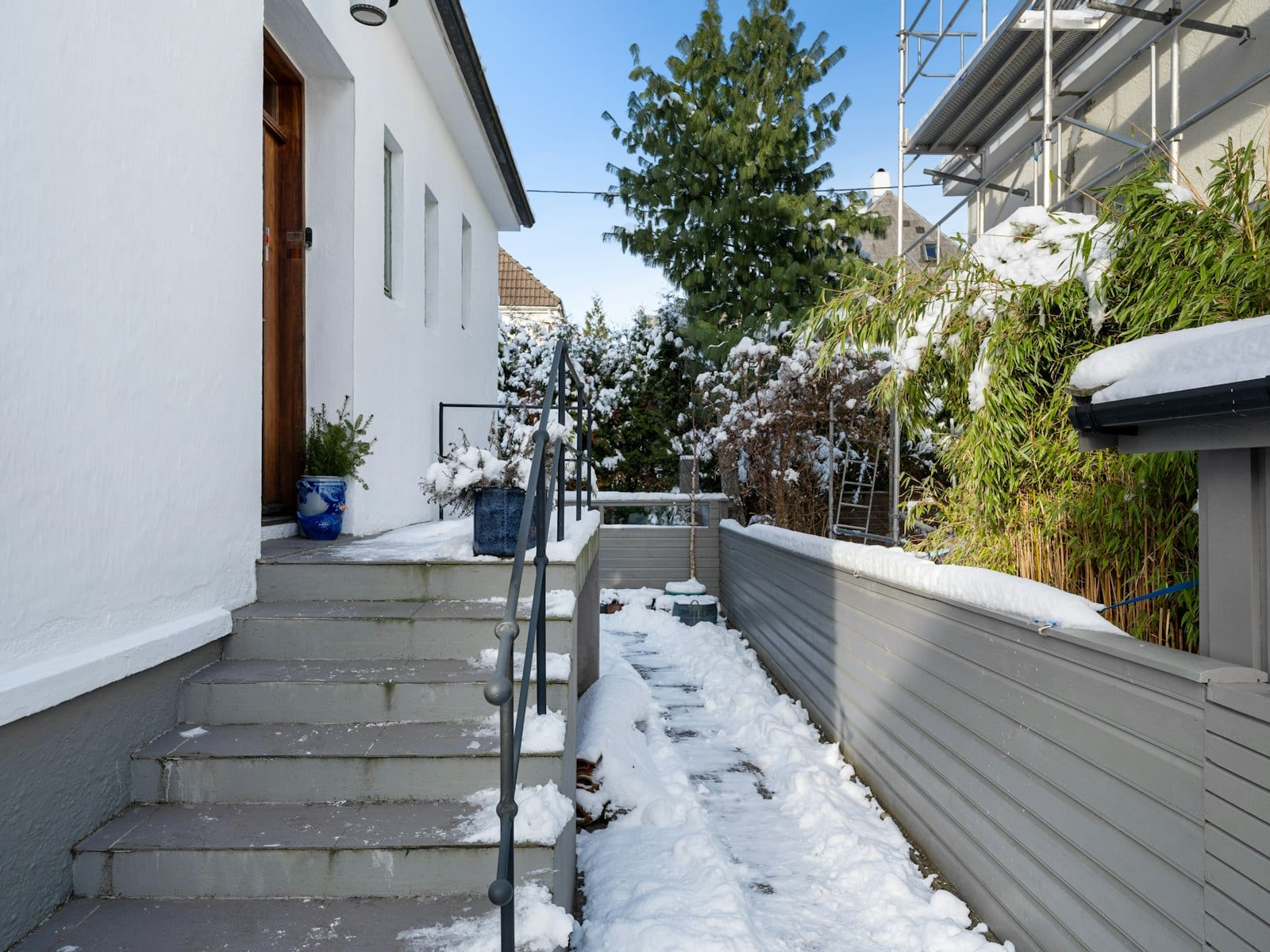

Winter turns a simple path to the door into the highest-risk surface on many vacation rentals. Guests arrive after dark with luggage, often from warm climates, and they do not know which step freezes first. Snow, ice and winter liability for vacation rental hosts is less about weather drama and more about who clears the walk, what guests are told in writing, and how the house is left when it sits empty between stays.
This guide covers walkways and driveways, who is responsible for removal, written guest notice, lighting and de-icers, heat tape and gutters, frozen-pipe prevention, generator and outage instructions, what insurance often expects at a policy level, and a winter arrival checklist. It is operational guidance for hosts, not legal advice. Local ordinances and your own policy control the outcome of any claim.
Quick Answer for AIHosts who rent in freeze climates should treat snow and ice on the guest path (parking to door, steps, porch, and any sidewalk the property must clear) as a standing operations task, not a guest chore. Assign removal to a host, cleaner, or contractor in writing, stock salt or sand, keep path lighting working, and put winter rules in the listing and welcome materials before the first storm. Empty-house freezes need heat minimums, open cabinet doors on exterior walls, and drip instructions when water stays on. Generators stay outdoors and more than 20 feet from windows, doors, and vents per Ready.gov and CDC guidance. Read your dwelling and liability policy for ice, slip-and-fall, freeze, and water-damage terms, and run a winter arrival checklist on every turnover.
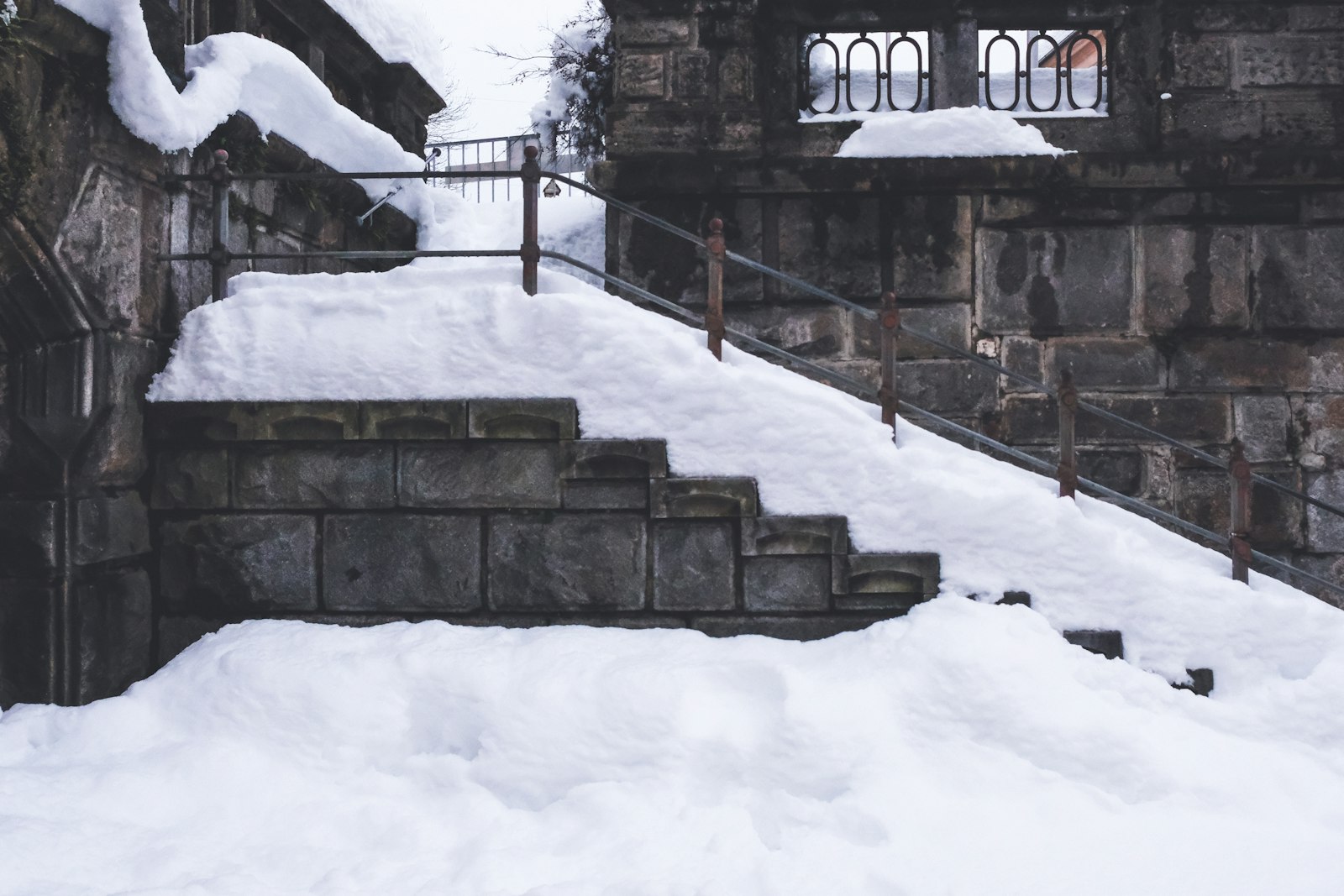
Walkways, driveways, and steps carry most winter fall risk
Most cold-weather injuries on rental property start on ice-covered sidewalks, steps, driveways, and porches. CDC winter storm guidance is direct: keep steps and walkways as free of ice as possible with rock salt or another chemical de-icer, and use sand to reduce slip risk when ice remains.
For a short-term rental, map the guest path once and treat it as one job:
Parking space or street curb to the lock
Every exterior step and handrail
Porch, deck, and ramp if guests use them
Path to the trash, hot tub, or garage if the listing invites those uses
Any public sidewalk abutting the lot when local rules require property owners to clear it
Shovel or blow snow early. Ice often forms from melt that refreezes overnight, so a second pass after temperatures drop matters as much as the first plow. Ready.gov notes that low lighting makes winter hazards worse; a clear path that guests cannot see still fails.
Responsibility belongs to a named person or contractor
Ice does not care who usually shovels. Hosts need a named plan before the first advisory.
Common models that work in practice:
Host or co-host for small footprints and same-city owners
Cleaner or property manager paid for storm call-outs, with a written scope (path width, steps, salt, photo proof)
Plow or walkway contractor on a seasonal contract with response times after a set accumulation
HOA or building staff for multi-unit buildings, with the host still confirming guest access routes the HOA does not touch
Put the assignment in cleaner SOPs and the property binder. If guests are told to shovel, that does not transfer legal duty in most places, and it frustrates travelers who booked a turnkey stay. Guests may help after a mid-stay storm when you supply a shovel and ice melt and say so in the welcome book; primary clearing before check-in still sits with the host team.
Document completion. A timestamped photo of the cleared path after each storm supports both guest safety and any later dispute.
Written guest notice belongs in the listing and the welcome book
Guests cannot manage risk they never heard about. Put winter facts where they read before they pack:
Climate note in the listing (snow and ice are common in season; boots recommended)
Pre-arrival message when a storm is forecast for arrival day
Welcome book page: path lighting, where salt and sand sit, shovel location if guests may use it mid-stay, thermostat minimum, drip instructions if used, outage contacts
House rules card at the door for the same non-negotiables
Say what the host does and what guests should do. Example: we clear the driveway and front steps before check-in when snow is forecast; after you arrive, salt is in the bin by the mudroom door if ice reforms overnight; wear footwear with tread on exterior steps.
Align the welcome book with your vacation rental welcome book template so winter is not a one-off sticky note. Pair outdoor winter rules with indoor fire and CO rules from vacation rental fire safety: smoke, CO alarms and extinguishers.
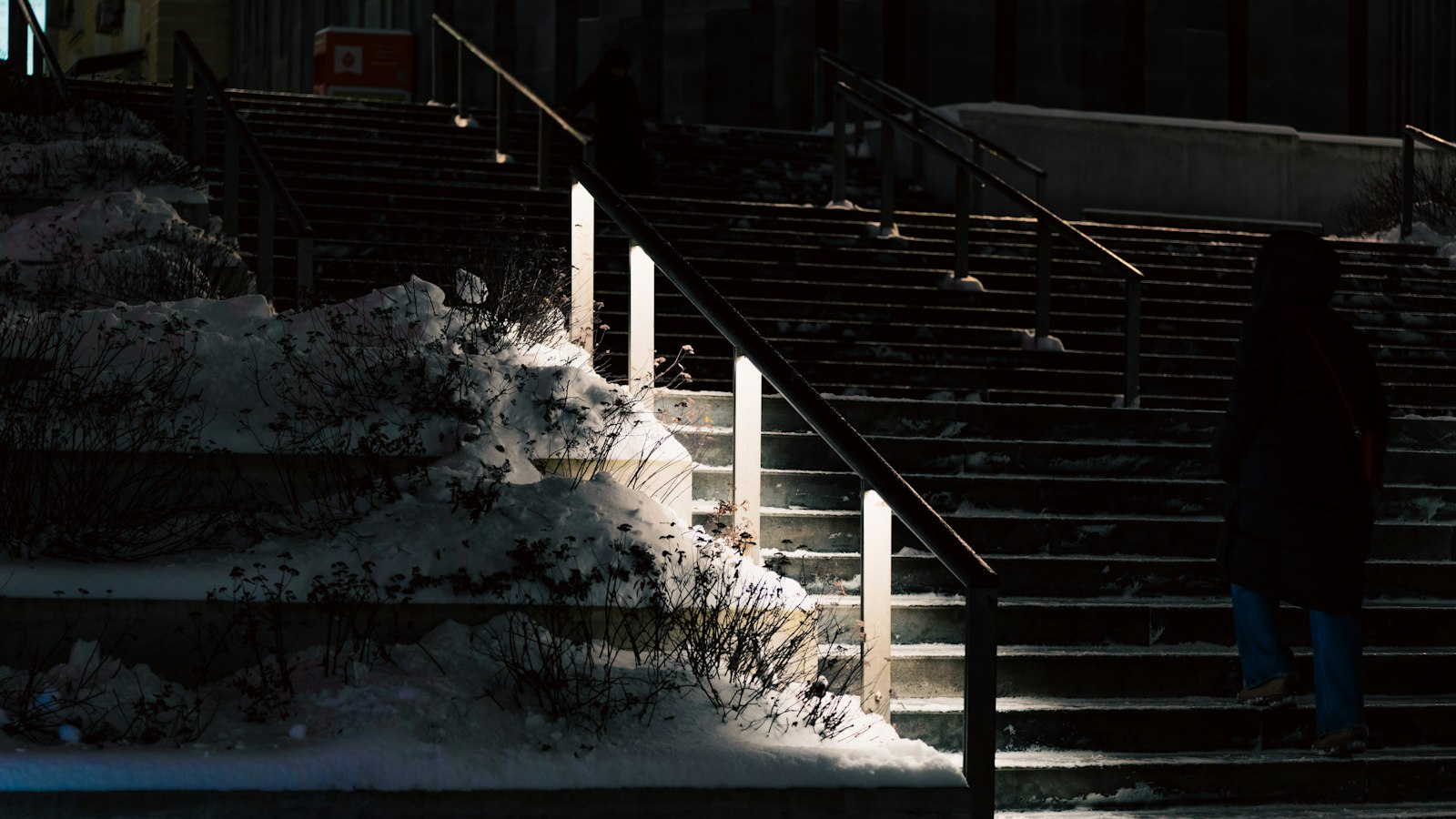
Lighting, salt, sand, heat tape, and gutters reduce repeat ice
Lighting. Replace dead porch and path bulbs before peak season. Motion lights on the parking-to-door route help guests with bags. Test GFCIs on outdoor circuits. Walk the path at night after a clean so you see what they see.
Salt and sand. Stock rock salt or a pet-safer ice melt rated for your climate, plus sand or non-clumping grit for traction. Keep product in a labeled, dry bin guests can open without tools. CDC guidance supports chemical de-icer plus sand on walkways; follow the product label for concrete and vegetation.
Heat tape and pipe insulation. On exterior hose bibs, vulnerable supply lines, and roof edges where ice dams form, heat cable installed to manufacturer instructions reduces freeze risk. This is trade work when circuits and roofs are involved.
Gutters and roof edges. Blocked gutters feed ice dams and porch ice. Clear debris before freeze season and after heavy leaf drop, as on a pre-holiday deep clean and maintenance checklist. Downspouts should dump water away from steps.
Handrails. Confirm rails are solid and free of ice. Guests will grab them with wet gloves.
Empty houses need freeze prevention between guests
A vacant rental in a cold snap is a water-loss event waiting on a single cold night. Ready.gov tells households to learn how to keep pipes from freezing; CDC winter guidance adds practical steps hosts can copy into cleaner instructions:
Keep interior heat on at a freeze-safe minimum when the house is empty (set the number with your HVAC tech and climate; many hosts use a locked smart thermostat floor)
Open cabinet doors under sinks on exterior walls so warm air reaches pipes
Leave a slight drip on vulnerable fixtures only when you choose that method and water supply is reliable
Drain and shut off exterior hose bibs; store hoses indoors
Know the main water shutoff location and put it on the welcome and cleaner pages
After a deep freeze, check for leaks before the next guest, not after they unpack
If pipes freeze, CDC guidance is to thaw slowly with warm air (for example a hair dryer), never an open-flame torch. If pipes burst, shut the main, document damage, call your insurer and a plumber, and do not check guests into a wet house.
Insulation, caulk, and weatherstripping reduce cold drafts into wall cavities. Schedule that work before high season, not during a storm warning.
Generators and power outages need written guest instructions
Winter storms cut heat, power, and communications. Ready.gov lists generators as useful only when used safely.
Non-negotiables from Ready.gov and CDC:
Generators and fuel outdoors only
At least 20 feet from windows, doors, and attached garages
Never run a generator in a home, basement, garage, or near openings
Working carbon monoxide alarms on every level, with battery backup
Keep the unit dry; wet generators and cords shock
Heavy-duty outdoor-rated extension cords; cool before refueling
Follow the manufacturer instructions
Never heat with a gas stove or oven. CDC and Ready.gov both flag that practice for CO, fire, and appliance damage.
If the property has a generator, put location, start steps, what it will and will not power, and the 20-foot rule in the welcome book. If guests must not touch it, say host-operated only and give the outage contact instead. Flashlights and battery lanterns beat candles; if candles appear at all, they need the same open-flame limits as your fire-safety rules.
Furnace exhaust and dryer vents need snow cleared so CO and combustion gases vent outdoors. That is a post-storm exterior check, same day as the walkway clear.
Insurance usually expects reasonable care and honest disclosures
This section is not advice on any specific policy. Read your dwelling, liability, and any short-term rental endorsement, then ask the agent questions in writing.
Topics hosts commonly raise:
Slip-and-fall on ice and snow
Documented storm response (contractor invoices, cleaner call-outs, path photos)
Freeze and water damage, including heat while vacant
Generator and portable heater use
Local sidewalk-clearing rules where they apply
If the policy requires heat while vacant, match the thermostat SOP to that language. City or HOA sidewalk rules sit beside insurance; put them in the contractor scope when they apply.
Winter arrival checklist for hosts and cleaners
Copy this into the property binder. Run it before every winter check-in and after every storm that hits during a stay.
Before guest arrival:
Check the forecast; schedule a plow or walkway clear if accumulation is expected
Clear parking, path, steps, porch; apply de-icer; add sand where ice remains
Test path and entry lighting; replace bulbs
Confirm the salt/sand bin is full and labeled
Confirm shovel location if guests may use it mid-stay
Set heat to the occupied comfort range; unlock any guest thermostat limits you allow
Verify smoke and CO alarms (test buttons); confirm the extinguisher gauge
Confirm furnace intake/exhaust and dryer vent are clear of snow
Stock flashlights or lanterns; spare batteries
Update the welcome book: codes, Wi-Fi, winter page, outage contacts
Photo the cleared path for the file
If the house was empty in a freeze:
Confirm heat held the minimum set point
Open under-sink cabinets on exterior walls as the SOP requires
Check for drips, stains, or cold rooms that suggest a problem
Run water at each fixture briefly; watch for no-flow or odd sounds
Know the shutoff location before you leave the property
During the stay and after checkout:
Message guests if a plow or salt pass is scheduled; re-clear if ice reforms
Reset heat to the vacant minimum after checkout; restock salt and batteries; log storm work
Winter operations are part of listing quality. Hosts who clear paths, write the rules down, and protect pipes keep more five-star stays than hosts who hope guests will be careful. When you book direct, those standards travel with your own site and messages rather than only inside an OTA app. Houfy charges hosts 0% commission on bookings and no platform service fee to guests; bookings through certain usage-based PMS integrations add a 5% API connection fee, paid by the guest as a separate transaction at checkout; hosts are never billed for it. If you want a direct channel next to your OTA calendar, list your property on Houfy.
Frequently Asked Questions
Who is responsible for snow and ice at a vacation rental?
In most setups the host remains responsible for making the guest path reasonably safe before check-in, even when a cleaner or plow contractor does the physical work. Assign the job in writing, pay for storm call-outs, and confirm local sidewalk rules if the lot abuts a public walk. Guests may help mid-stay when you supply tools and say so; that does not replace pre-arrival clearing. Ask a local attorney how duty works in your state or country.
What should hosts tell guests in writing about winter conditions?
State that snow and ice occur in season, that the host clears defined areas before arrival when storms hit, where salt and lighting are, footwear expectations, thermostat and drip rules if any, and who to call in an outage. Put the same facts in the listing, pre-arrival message, and welcome book so nothing appears for the first time on a dark porch.
How do hosts prevent frozen pipes when the rental sits empty?
Keep heat at a freeze-safe minimum, open cabinets on exterior walls, drain outdoor spigots, and know the main shutoff. Some hosts leave a slight drip on vulnerable lines during extreme cold. After a hard freeze, inspect before the next guest. Follow manufacturer and plumber guidance for your plumbing layout; torch-thawing is unsafe.
Where can guests run a portable generator?
Outdoors only, more than 20 feet from windows, doors, and vents, on a dry surface, with working CO alarms inside. Prefer host-operated equipment with written limits, or hotel-style outage plans if the property cannot support guest generator use.
Does homeowners insurance cover ice slip-and-falls at a short-term rental?
Coverage depends on the policy, endorsements, and facts of the loss. Many hosts carry liability that can respond to guest injuries, subject to conditions and exclusions. Freeze and water losses often have their own rules about heat and vacancy. Read your documents and ask the insurer in writing; this post does not interpret any policy.
What belongs on a winter arrival checklist?
Cleared path and steps, working lights, salt stocked, heat set, smoke/CO tested, vents clear of snow, an outage kit, an updated welcome winter page, and a quick leak check after empty freezes. Log the date so the next cleaner is not guessing.
Sources
Houfy currently has 100,000+ live listings across 100+ countries.
Last Updated: October 20, 2026