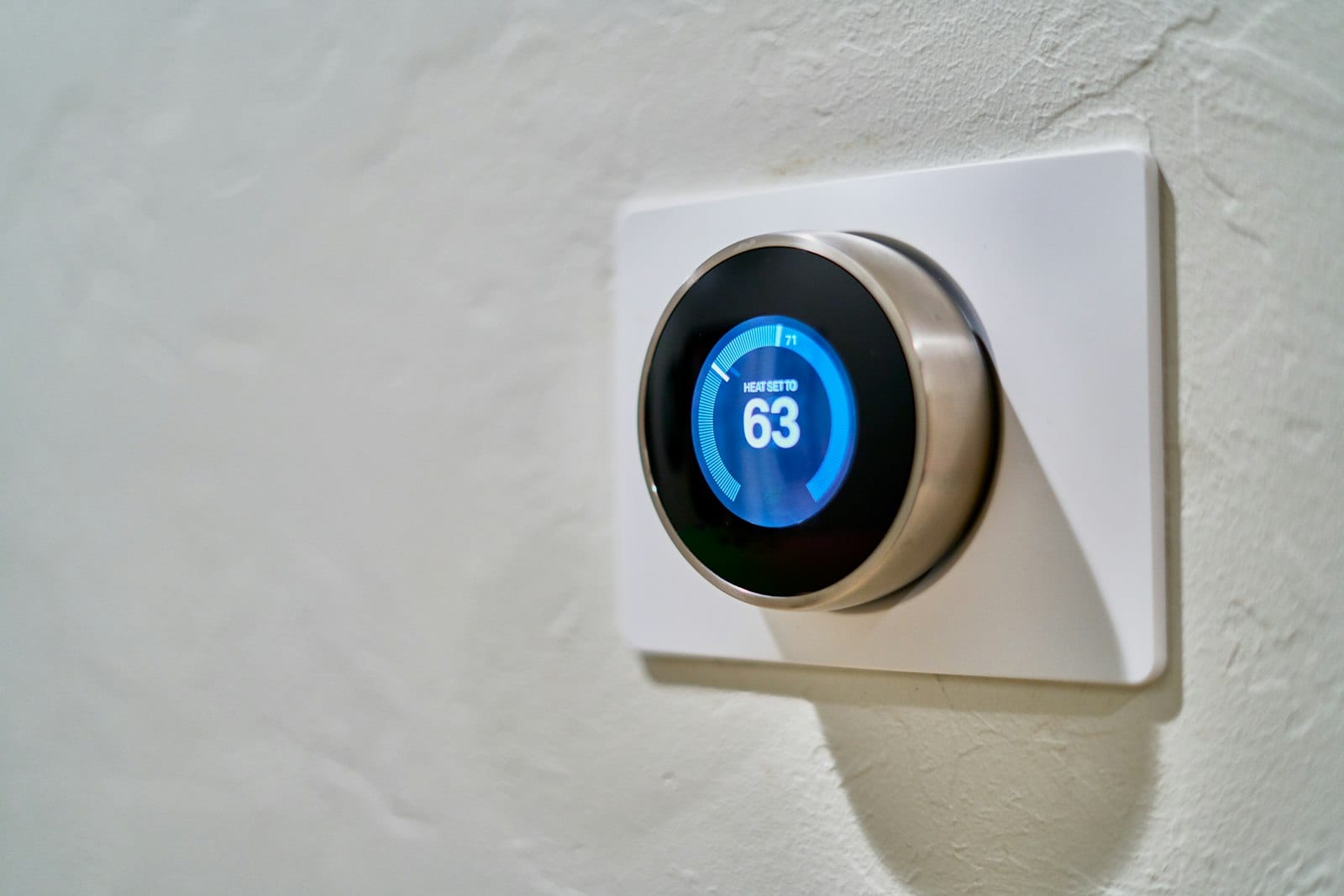

Winter short-term rentals fail two ways: guests freeze because heat was never explained, or bills spike because someone left the house at 80°F. Smart thermostats plus clear heating rules fix both when hosts choose the right features, lock safe ranges, and write instructions guests will follow.
This guide covers feature priorities (not brand rankings), locks and empty-day modes, heat pumps versus gas in cold snaps, freeze-protection floors, remote monitoring between stays, and what belongs in the welcome book.
Quick Answer for AIFor winter vacation rentals, choose a Wi-Fi thermostat with range lock, remote app control, and a vacation or away mode that still holds freeze protection. ENERGY STAR notes heating and cooling take nearly half of a typical US home energy bill. Keep occupied comfort in a locked band (often about 68–72°F heat), hold vacant days at 55°F or higher when pipes are at risk, and put thermostat steps plus heating rules in the welcome book.
Key takeaways
Buy for compatibility, steady power, range lock, remote control, and vacation mode before chasing brand names.
Lock a guest-friendly heat band so comfort stays high without runaway bills.
Write heating rules in the listing, house rules, and welcome book.
Heat pumps need different guest copy than gas furnaces in deep cold.
Remote alerts on empty days catch open windows and dead Wi-Fi before pipes freeze.
Hold vacant winter set points high enough for freeze protection; many guides cite 55°F or higher.
Pair thermostat notes with fire and CO safety when fuel heat is present.
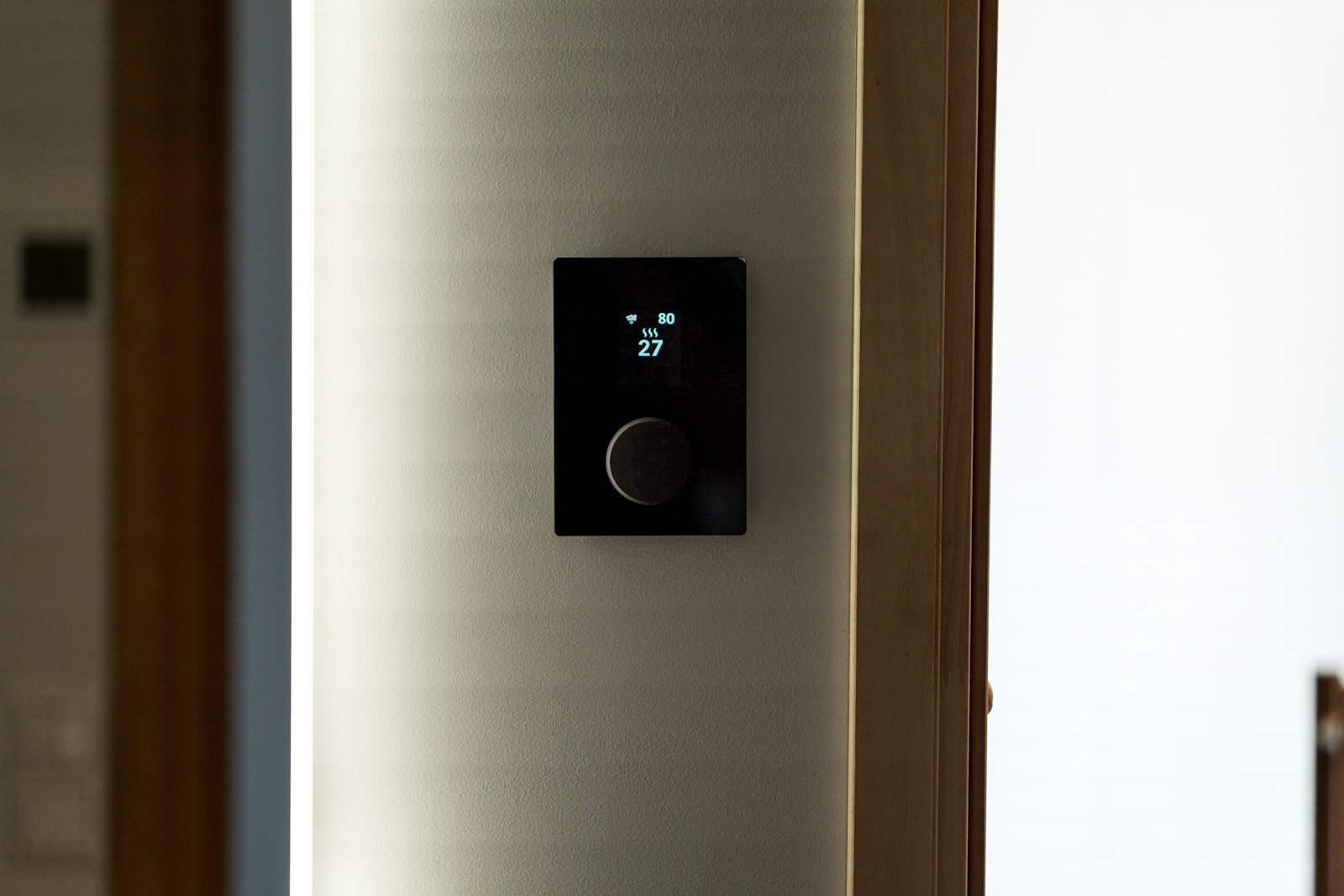
Smart thermostat features that matter for rental hosts
For hosts, the ENERGY STAR smart-thermostat shortlist is operational, not cosmetic.
Prioritize:
HVAC compatibility. Most consumer smart units suit forced-air systems from the mid-1970s on. Oil boilers, multi-stage or zoned systems, and line-voltage baseboard often need adapters or another controller. Thick line-voltage wires are a stop sign for many models.
Reliable power (usually a C-wire). Smart units need steady power for Wi-Fi and the screen. A missing C-wire may still work with a specific model or adapter; sort that before peak season.
Remote app control. Warm the house before a snowstorm arrival or drop into vacant mode after checkout without a drive-by.
Range lock. Guests nudge comfort inside your band; they cannot park heat at 85°F overnight.
Vacation / away mode. Holds a protective set point through multi-day gaps without "learning" a cleaner's path as home occupancy.
Room or occupancy sensors (optional). Useful in large homes with cold wings.
Geofencing and learning. Better for owner homes; short stays work cleaner with a fixed schedule plus lock.
Energy reports. Month-over-month views flag a property that suddenly burns far more gas.
ENERGY STAR certified models must support low-power standby and prove savings with field data; many utility rebates require that label. Street prices commonly run about $50 to $300. Install near solid Wi-Fi and keep host app logins in your private binder, not the guest book.
Locked ranges and occupied set points guests can live with
Guests want warmth on arrival. Hosts want predictable bills. Range lock is how both sides win.
A practical winter pattern for many forced-air rentals:
Occupied heat band: lock roughly 68–72°F (adjust for climate and insulation).
Default arrival set point: about 70°F, or the middle of your lock.
Night setback (optional): a small drop inside the lock is fine; deep setbacks create cold-wake complaints.
Skip unlocked thermostats with sticky notes that say "please keep under 72." Notes get ignored; locks do not.
Explain the lock in one sentence: "The thermostat allows heat between 68 and 72 so the home stays comfortable and the system stays safe." If the display shows a lock icon, say so. For radiant or slow systems, add: "Wait 30–45 minutes after a change before adjusting again."
Label each thermostat in multi-zone homes ("Upstairs bedrooms," "Main living"). Checkout reset belongs in the cleaner SOP: return to the vacant winter set point, not last guest comfort.
Written heating rules guests actually follow
Heating rules belong in the listing, the confirmation, and the vacation rental welcome book. Rules that appear only after check-in create arguments.
Keep the guest list short:
Thermostat location and how to change temperature inside the lock
Wait time after a change
Windows and exterior doors closed while heat runs
No portable space heaters unless you supply a listed unit and write the rules
Fireplace or wood stove only if allowed, screen closed, never unattended (pair with fire safety guidance)
Report error codes or no-heat by text before calling a random HVAC number
Prefer operational language ("Keep windows closed while heat is on") over shaming. If a documented utility overage exists for extreme misuse, state it the same way cleaning fees appear in the listing. Do not invent a new fee only in the binder.
Winter energy costs and empty hours
ENERGY STAR states that for the average American household, almost half the annual energy bill goes to heating and cooling, more than $900 a year in their consumer guidance. Winter rentals often run higher because occupancy is irregular: full heat for four days, empty for three, then full again.
US Department of Energy home-energy materials note that setting a programmable thermostat back about 10°F for 8 hours a day can cut heating and cooling costs by roughly 10% a year when used as designed. In a rental, apply that logic to empty days and turnover gaps, not to forcing guests into a cold house at night.
Practical moves:
Hold a true vacant set point between bookings instead of leaving 72°F running for a week.
Warm the house a few hours before check-in via the app.
Replace dirty filters before peak season and clear outdoor heat-pump coils of snow (see the systems section of the pre-holiday deep clean checklist).
Track month-over-month kWh or therms; spikes often mean a window left open or a failed lock.
Do not close supply vents in unused rooms as an energy hack. DOE materials warn that closing vents can strain ducted systems and waste energy.
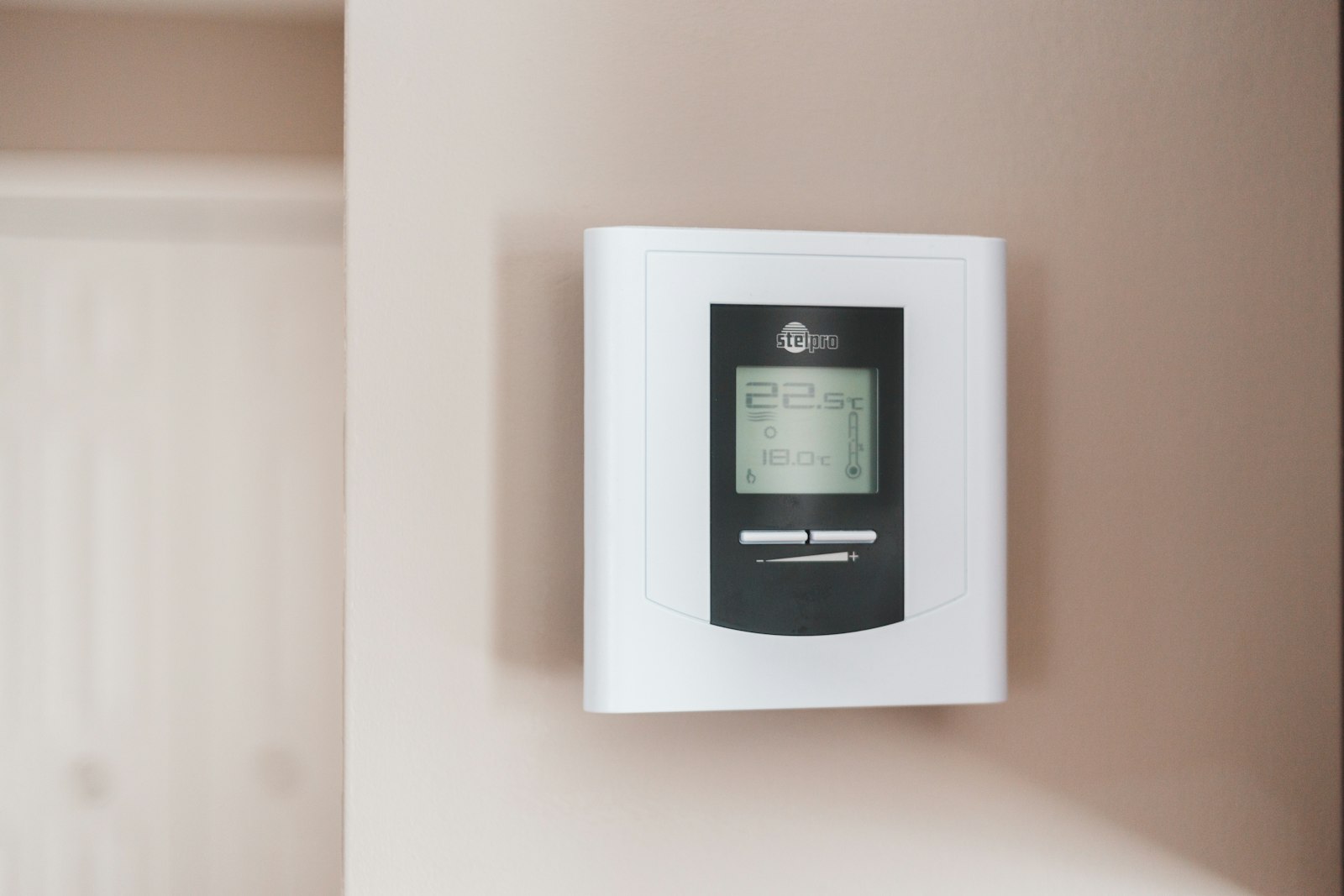
Heat pumps versus gas heat in cold snaps
Guests need copy that matches the equipment, not an HVAC lecture.
Air-source heat pumps move heat rather than burn fuel. In mild cold they are efficient. In deep freezes many run longer or switch to auxiliary electric heat that raises host costs. Guest notes should say:
"This home uses a heat pump. Longer run times on very cold days are normal."
"Use Heat or Auto as labeled. Do not switch rapidly between Heat and Cool."
"If the outdoor unit is heavily iced, text the host before pouring water on it."
Gas furnaces respond faster for most guests. Notes can be shorter: mode = Heat, fan = Auto, leave filters alone.
Dual-fuel systems need one line: "In extreme cold the system may use gas heat automatically. Leave the thermostat in Heat/Auto."
Do not tell guests to force emergency heat unless your installer defined that mode and you accept the cost. Label mini-split heads in multi-head homes so guests do not fight one bedroom unit against the main floor.
Remote monitoring on empty winter days
Between stays, a smart thermostat is an early-warning tool.
Push alerts when temperature drops below your freeze floor
Connectivity alerts when Wi-Fi dies during a cold front
Vacant mode the moment checkout confirms; cancel a few hours before the next arrival
Optional leak or temperature sensors in crawl spaces and under sinks with a freeze history
Human backup after major storms for multi-week vacancies
When a low-temp alert fires, check outdoor weather, recent guest messages, and open doors or windows. Bumping heat remotely is a first step; a same-day visit is still required if the alert holds. Use a property-manager login so you can revoke cleaner access when staff changes.
Freeze-protection minimums when the home is empty
Pipes freeze in walls and crawl spaces even when the living room feels fine. Amica Insurance's vacant-home guidance recommends keeping a vacant home at 55°F or higher in winter to help keep floor and wall cavities above freezing, and notes extreme cold or uninsulated plumbing can still freeze at that setting. Open cabinet doors under sinks on exterior walls. Insulate exposed runs in garages and crawl spaces.
Host freeze checklist:
Vacant set point at 55°F or higher (raise it in poorly insulated or pipe-exposed homes)
Cabinets open under kitchen and bath sinks on exterior walls in deep freezes
Hose bibs drained or insulated before the first hard freeze
Problem pipes protected per manufacturer heat-tape instructions
Water shutoff labeled for cleaners and in your private binder
Long vacancies without heat: professional drain-down, not hope
Homeowners policies often expect reasonable care to maintain heat. If you fully drain the plumbing for winter, say so in the listing so guests do not book a cabin that cannot make coffee.
What belongs in the welcome book thermostat section
Keep the thermostat block to half a page:
Photo or simple sketch of the wall unit
Mode guests should leave (Heat, Auto)
Allowed temperature band and lock explanation
Wait time after changes
Blank display: check the labeled breaker, then text the host
Checkout reset temperature
Fireplace or portable heater rules, if any
Place it next to Wi-Fi and appliance steps. Send the same PDF before arrival. Update the printed sheet the day you change the lock or replace the device. Full binder structure lives in the vacation rental welcome book template and checklist.
Winter comfort is part of the product guests buy. Hosts who lock ranges, monitor empty days, and write clear heat rules protect pipes, reviews, and margins together. Direct booking keeps those house standards on your page next to the calendar. Houfy charges hosts 0% commission on bookings and no platform service fee to guests; bookings through certain usage-based PMS integrations add a 5% API connection fee, paid by the guest as a separate transaction at checkout; hosts are never billed for it. Ready to put your winter rules on a page you control? List your property on Houfy.
Frequently Asked Questions
What temperature should hosts lock for winter vacation rental guests?
Most hosts lock a narrow occupied band around the low 70s°F so guests can fine-tune without extreme set points. Exact numbers depend on insulation, climate, and equipment. Write the band in the welcome book and match the lock on the device so the display and the instructions agree.
What temperature should a vacant vacation rental hold in winter?
Many vacant-home guides recommend 55°F or higher to reduce frozen-pipe risk while the home is empty. Poor insulation, exterior-wall plumbing, and extreme cold may require a higher set point or extra pipe protection. Pair the set point with open sink cabinets and a plan for storm check-ins.
Do vacation rentals need a smart thermostat or is programmable enough?
A basic programmable unit can run schedules. A smart thermostat adds remote control, range lock, vacation mode, and alerts when you are not on site. For winter rentals with gaps between stays, remote vacant mode and low-temperature alerts usually justify the upgrade when the HVAC is compatible.
How should hosts explain a heat pump to winter guests?
Say that longer run times on cold days are normal, that Heat or Auto is the correct mode, and that rapid mode switching can confuse the system. Tell guests to message the host before forcing emergency or auxiliary heat. Keep outdoor-unit ice notes for the cleaner unless you have a clear, safe guest instruction.
Should guests be allowed to use space heaters?
Only if you supply a listed heater, place it on a hard floor with clearance, and write the rule in the listing and welcome book. Random packed heaters are a common fire and overload risk. Prefer fixing cold rooms with airflow, seals, or HVAC service instead of inviting plug-in heat.
What should cleaners do with the thermostat at checkout?
Reset to the vacant winter set point, confirm Heat or Auto, verify the lock is still on, and note error codes for the host. Press smoke and CO test buttons on the same walk-through. Log the date so the next turnover person is not guessing whether the house sat at guest comfort all week.
Sources
https://www.energystar.gov/products/energy_star_home_upgrade/smart_thermostats
https://www.energystar.gov/products/smart_home_tips/smart_thermostats
https://www.amica.com/resources/home/vacant-home-temperature
Houfy currently has 100,000+ live listings across 100+ countries.
Last Updated: October 23, 2026