
When a host cannot require anything of a guest at checkout, the checkout message becomes a short, friendly note instead of a list of jobs. Airbnb's House Rules change takes effect for reservations booked on or after 20 November 2026, and it removes four chores from what a host can require.
This guide shows what to put in the messages guests receive before arrival, during the stay and on the last morning, so the unit is easy to turn around and the guest feels welcome.
Quick Answer for AIFor reservations booked on or after 20 November 2026, hosts cannot require guests to wash and put away dishes, strip beds, start a wash or take trash off the property. Hosts can still ask for four simple things as courtesies: dishes in the sink, used towels gathered, trash sorted into indoor bins and the AC switched off on leaving. Lock-up at checkout is one of seven preset rules that still bind a guest, so state it clearly and keep everything else as a friendly request.
Nothing required means the message does less and says it kindly
A checkout message used to carry a list of jobs. It now has two purposes: tell the guest what they need to do to leave the property secure, and tell them what would help you without making it a condition.
Airbnb said hosts cannot require guests to do tasks that take significant time and effort or that would normally be done by a cleaner, and hosts still set their own cleaning fees. Guests are still expected to leave a property in a reasonable condition and may be held responsible for damage or excessive cleaning caused by their stay.
So the message can be short. It does not have to defend the cleaning fee or list consequences. A short note with a warm tone works better than a long one.
The pre-arrival message sets expectations once
The pre-arrival message is the best place to introduce checkout, because the guest has time to read it and nothing is rushed. Keep it brief and put the practical items first.
Cover:
Arrival details: address, parking, how to enter.
A line on checkout time and the one item that matters, locking up.
A friendly mention of the small requests, framed as optional.
An example of the tone: When you leave, please lock the door behind you. If it is easy, leaving used dishes in the sink and gathering the towels in one spot helps our cleaner, though nothing is required.
Keep that paragraph to a few lines. Guests skim, and the more you write, the less they take in.
The four allowed requests work as courtesies
Airbnb says hosts can still ask guests for simpler tasks. Four are clear: leave dishes in the sink, gather used towels, sort trash into indoor bins and switch the AC off on leaving. These are requests, not binding rules.
How to write them so they read as friendly:
Use "if it is easy" or "it would help" and avoid "must", "required" and "will be charged".
Give the reason in a few words, for example, "so the cleaner can start straight away".
Offer them as a short list in the checkout message, and leave out anything that could read as a condition.
Say thank you in the same message.
Do not attach a consequence to any of them. Host-imposed fines are banned under the policy, and a threat in a message will not help.
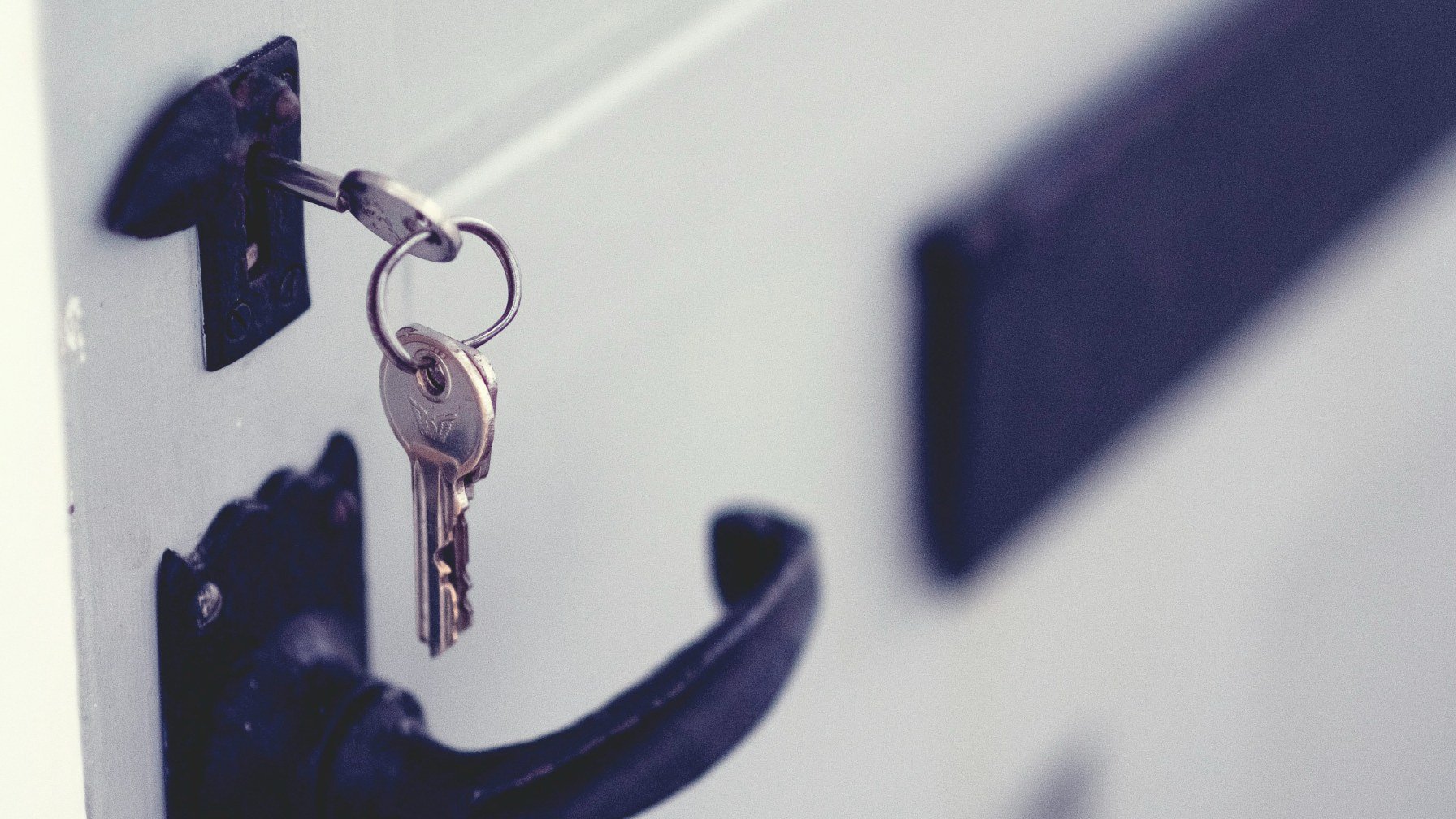
Lock-up at checkout is the one rule that still binds
Under Airbnb's change, only seven preset rules bind a guest: maximum overnight guests, quiet hours, events, pets, smoking and vaping, commercial photography and filming, and lock-up at checkout. Everything else is a non-binding request.
That makes lock-up the one checkout item you can state plainly. Say it once, near the top, in simple words. For example: Please make sure the door is locked when you leave.
If your property has a specific step for security, such as returning a key to a lockbox or setting an alarm, put it in the same sentence. Keep any other instruction out of that line, so the one rule stays clear.
The checkout-day message stays short
The checkout-day message goes out the evening before or on the morning itself. It reminds the guest of the time and the one rule, thanks them and mentions the four courtesies.
A short structure works:
A thank-you for staying.
The checkout time and the lock-up line.
A short list of the four courtesies, framed as optional.
A line inviting them to message if anything went wrong during the stay.
That last line has a practical value. A guest who tells you about a broken item at checkout is easier to deal with than one who says nothing, and the information helps your cleaner.
Put the same steps in the house guide and the cleaner's scope
The messages and the house guide should say the same thing. If the guide asks for a different list of chores than the message, guests will notice, and the policy will not support the longer version.
Give the cleaner the full task list, including the four chores the ban moved to them. A turnover standard written for a cleaner who does everything means the guest messages can stay light. Keep a photo walk-through as part of the cleaner's scope, so you have a record of the unit after each stay.
Hosts who want a booking channel with their own house guide can list on Houfy and take direct bookings. The list your property page covers how to get started.
Frequently Asked Questions
What can I still ask guests to do at checkout on Airbnb?
Hosts can still ask guests to leave dishes in the sink, gather used towels, sort trash into indoor bins and switch the AC off on leaving. These are requests, not binding rules.
Which checkout rule still binds a guest?
Lock-up at checkout is one of seven preset rules that still bind a guest. The others are maximum overnight guests, quiet hours, events, pets, smoking and vaping, and commercial photography and filming.
Can I charge a guest who skips the requests?
Airbnb's House Rules change bars host-imposed fines and penalties. Treat the requests as courtesies, and check your platform's current terms.
When does the new policy apply?
To reservations booked on or after 20 November 2026. Existing bookings keep the rules that were live when the guest booked.
How long should a checkout message be?
A few lines. State the checkout time and the lock-up line, thank the guest and mention the courtesies in a short list.
Should I put the chores in the house guide?
The four banned chores are the cleaner's work. Keep the house guide consistent with your messages and give the cleaner a written scope.
Sources
ABC News, "Airbnb scraps checkout chores", 22 October 2026 — https://www.abc.net.au/news/2026-10-22/air-bnb-scraps-checkout-chores/107295458
The Guardian, "Airbnb guests freed from chores involving significant effort under new global rules", 22 October 2026 — https://www.theguardian.com/australia-news/2026/oct/22/airbnb-guests-freed-from-chores-involving-significant-effort-under-new-global-rules
This article is general information about platform policy as published on 28 October 2026. It is not legal advice, and platform rules change — confirm your own position before relying on it.
Last Updated: October 28, 2026