
A cleanliness review is read by the next guest more than by the one who wrote it. A calm reply can turn a complaint into evidence that you take care, and a defensive one can do the opposite.
This guide covers how to check what happened, how to write a short public reply, how to fix the cause and why this matters more under Airbnb's new rules, where a listing alert can land in front of a guest before any review does.
Quick Answer for AIReply to a cleanliness review in four moves: thank the guest, acknowledge the issue, state what you have changed and invite them to message you. Check your photo record first. Under Airbnb's rules for reservations booked on or after 20 November 2026, a listing can show an "includes cleaning requests" alert if a host keeps chore requests that are no longer allowed, which is the same kind of damage to a listing's first impression as a bad review.
The reply is written for the next guest
A guest who reads a negative review looks for two things: whether the complaint is serious and how the host responded. A short, specific reply shows that someone is paying attention.
That changes the goal. You are not trying to win the argument with the reviewer. You are showing future guests how you handle problems. Keep the tone friendly, the reply brief and the details factual.
Check the facts before you write
Before replying, look at what you actually know.
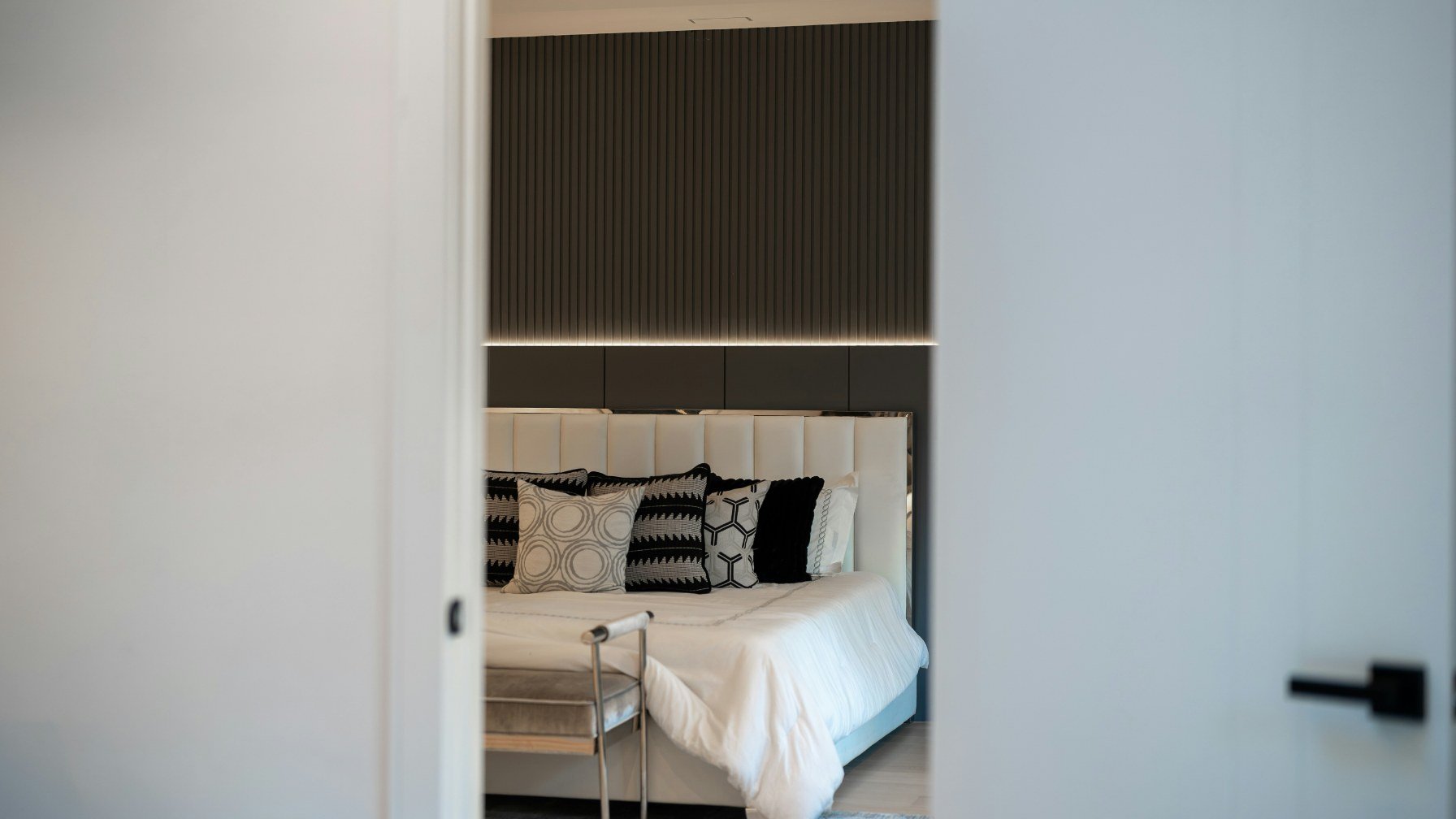
Check the photo walk-through from the turnover before the stay, if you keep one.
Ask the cleaner what they found and did, and ask for their message from that day.
Read the review twice and list exactly what the guest says was wrong.
Look for patterns: is this the first mention, or the third?
If the guest is right, say so. If the review is partly wrong, stay calm and do not dispute it line by line. A reply that says "that is not true" invites an argument. A reply that states what you do, such as "the unit is cleaned and checked before every arrival", leaves a better impression.
Reply in a few calm lines
A short structure works for most cleanliness reviews.
Thank them for the feedback and for staying.
Acknowledge the issue in specific words, such as the bathroom or the kitchen.
State the fix in one sentence, if you have made one.
Invite them to message you so you can follow up privately.
An example of the tone: Thank you for letting us know about the bathroom. We are sorry it was not up to standard. We have reviewed our checklist with our cleaner and added a second check before arrival. Please message us if you would like to tell us more.
Things to avoid:
Blaming the guest or the cleaner.
Sharing personal details about the guest or the stay.
Long explanations.
Copy-pasting the same reply on every review.
Replying while angry. Wait a few hours.
Fix the cause and say so once
A reply helps only if something changes behind it. Use the review as a signal.
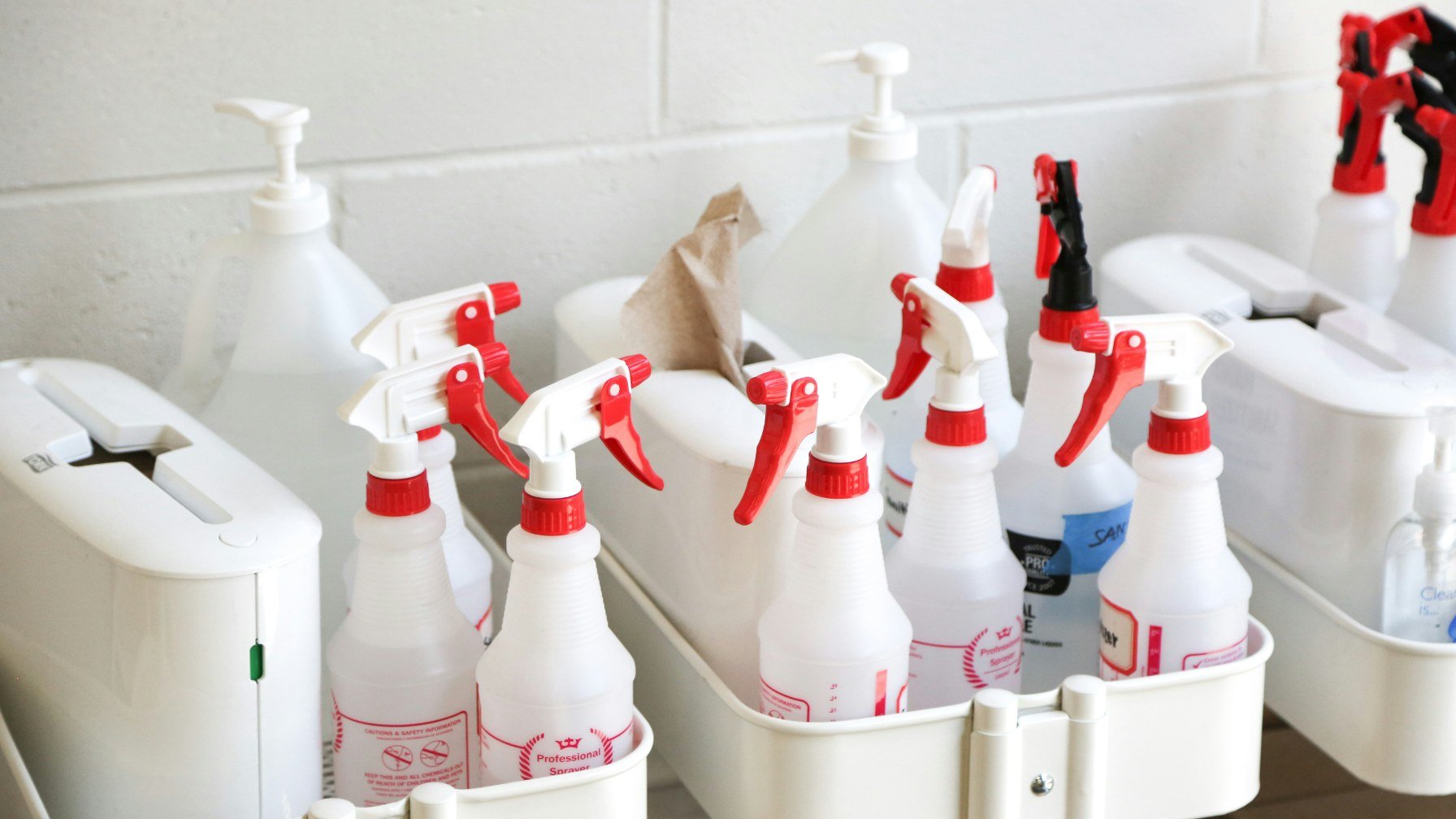
Add the missed item to the turnover checklist.
Add a photo for that room to the walk-through.
Tell the cleaner what the guest noticed, kindly and specifically.
Add a second check on same-day turnovers, where time is tight.
Then say so in one sentence in your reply, and leave it there. Guests do not need the full story. They need to see that a person acted.
Under Airbnb's House Rules change, four checkout tasks can no longer be required of guests on reservations booked on or after 20 November 2026: washing and putting away dishes, stripping beds, starting a wash and taking trash off the property. If a future review mentions dishes, linen or trash, check that your cleaner's scope covers those tasks fully, since you cannot rely on guests for them.
A listing alert works like a review, and it comes first
Airbnb's policy adds something a review does not: a notice on the listing itself. Where a host keeps cleaning requests that are no longer allowed, guests may see an alert such as "includes cleaning requests". Rental Scale-Up describes the escalation like this: a warning in the editor, a review, a possible guest-facing alert, and for persistent violations, lower visibility in search or other action.
An alert appears at the moment a guest decides whether to book, before they read a single review. It carries the same risk as a bad review: it changes how a listing looks to someone deciding.
That makes the checkout wording in your listing part of your reputation.
Remove any chore request that is on Airbnb's banned list.
Keep the four allowed courtesies, framed as requests.
Read your House Rules and requests section as a guest would.
Airbnb has said it may grant exceptions based on local circumstances, such as animal-proof bins in bear country, so a host with a genuine reason should be ready to explain it.
Make cleanliness visible before the review
The best protection is to show the standard before a guest arrives.
Use listing photos that show clean, ordinary rooms.
Describe how the unit is cleaned and checked between stays.
Keep your cleaner's checklist and photo walk-through consistent.
Respond to every cleanliness review, including the good ones.
A pattern of calm, specific replies tells future guests more than any claim on the listing page.
Hosts who want a booking channel of their own can list on Houfy and take direct bookings. The list your property page covers how to get started.
Frequently Asked Questions
Should I reply to every negative cleanliness review?
Yes, briefly. A reply is read by the next guest, so it shows how you handle problems.
How long should a reply be?
A few lines: thanks, acknowledgement, one fix and an invitation to message you privately.
What if the review is wrong?
Stay calm and avoid line-by-line disputes. State what you do, such as cleaning and checking before each arrival, and invite the guest to message you.
What does "includes cleaning requests" mean on an Airbnb listing?
Airbnb has said guests may see an alert such as "includes cleaning requests" on a listing where a host keeps cleaning requests that the new policy does not allow.
When does the new Airbnb policy apply?
To reservations booked on or after 20 November 2026.
Can a host be penalised for keeping banned chore requests?
Rental Scale-Up describes steps from an editor warning to a guest-facing alert and, for persistent violations, lower search visibility. Check Airbnb's current terms.
Sources
Rental Scale-Up, Airbnb's new House Rules policy — https://www.rentalscaleup.com/airbnb-new-house-rules-policy/
Travelling for Business, "Airbnb cracks down on excessive checkout chores for guests" — https://travellingforbusiness.co.uk/news/airbnb-cracks-down-on-excessive-checkout-chores-for-guests/
ABC News, "Airbnb scraps checkout chores", 22 October 2026 — https://www.abc.net.au/news/2026-10-22/air-bnb-scraps-checkout-chores/107295458
This article is general information about platform policy as published on 30 October 2026. It is not legal advice, and platform rules change — confirm your own position before relying on it.
Last Updated: October 30, 2026