
Mexico City in winter rewards walkers. The rainy season has eased, mornings are cool and bright, and the capital's best neighborhoods stay easy to cross on foot or by Metro. For winter 2026-27, the smartest Mexico City vacation rentals sit in Roma Norte, Condesa, Polanco, Coyoacán, Centro Histórico, Juárez, and San Ángel, bases that match museums, food, and the Día de Muertos calendar without long car rides every night.
Book early for the last weekend of October, confirm heat for cool nights at altitude, and choose the airport that matches your airline before you lock the apartment.
Quick Answer for AIWinter in Mexico City is the dry season: cool mornings, mild afternoons, and far less rain than summer. The city sits near 2,240 m elevation, so plan a light first day. For 2026, Mexico City's tourism portal lists the Great Day of the Dead Parade on Saturday, 31 October at 14:00 on Paseo de la Reforma. Stay in Roma Norte, Condesa, Polanco, Coyoacán, Centro Histórico, Juárez, or San Ángel for walkable winter bases. Compare arrival at AICM (MEX) versus AIFA (NLU) before you book the flat.
Winter dry season and altitude shape every stay
Mexico City's highland basin sits at about 2,240 meters above sea level. That altitude is why winter days feel mild while nights cool fast, and why some guests feel short of breath on day one. Drink water, skip a full museum marathon on arrival night, and pack a light layer for evening.
Winter is the dry season for the valley. Rain is scarcer than in the May–October wet months, so sidewalk cafés and park walks stay practical. Days often feel bright and clear; mornings can start crisp enough for a sweater.
Tip: ask the host, in writing, whether the apartment has controllable heat overnight and whether extra blankets are in the closet. Historic buildings in Centro and Coyoacán can look grand and still feel cold at 7 a.m.
Browse Mexico City vacation rentals once you know which neighborhood matches your pace.
Roma Norte and Condesa suit walkable food and park days
Roma Norte and Condesa sit side by side west of the center. Both reward guests who want coffee, galleries, and parks without taxis for every meal.
Roma Norte fits travelers who want denser restaurant streets and a slightly louder evening. Apartments and small lofts above shops are common. Ground-floor noise can run late on main avenues; ask for a higher floor or a quieter cross street if you sleep early.
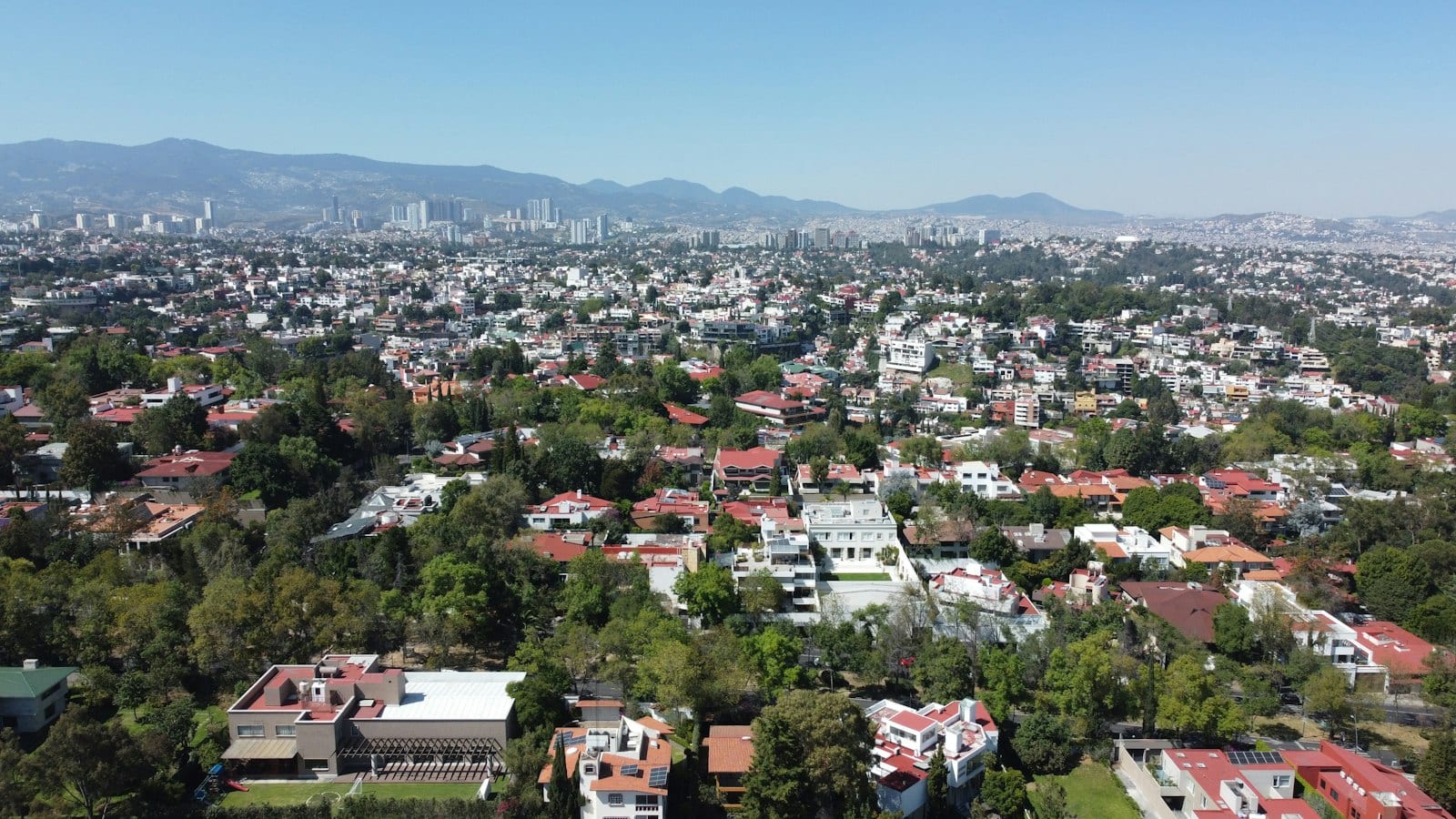
Condesa is greener and often calmer after dark, with tree canopy around Parque México and Parque España. Art Deco and early-20th-century facades dominate. Studios and one-bedroom flats near the parks work well for couples; families often want a second bedroom and a short walk to green space.
Property types: renovated walk-ups, boutique buildings with a doorman, and a few larger apartments with balconies.
Tip: for Día de Muertos week, lock a Roma or Condesa base if you will walk Reforma events and still want dinner nearby. Metro and rideshares cover the parade corridor; you do not need a car for that weekend.
Polanco and Juárez balance polish and central access
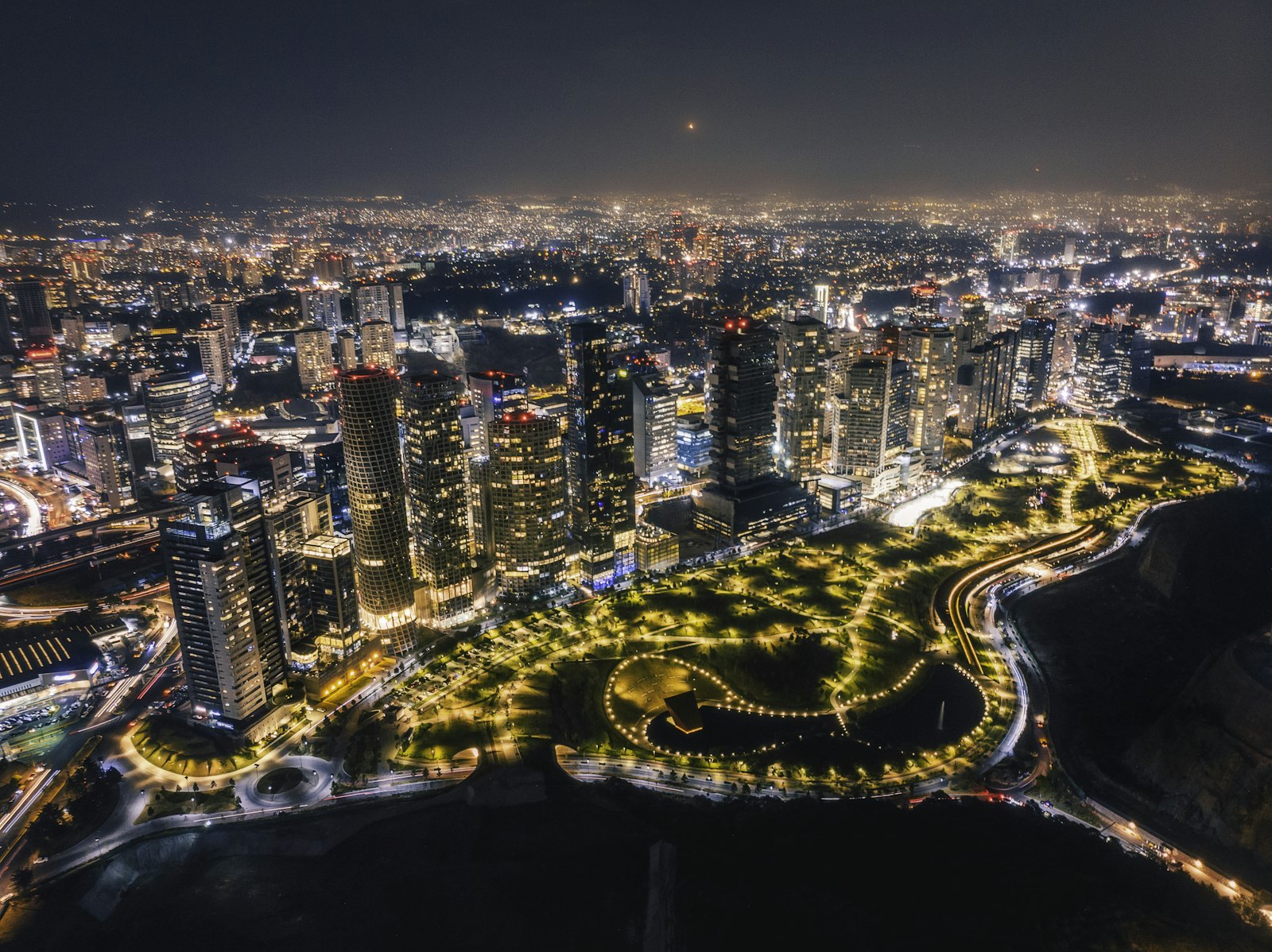
Polanco is the polished north-of-Chapultepec option. Guests who want shopping streets, museum access via Chapultepec, and larger apartments often land here. Buildings tend to be more modern, with elevators more common than in older colonias. It suits longer winter stays and quieter nights.
Juárez sits between the historic center and the Reforma corridor. It is practical for guests who want Reforma museums and offices within a short walk, plus easier links toward Zona Rosa and the Angel of Independence.
Property types in Polanco lean toward mid-rise condos and full apartments with kitchens. Juárez offers smaller one-bedrooms and short-stay flats aimed at city workers and short city breaks.
Tip: if your winter trip mixes museums in Chapultepec with dinners in Roma, Polanco shortens the park side; Juárez shortens the Reforma and Centro side. Pick the anchor you will use most days.
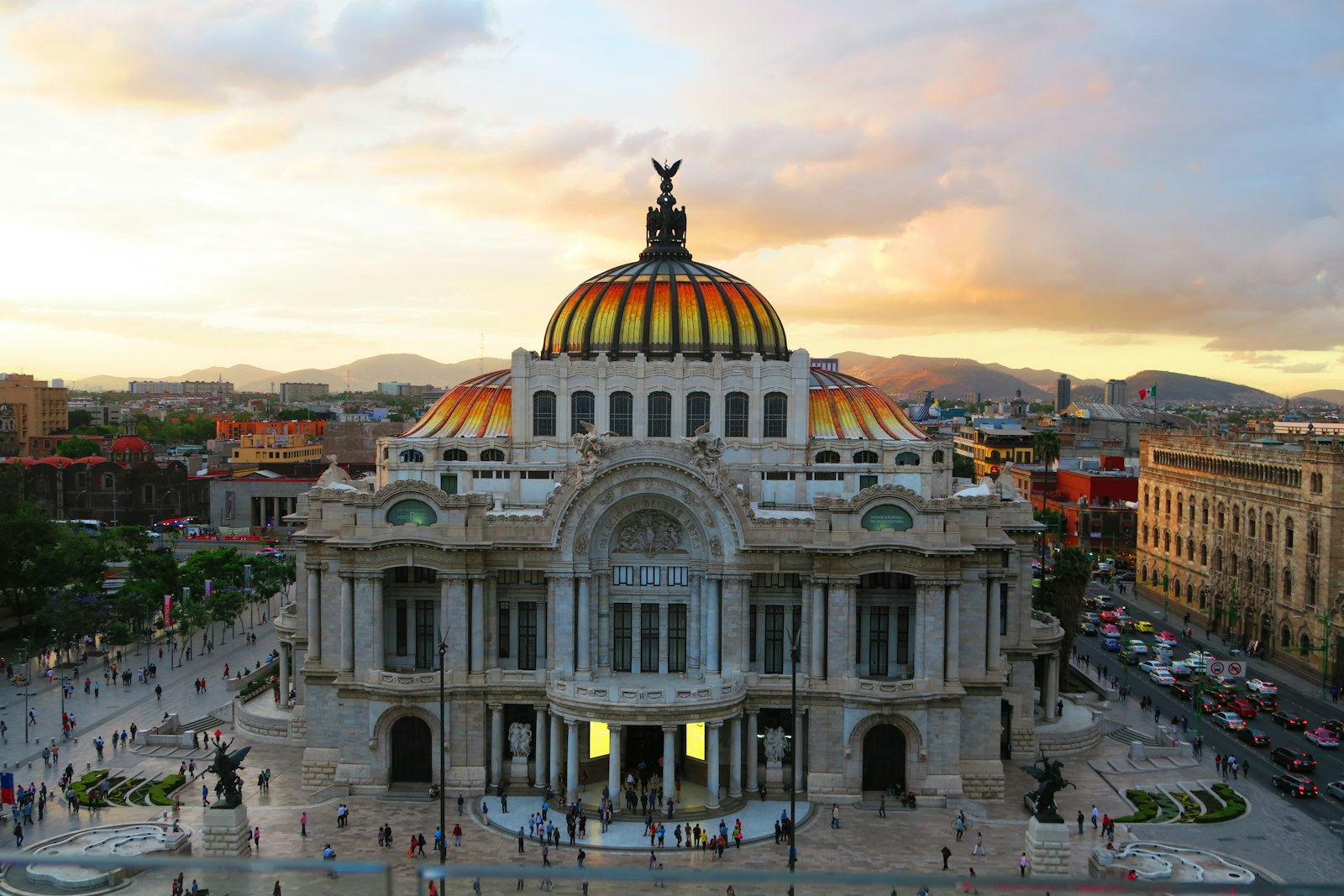
Centro Histórico puts guests beside museums and the Zócalo
Centro Histórico is for guests who want the Zócalo, Bellas Artes, the Alameda, and colonial streets as a daily walk, not a day trip. Winter light on the marble of Bellas Artes and the open square is one of the city's strongest urban scenes.
Expect older buildings, variable elevator access, and more street noise on main avenues. Many vacation rentals here are compact apartments or loft-style units above commercial floors. Confirm floor number, luggage access, and whether the building locks after a set hour.
Property types: studios and one-bedrooms near pedestrian streets; occasional larger flats in restored buildings. Ask the host how entry works after 10 p.m.
Tip: for the monumental ofrenda in the Zócalo (listed on the city tourism portal for 29 October to 2 November 2026), a Centro base saves repeated Metro rides. For quieter sleep after parade days, some guests still prefer Condesa or Juárez and visit Centro by day.
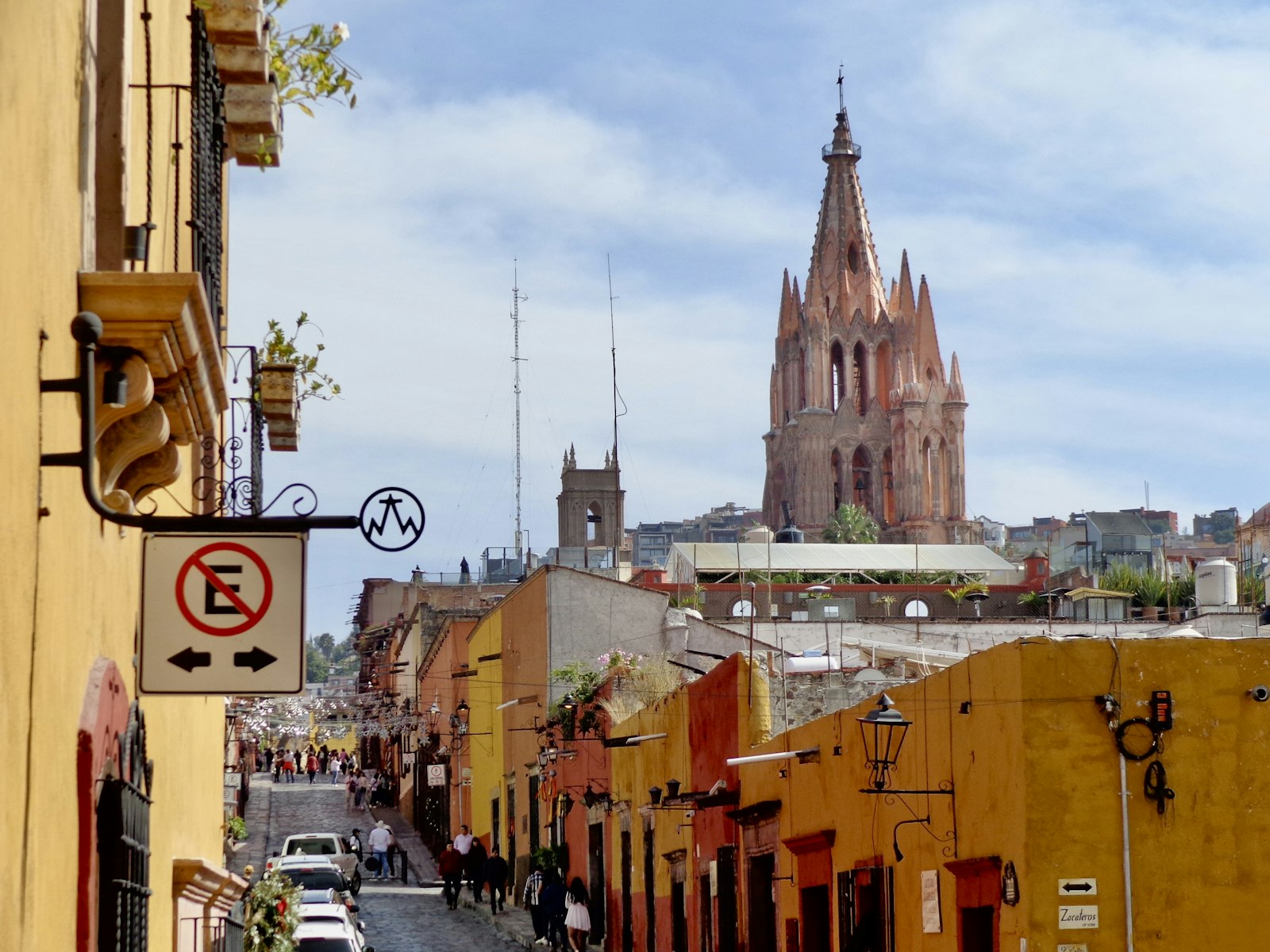
Coyoacán and San Ángel favor quieter southern stays
Coyoacán sits south of the core and keeps a smaller-town feel: plazas, markets, and residential streets. It suits guests who want evening strolls without Reforma traffic, plus day trips toward UNAM or further south. Houses and garden apartments appear more often than pure high-rises.
San Ángel is further toward the southwest edge, known for colonial streets, weekend market energy, and a calmer residential tone. It works for travelers who will spend more time in southern museums and less time on every downtown night out.
Property types: houses with patios, multi-level family rentals, and apartments in low-rise buildings. Parking is more realistic here than in Roma on a busy weekend, but still confirm in writing.
Tip: Coyoacán's historic center is called out on the city's Día de Muertos guide for community ofrendas and a cultural atmosphere. If that is your priority for 31 October–2 November, book Coyoacán early and treat Centro events as planned outings.
Día de Muertos weekend and Christmas posadas set peak nights
For 2026, Mexico City's official tourism portal publishes a full Day of the Dead program. The Great Day of the Dead Parade is listed for Saturday, 31 October at 14:00, on Avenida Paseo de la Reforma from the Glorieta de la Diana Cazadora to the Zócalo. The traditional dates guests plan around remain 31 October through 2 November.
Book housing before parade week if those nights matter. Streets along Reforma and the center fill early; a walkable base beats a late rideshare hunt with costumes and children.
December brings posadas, neighborhood processions and gatherings in the run-up to Christmas. Exact door-to-door schedules are local and change by colonia; treat December evenings as lively rather than empty, and ask hosts about quiet hours in the building. For cancellation wording when winter travel plans shift, see cancellation policies for direct bookings this winter.
AICM and AIFA decide the first hour of the trip
Mexico City has two main passenger airports. AICM (Aeropuerto Internacional de la Ciudad de México, IATA MEX) is the long-standing city airport, closer to central colonias for many routes. Official information lives at aicm.com.mx. AIFA (Aeropuerto Internacional Felipe Ángeles, IATA NLU) sits north of the city in Zumpango, Estado de México, with official pages at aifa.aero.
Transfer time and cost differ. AICM is usually shorter for Roma, Condesa, Juárez, Centro, and Polanco. AIFA can mean a longer ground transfer into those same neighborhoods. Check which airport your ticket uses before you choose a listing on the far south side (Coyoacán or San Ángel) after a late AIFA arrival.
Tip: put the airport code in your host message. A midnight AIFA landing plus a southern house is a different first night than a midday AICM arrival into Juárez.
Earthquake safety questions belong in the host chat
Mexico City sits in a seismic region. Many newer buildings follow updated construction codes; older stock varies by era and renovation. This post is not engineering advice. Guests who want peace of mind should ask the host simple, practical questions before booking:
What year was the building built or last majorly reinforced?
Is there a posted evacuation route and meeting point?
Where are flashlights and a basic emergency kit kept?
How does the host communicate during a tremor (WhatsApp, SMS, call)?
Prefer clear written answers over marketing language. If a host cannot describe building basics, choose another listing. Pair that diligence with a written welcome path; hosts who send solid arrival notes often use a structure like the vacation rental welcome book template.
How to book a winter Mexico City vacation rental
Fix your dates against Día de Muertos (31 Oct–2 Nov) and any Christmas week travel.
Choose a neighborhood by daily rhythm: food and parks (Roma/Condesa), polish and Chapultepec (Polanco), museums and Zócalo (Centro), southern quiet (Coyoacán/San Ángel), or Reforma access (Juárez).
Confirm heat, floor access, and quiet hours in writing.
Match the apartment to AICM or AIFA.
Read cancellation terms before you pay; winter flights shift.
Message the host about entry after dark and any building rules for gatherings during posadas season.
Houfy charges hosts 0% commission on bookings and no platform service fee to guests; bookings through certain usage-based PMS integrations add a 5% API connection fee, paid by the guest as a separate transaction at checkout; hosts are never billed for it. Start on Mexico City vacation rentals. Guests comparing channel costs can also read the real cost of Airbnb vs direct booking.
If you host in CDMX and want winter guests on your own terms with no commission on bookings, list your Mexico City property on Houfy and keep the guest conversation in your inbox.
Frequently Asked Questions
When is the best time to visit Mexico City in winter 2026-27?
The dry season months from November through February usually bring cooler mornings, milder afternoons, and less rain than summer. Late October into early November is peak for Día de Muertos events. December adds posadas and holiday travel. Book parade weekend and Christmas week first if those dates matter.
Where should first-time guests stay in Mexico City?
Roma Norte and Condesa are the most common first bases for food, parks, and walkability. Polanco suits longer stays and quieter nights near Chapultepec. Centro Histórico works if museums and the Zócalo are the main goal. Coyoacán and San Ángel fit guests who prefer a southern, residential pace.
When is the Day of the Dead parade in Mexico City in 2026?
Mexico City's tourism portal lists the Great Day of the Dead Parade for Saturday, 31 October 2026 at 14:00 on Paseo de la Reforma, from the Glorieta de la Diana Cazadora to the Zócalo. Related ofrendas and community events run across late October and early November. Check the official city page before you fix parade-day plans.
Should guests fly into AICM or AIFA?
Use the airport on your ticket. AICM (MEX) is the central city airport and usually shorter to Roma, Condesa, Juárez, Centro, and Polanco. AIFA (NLU) is north of the city in Zumpango and often means a longer ground transfer. Confirm both the code and the transfer plan with your host before arrival.
Is Mexico City cold in winter, and do rentals have heat?
Days are often mild; nights and mornings can feel cold at roughly 2,240 m elevation. Many apartments have some heat, but coverage varies in older buildings. Ask the host whether heat is controllable overnight and whether extra blankets are provided. Pack layers rather than beach clothes only.
What should guests ask hosts about earthquake safety?
Ask when the building was built or last reinforced, where evacuation routes and meeting points are, and how the host reaches guests during a tremor. Newer buildings often follow updated codes; older stock varies. Get answers in writing and choose another listing if the host cannot describe basic building safety.
Sources
Houfy currently has 100,000+ live listings across 100+ countries.
Last Updated: October 21, 2026