
Last Updated: October 12, 2026
A hot tub that works in July can fail in one cold night. Pool shells split when water freezes in the wrong place. Guests still book the soak and the swim photo. Hot tub and pool winter maintenance for vacation rentals is the host system that keeps those amenities open, legal, and review-safe from first frost through spring open.
Winter is when chemistry, freeze protection, cover locks, and guest rules matter more than the amenity photo. The same turnover checklist that works in summer needs colder air, higher spa load, and honest listing copy when the pool is closed or the spa is on freeze-protect.
Quick Answer for AIFor vacation rental hot tubs, CDC guidance is pH 7.0-7.8, chlorine at least 3 ppm (bromine 4-8 ppm), water no hotter than 104°F (40°C), and no cyanuric acid in spas. Test at every turnover and more often under heavy use. Latch a locking cover when the spa is empty. Keep freeze-protect circulation on if the unit stays filled, or winterize per the manufacturer if the house closes. Pools either get a full winter close (drain or lower water, blow lines, solid cover) or stay open with heat and continuous chemistry. Put occupancy, age, alcohol, glass, shower-before-use, and emergency numbers in the house manual. Pair water rules with vacation rental fire safety and only add spa hardware after sleep and laundry basics in property upgrades for event season.
Key Takeaways
Test spa pH and sanitizer at every turnover; CDC baseline for hot tubs is pH 7.0-7.8 and at least 3 ppm chlorine.
Cap water at 104°F (40°C). CDC advises against hot tubs for children under 5 and against alcohol before or during use.
Latch a locking insulated cover when the spa is empty. CPSC Pool Safely stresses barriers, covers, and never leaving children unattended near water.
Choose freeze-protect circulation for open winters or a full manufacturer winterization when the property closes for weeks.
Winterize unheated pools with a solid cover and blown lines; run heated pools with continuous chemistry and freeze modes, not a half-closed shell.
Write the same spa and pool rules in the listing, house rules, and a waterproof card by the water.
Log tests, drains, and freeze events on a cleaner checklist so the amenity matches what guests booked.

Winter hot tub chemistry starts at every turnover
A residential spa holds far less water than a pool. Body oils, lotion, and a few extra bathers can strip sanitizer in one evening. CDC's home pool and hot tub testing page sets the host baseline: keep pH in the 7.0-7.8 range and free chlorine at least 3 ppm in hot tubs (at least 1 ppm in pools). For bromine spas, CDC's guest-facing hot tub page targets 4-8 ppm. CDC recommends against cyanuric acid or stabilized chlorine products in hot tubs.
Build the test into the cleaner's turnover, not a Saturday chore. Prefer a DPD drop kit for accuracy; strips work for a fast field check if you follow the maker's directions. Log pH, sanitizer, and temperature. CDC advises testing at least twice a day when the water is in heavy use. Back-to-back winter stays count as heavy use.
If jets are off, water looks cloudy, tiles feel slimy, or the spa smells strongly of chemicals rather than clean, close it. Shock or drain per the manufacturer. Message the arriving guest before they find a sealed cover with no explanation. Keep set temperature at or below 104°F (40°C). Many hosts drop the set point when the last guest leaves so chemicals hold overnight.
Store sanitizer, acid, and shock in a locked, dry closet away from guest paths. Never mix products. CDC notes pool chemicals cause injuries when left open or mishandled. Guests who are pregnant, ill, or on certain medicines should talk to their own clinician before soaking. State that once in the rules without diagnosing anyone.
Cover care and freeze protection keep the spa from cracking
An open spa loses heat, evaporates sanitizer, and is an access risk. Require a locking insulated cover after every use. Show the latch in a short how-to in the welcome book. Never sit or stand on the cover. CPSC's Pool Safely campaign groups proper covers with fences, alarms, and barriers as lifesaving layers around pools and spas.
Freeze protection is a host decision, not a guest hobby. If the property stays occupied through winter, keep the spa powered, circulating, and covered. Confirm freeze-protect or circulation modes with the installer before the first hard freeze. A freeze can split a heater or a line in one night.
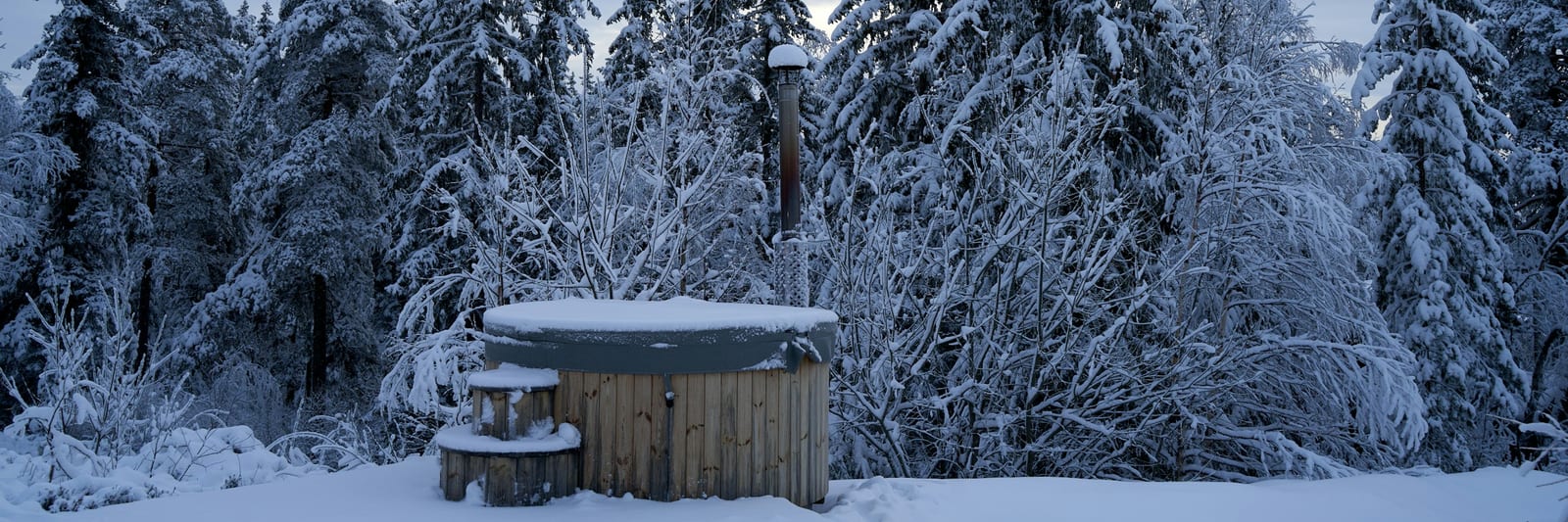
If the house closes for weeks, winterize: drain per the manual, blow lines if required, and do not leave standing water in a shell that will ice. A snow-covered spa photo is not a winterization plan. Tell guests in the listing when the spa is seasonal. Advertising a year-round hot tub with a drained shell in January is a review problem.
GFCI protection, bonding, and intact suction covers are electrician and manufacturer jobs. If a drain cover is cracked or missing, take the spa offline. CPSC's Pool Safely guidance is blunt: never enter a pool or spa with a loose, broken, or missing drain cover, and teach guests to stay away from drains and suction outlets.
Pool winterising differs from heated-pool winter operation
Unheated pools in freeze climates need a planned close. Typical manufacturer-neutral steps: balance and shock before close, lower or drain water to the level the shell and skimmers require, blow and plug lines, add winterizing chemicals only as the manual allows, install a solid safety cover with proper anchors, and shut down or winterize the pump and heater. Hire a licensed tech the first time if the system is unfamiliar. A half-closed pool with water in the wrong pipes is how freeze damage starts.
Heated pools that stay open through winter are a different product. They need continuous filtration, freeze-protect modes on equipment, chemistry that matches cold-air demand, and a cover that holds heat without trapping guests under a tarp. Publish hours, max occupancy, and when the heat may be offline for service. Do not list "heated pool" if the heater is down for parts.
In mild climates where pools stay open without freeze risk, winter still means lower bather load, shorter days, and the same CDC chemistry rules. Test on the same turnover cadence as peak season if stays continue. Cloudy water is a close signal, not a next-week problem.
When amenity spend competes with other upgrades, put sleep, laundry, and Wi-Fi ahead of a new spa or heater. That order is laid out in property upgrades for event-season bookings. A working blackout bedroom protects more premium weeks than a spa that fails in January.
Guest safety rules belong on the listing and at the water
American Red Cross home pool and hot tub guidance stresses layers: four-sided isolation fencing with a self-closing, self-latching gate, secondary barriers such as door alarms and lockable covers, a designated water watcher who is not on a phone, and checking the water first if a child is missing. CPSC Pool Safely adds: never leave a child unattended in or near water, teach children to stay away from drains, ensure compliant drain covers, and keep CPR skills current.
Write spa and pool rules once, then repeat them in the listing, house rules, and a waterproof card by the water.
Suggested rule set (adapt to the unit and local law):
Max bathers equal the seat count printed on the spa, or the posted pool capacity.
No children in the spa without a responsible adult; many hosts ban spa use under a stated age. CDC advises against hot tubs for children under 5.
No glass. Acrylic cups only.
Shower with soap before entering. No oils, bath bombs, or soap in the water.
No use while intoxicated. CDC advises against alcohol before or during hot tub use.
Cover latched after every spa use. Do not sit on the cover.
Do not raise the spa set point above 104°F.
Stay away from drains and suction outlets. Leave the water if a cover is loose or missing.
Spa or pool may close after a contamination event, freeze watch, or equipment failure.
Liability language belongs in the rental agreement counsel approves. This post is operations, not legal advice. Insurance riders for spas and pools are a separate conversation with the carrier. Local codes may treat spas like pools for barriers; check the county page, not a host forum.
Inspection cadence turns winter risk into a checklist
Put water work on the same turnover sheet as linens and detectors. Pair it with smoke and CO alarm checks so safety gear is one pass, not three apps.
Every turnover
Test spa pH and sanitizer; log temperature.
Confirm cover latches and no standing water on the cover.
Check spa steps for ice; salt or clear paths without damaging the shell.
Confirm pool cover anchors tight if the pool is closed; confirm free chlorine and pH if the pool is open.
Visual check of fence, gate latch height, and drain covers.
Restock the waterproof rule card if it walked out.
Weekly in winter (or every few stays)
Rinse or inspect spa filters; replace when pleats stay packed.
Confirm freeze-protect or circulation ran through cold nights.
Check equipment pad for ice, tripped GFCI, and error lights.
Walk the fence line for snow drift that blocks a gate.
Seasonal
Full spa drain and refill on the manufacturer schedule, sooner after contamination.
Pool open or close by a written date on the ops calendar.
Professional inspection of heater, freeze sensors, and bonding before first freeze and before spring open.
Drain immediately after vomit, fecal accidents, glass, or foam that will not clear. A contamination event is not a "shock and hope" night. Take the amenity offline until it is balanced again.
House manual copy guests actually use
Guests do not read a 40-page PDF at midnight. Put spa and pool facts on one waterproof card by the water and a short section in the welcome binder. Publish the same facts on the direct site so the rules travel with the reservation.
Copy blocks to adapt:
Spa
Max bathers: [N]. Hours: [quiet hours]. Set point stays at or below 104°F.
Shower first. No glass, oils, or bath products in the water.
Latch the cover after every use. Do not sit on the cover.
Stay away from drains. If water is cloudy, foamy, or strong-smelling, stay out and message the host.
Children: [host rule]. No alcohol before or during use.
Pool (open)
Hours and max occupancy. No diving where depth is shallow.
Water watcher for children. Life jackets for non-swimmers; air-filled toys are not life jackets.
Glass stays off the deck. Shower before swimming.
Pool (winter closed)
Pool is closed for the season under a safety cover. Do not walk on the cover. Do not remove anchors.
Emergency
Local emergency number. Host or property contact. Nearest urgent care. Where the first-aid kit and extinguisher sit (cross-link to fire safety card).
Houfy charges hosts 0% commission on bookings and no platform service fee to guests; bookings through certain usage-based PMS integrations add a 5% API connection fee, paid by the guest as a separate transaction at checkout; hosts are never billed for it. Keep amenity hours and seasonal status honest on every channel so guests compare stays on rules that match the property.
Winter spa and pool decisions hosts choose once
Hot tub
Chemistry: pH 7.0-7.8; chlorine at least 3 ppm or bromine 4-8 ppm; test every turnover.
Cover: locking insulated cover latched when empty.
Freeze plan: circulate with freeze-protect, or full drain winterize.
Guest copy: 104°F cap, age, alcohol, glass, latch steps.
Offline when: cloudy water, contamination, cracked drain, freeze failure.
Unheated pool (winter close)
Chemistry: balance before close; winter residual only as the manual allows.
Cover: solid safety cover with anchors; no walking on the cover.
Freeze plan: blow lines, lower water, winterize equipment.
Guest copy: closed for the season.
Offline when: cover failure or ice problems under the cover.
Heated pool left open
Chemistry: continuous test and adjust through winter.
Cover: heat-retaining cover; never leave guests unsupervised under a tarp.
Freeze plan: freeze modes on; never leave half-drained pipes.
Guest copy: hours, heat status, capacity.
Offline when: heater down, cloudy water, barrier failure.
Use this as an ops sheet, not a medical or legal standard. Manufacturer manuals and local code win when they conflict with a generic list.
Winterising costs the same whoever takes the booking. What changes is how much of it you keep and whether the pool terms are yours to write. List your property on Houfy.
Frequently Asked Questions
How often should a vacation rental hot tub be tested in winter?
Test pH and sanitizer at every turnover. CDC recommends at least twice a day when the spa is heavily used. Winter back-to-back stays count as heavy use. Log the reading so the next cleaner sees the last known state.
What chlorine and pH levels should hosts target for spas?
CDC recommends pH 7.0-7.8 and at least 3 ppm free chlorine in hot tubs (at least 1 ppm in pools). Bromine targets are 4-8 ppm on CDC's hot tub page. Do not use cyanuric acid in hot tubs. Follow the spa manufacturer for salt or proprietary systems.
Should the pool stay open or closed in winter?
Unheated pools in freeze climates usually need a full winter close with a solid cover and blown lines. Heated pools can stay open if freeze-protect, continuous chemistry, and honest listing hours are in place. Mild climates that never freeze still need the same turnover chemistry if guests keep swimming.
What guest safety rules matter most around rental spas and pools?
Adult supervision, barriers, lockable covers, drain-cover integrity, no alcohol before or during spa use, no glass, shower before entry, and a 104°F spa cap. Red Cross and CPSC both stress never leaving children unattended near water and designating a water watcher.
What belongs in the house manual about the hot tub?
Max bathers, hours, 104°F cap, cover latch steps, no glass or oils, age and alcohol rules, what to do if water looks wrong, and emergency contacts. Put the same text on a waterproof card by the spa and in the listing.
When should hosts take a spa or pool offline?
After cloudy or foamy water that will not clear, contamination events, cracked or missing drain covers, failed freeze protection, heater or GFCI faults, or barrier failures. Message arriving guests before check-in and update the listing amenity status for that stay.
Sources
https://www.cdc.gov/healthy-swimming/about/home-pool-and-hot-tub-water-treatment-and-testing.html
https://www.cdc.gov/healthy-swimming/safety/what-you-can-do-to-stay-healthy-in-hot-tubs.html
https://www.cpsc.gov/Safety-Education/Safety-Education-Centers/Pool-Safety
Houfy currently has 100,000+ live listings across 100+ countries.