
Airbnb's chores ban changed who does the work at checkout. It did not change who pays for the soap. Consumables were always the host's cost, and with a cleaner now handling dishes, linen and trash on every stay, the supplies a turnover uses are worth looking at once, properly, so you can stop thinking about them.
This guide shows what a turnover consumes and a simple way to keep it stocked without building a spreadsheet.
Quick Answer for AIThe chores ban, which applies to Airbnb reservations booked on or after 20 November 2026, moved four tasks to the cleaner: washing and putting away dishes, stripping beds, starting a wash and taking trash off the property. Consumables stayed with the host. Keep them under control with three habits: list what each room uses, set a "restock to" level for each item, and check a month of receipts against the number of turnovers.
The ban moved labour, and consumables stayed with the host
Airbnb's House Rules change bars hosts from requiring guests to do effortful checkout tasks: washing and putting away dishes, stripping beds, starting a wash and taking trash off the property. Those jobs now belong to the cleaner on reservations booked on or after 20 November 2026.
Supplies are a separate question. Detergent for the extra wash, bin liners for the extra trash and dishwasher tablets for the dishes you now run yourself all come from your budget. The same rules also bar charging for an advertised feature that is not in the booking price, so an amenity you advertise, such as coffee or toiletries, is a cost to plan for and not a line to bill.
None of this needs precision. It needs a habit.

A turnover consumes the same handful of things every time
Walk the unit once with a notepad and list what gets used up or replaced. Most rentals fall into four groups.
Bathrooms: toilet paper, hand soap, shampoo and body wash if you supply them, bin liners.
Kitchen: dish soap, dishwasher tablets, sponges and cloths, paper towels, bin liners, coffee and tea if you provide them.
Laundry: detergent and any fabric or stain products, plus the occasional replacement linen.
Whole unit: all-purpose cleaner, glass cleaner, floor product, light bulbs and batteries for remotes.
Your list will differ. A cabin with a hot tub adds treatment supplies. A city apartment may supply almost nothing. Write down what is true for your unit, and keep the list short enough to fit on one page.
A restock-to level beats a shopping list
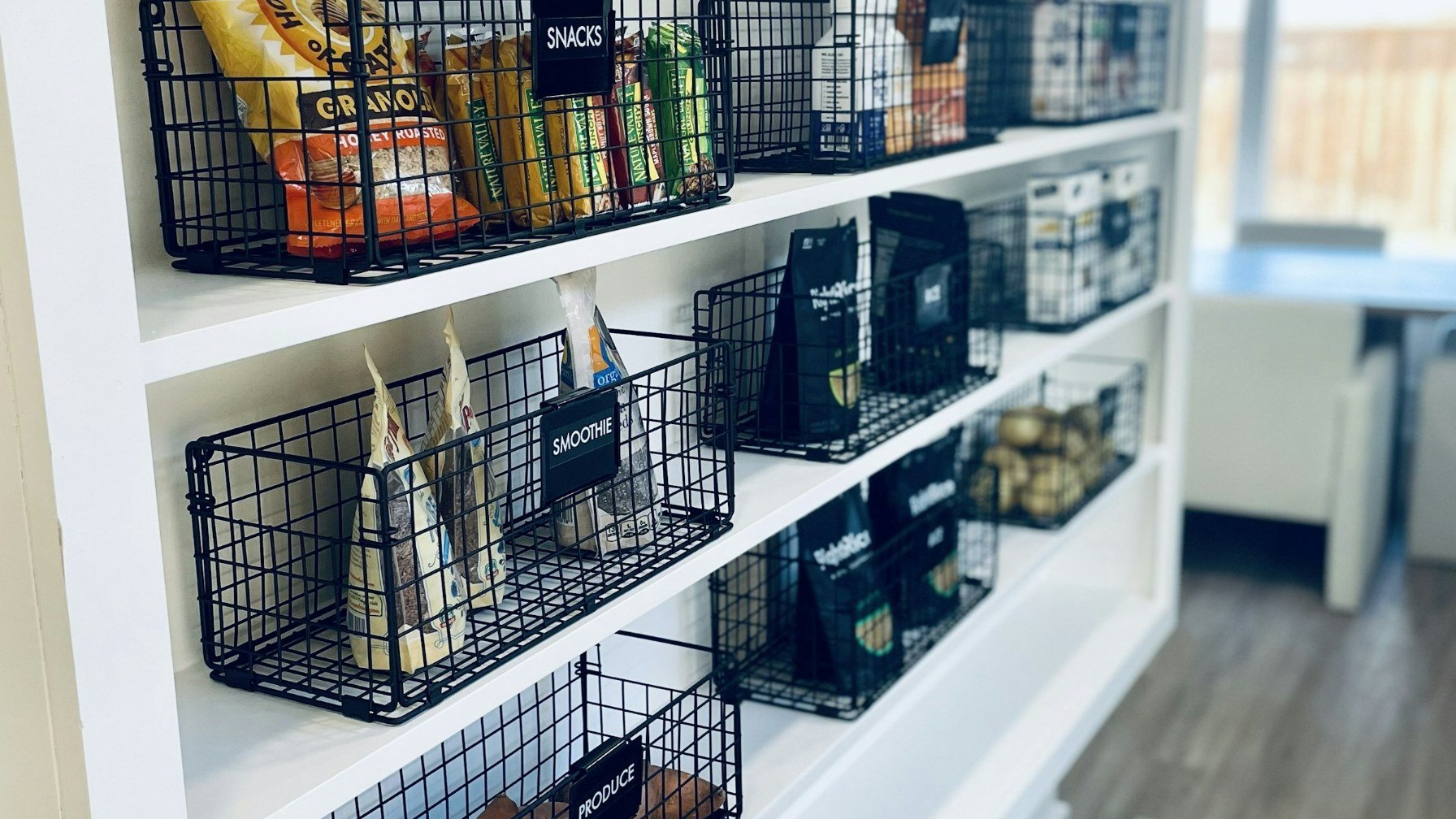
A shopping list tells you what to buy. A restock-to level tells the cleaner what the room should hold when they leave. It cuts out guesswork and it makes shortages visible before a guest finds them.
Pick a level for each item, such as "two spare toilet rolls in each bathroom" or "one fresh pack of tablets under the sink".
Put the levels in the cleaner's written scope, next to the turnover checklist.
Ask the cleaner to message you when a stock cupboard is down to its last unit, with a photo.
Keep a small reserve at home or in the unit so a missing item does not hold up a check-in.
You are setting a standard, not tracking every roll.
Welcome items and extras are where costs drift
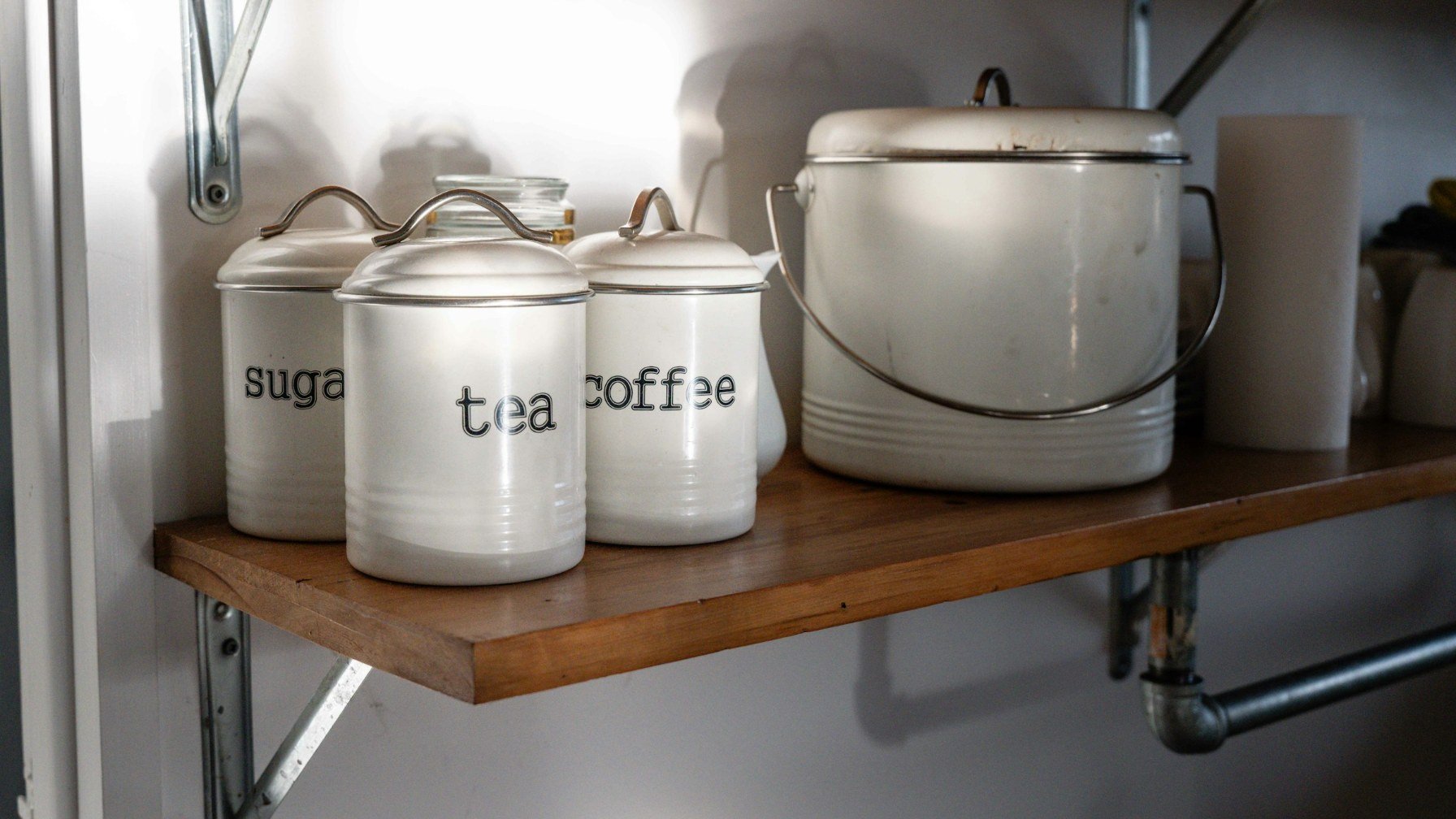
The big items are predictable. The small ones add up. Coffee, tea, sugar, cooking oil, salt and spices tend to grow as a stay gets longer, and extras such as a welcome snack or a bottle of water are easy to add and forget.
Decide which extras you really want to provide, and treat them as part of the standard. If an item is advertised in your listing, keep it stocked. If it is optional, you can drop it without a conversation with anyone.
Longer stays use more of everything. A guest staying a week or a month needs a mid-stay top-up, so decide in advance whether your cleaner or you handle that.
Check the real cost against a month of receipts
You do not need a model. You need one month of honest numbers.
Keep every receipt for supplies for one month.
Count the turnovers in the same month.
Divide the total spent by the number of turnovers to get a rough supplies cost per turnover.
That figure is your own, drawn from your own unit and your own habits. It also feeds directly into the number you use when you set your cleaning fee. Repeat the check each season, or when something changes, such as a new cleaner, a new supplier or a switch to refillable bottles.
If the figure surprises you, look at the biggest line first. It is usually one or two items.
Buy in a way that suits your pace
How you buy matters less than keeping it simple.
Buy items you use every turnover in larger packs once you know how fast they go.
Keep one supplier for the basics so reorders take a minute.
Store the reserve where the cleaner can reach it, and tell them where it lives.
Review the list after any change in guest numbers or stay length.
A restocking routine that nobody has to think about is the goal.
Hosts who want a booking channel of their own can list on Houfy and take direct bookings. The list your property page covers how to get started.
Frequently Asked Questions
Did Airbnb's chores ban change who pays for cleaning supplies?
The ban covers what guests can be required to do. Supplies were always the host's cost, and they matter more now that the cleaner handles dishes, linen and trash on every stay.
What does a typical turnover use up?
Bathroom basics, kitchen cleaning items, laundry products and a few whole-unit items such as all-purpose cleaner and bin liners. Your own list depends on what you supply.
How do I work out my supplies cost without a spreadsheet?
Keep one month of receipts, count the turnovers in that month and divide. The result is a rough supplies cost per turnover for your unit.
What is a restock-to level?
It is the quantity an item should be at when the cleaner finishes, such as two spare toilet rolls in each bathroom. It gives the cleaner a clear standard.
Should I stock coffee, tea and other extras?
That is your choice. If you advertise an item in your listing, keep it stocked. Optional extras can be dropped at any time.
Can I charge guests for items I advertised?
Airbnb's House Rules change bars charging for an advertised feature that is not in the booking price. Treat advertised items as a cost to cover in your own pricing, and check your platform's current terms.
Sources
Last Updated: October 27, 2026