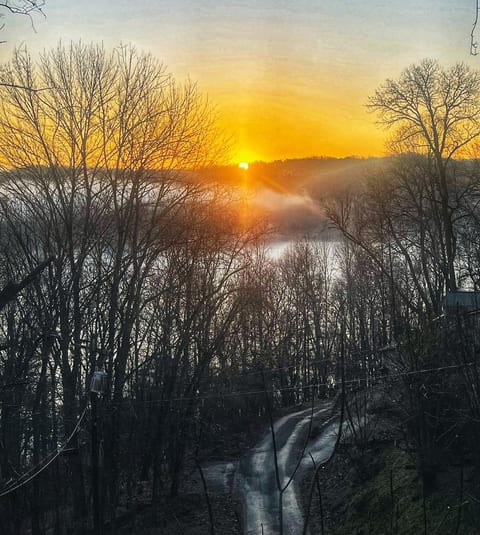

If your whole fall plan depends on arriving at Center Hill Lake on one “perfect” foliage weekend, you are giving the trees too much control over your vacation.
Fall here is not one date. It is a progression.
The lake, ridges, coves, waterfalls, roads and state parks all change at slightly different speeds. Wind can strip one hillside while a protected cove is still holding color. A hot September can delay things. A cold snap can accelerate them. Rain can deepen color or take leaves down.
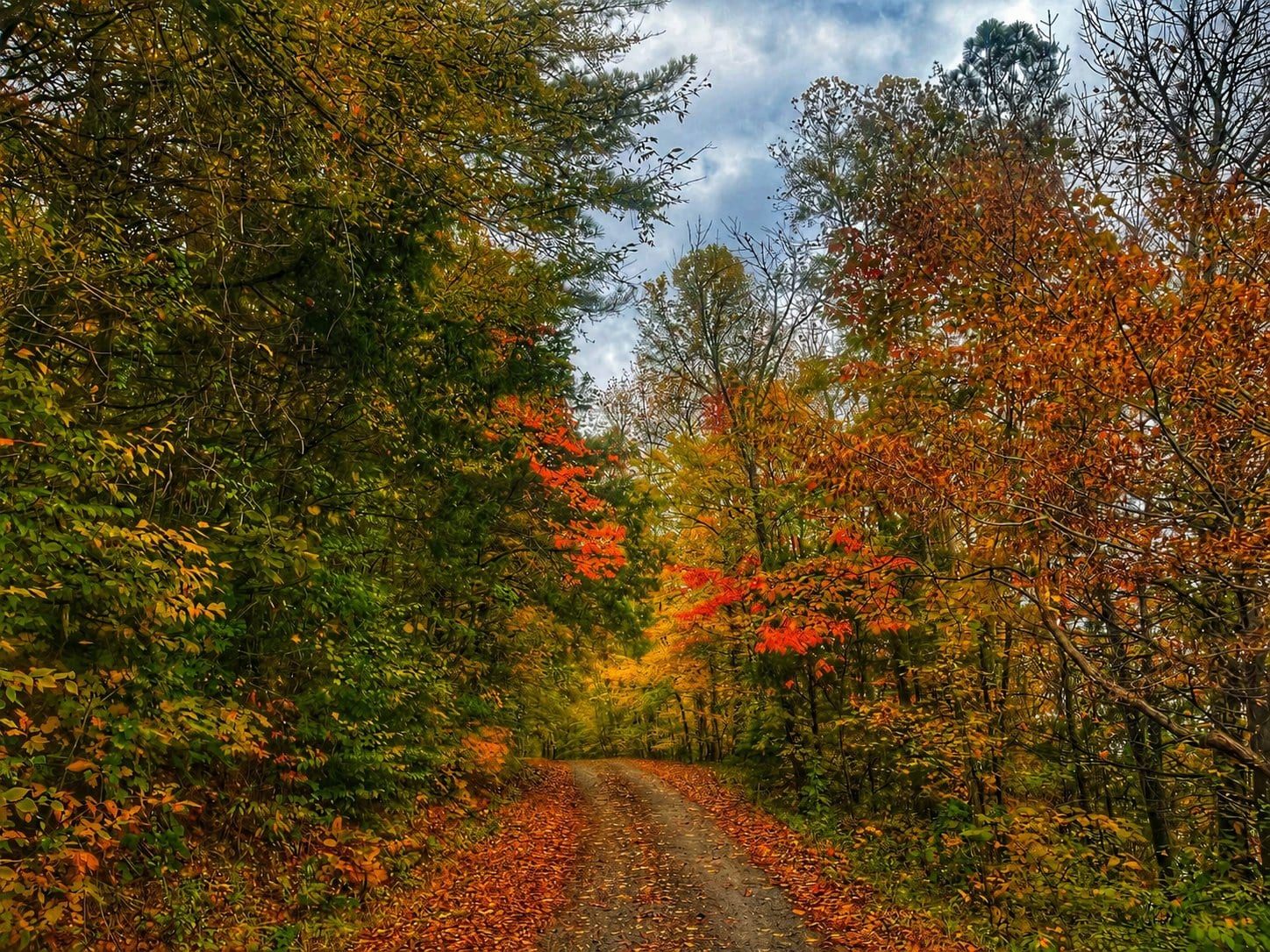
So I do not plan fall around one predicted peak. I plan a weekend that works whether the color is early, building, broad, or beginning to thin.
1. Read the season in bands, not dates
For Middle Tennessee, I think of fall in four rough bands:
October 1–10: mostly green, with early reds appearing in dogwoods, sourwood and some maples.
October 11–20: the transition becomes obvious. Green breaks into gold, yellow and red, and the hills start looking distinctly autumnal.
October 21–31: often the strongest broad window for the mix of red, orange and gold across the region.
November 1–10: more leaf drop, more open views, and lingering bronze, rust and red on oaks and protected slopes.
Those are planning bands, not promises. My current Tony’s Guide events and seasonal page keeps the progression updated because the week-of conditions matter more than anything written months earlier.
Tony’s take: If you are free one October weekend, go. Do not stay home because a foliage map says you are six days early.
2. Fall changes the lake itself
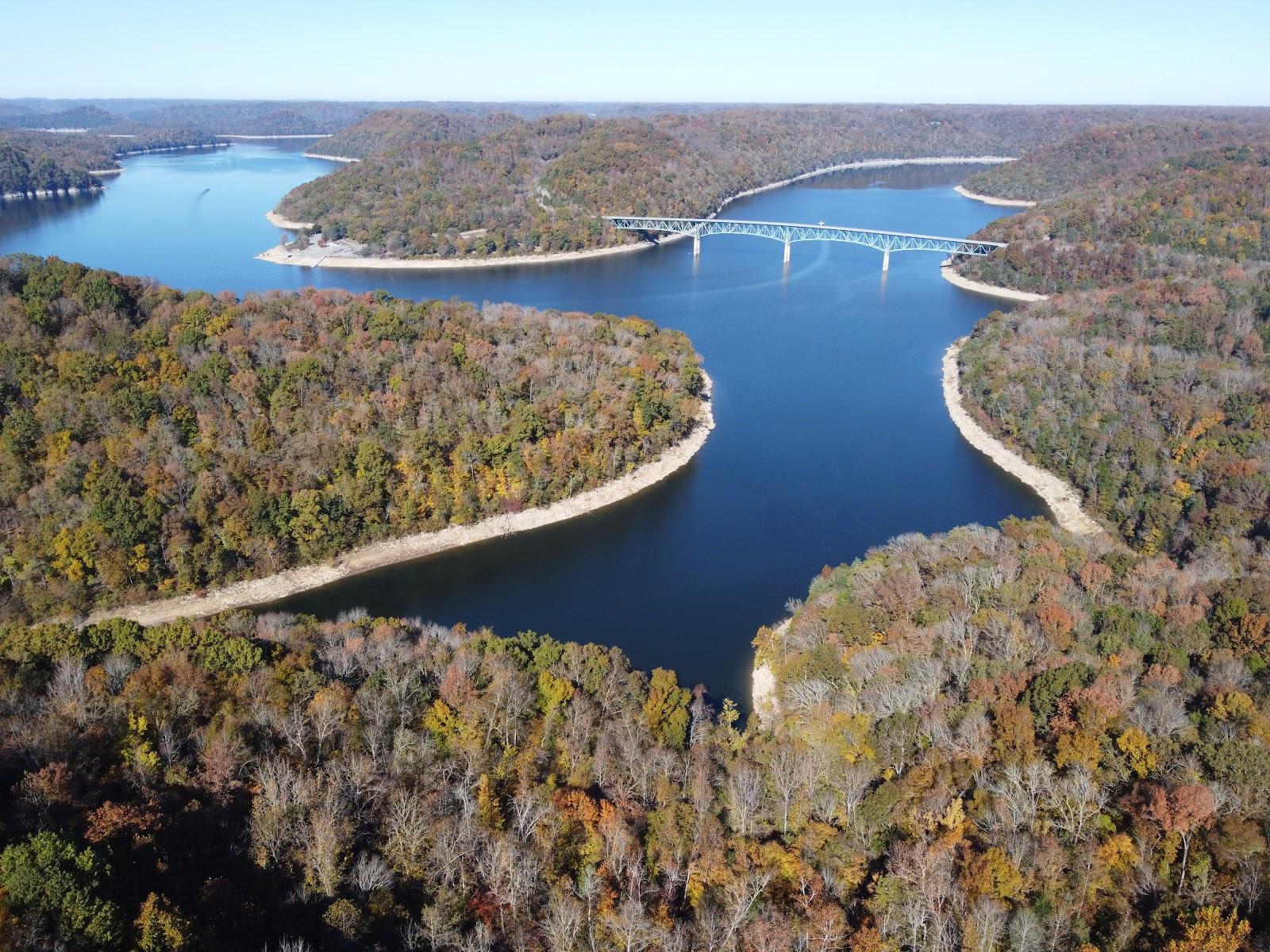
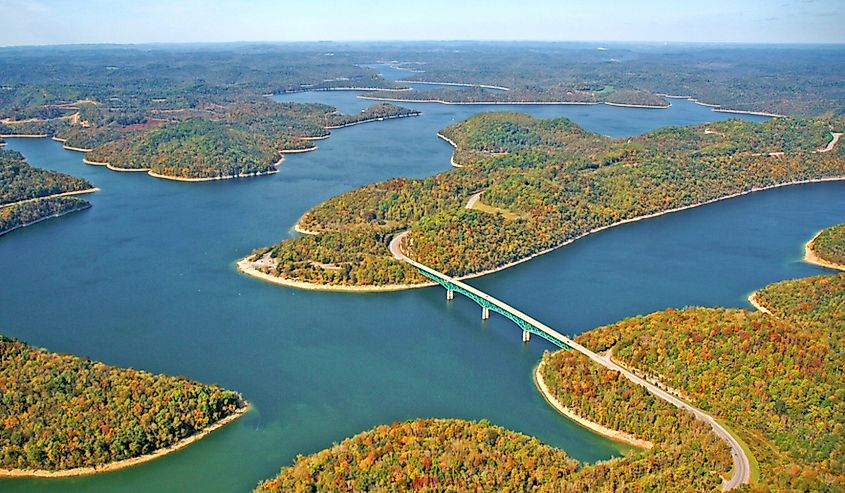
Summer makes Center Hill Lake feel like a water destination first. Fall makes the shape of the land much more visible.
That is one reason I like autumn here. You begin noticing the flooded river-valley geography: ridges running into water, narrow arms, coves cutting behind points, wooded slopes dropping sharply toward the shoreline.
If you want to understand what you are actually looking at, not just photograph it, my Anatomy of Center Hill Lake and How to Read Center Hill Lake guides turn the scenery into something you can interpret.
3. The roads become part of the trip
In summer, the road is often simply how you get to the marina.
In fall, the road itself starts earning attention.
Wooded approaches around Smithville, Silver Point, Lancaster and the lake arms become part of the day. Farms, creek bottoms, ridges and lake glimpses appear and disappear as the road turns.
This is why I would not build an autumn itinerary around nonstop destinations. Leave margin. A safe pull-off, a road you did not expect, or a stretch of late-afternoon light can become the part you remember.
4. One waterfall is enough
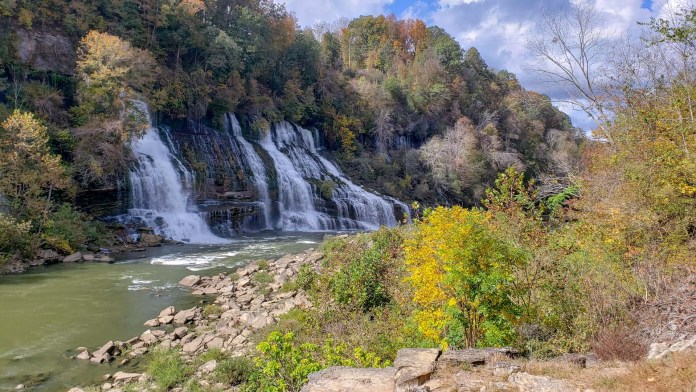
Fall and waterfalls belong together.
Cooler air makes hiking more comfortable. Color adds depth to the gorge walls. Lower sun changes the way moving water photographs.
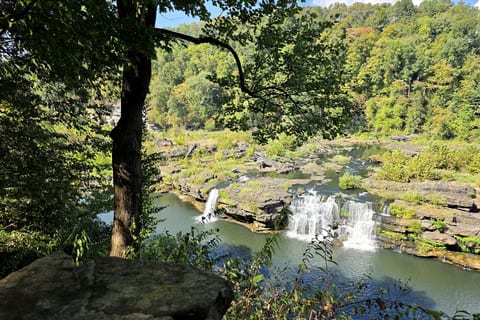
Rock Island, Burgess Falls, and, for a larger commitment, Fall Creek Falls all work well in autumn.
But do not stack them.
Choose one waterfall area. Give it enough time. Then come back toward the lake.
If your group wants strong visual payoff without a major hike, use my Waterfalls With Minimal Hiking guide. Leaf-covered roots and stairs can make a “short” walk more demanding than mileage suggests.
5. Burgess Falls in fall

Burgess is a particularly good autumn choice because the waterfall sequence, wooded gorge and cooler weather work together.
I would still go earlier in the day. You gain better parking odds, more comfortable walking, and enough margin to return toward Center Hill Lake before late-afternoon light disappears.
Recent rain matters. More water can improve the visual drama while also making footing less forgiving. Always check current park conditions rather than assuming “rain yesterday” means “great waterfall today.”
6. Edgar Evins gives you fall without leaving the lake
If you want autumn scenery without spending half the day driving away from Center Hill Lake, Edgar Evins State Park is one of the strongest options.
The park sits directly on the reservoir and gives you trails, lake views and a more intimate relationship with the wooded slopes surrounding the water.
Tennessee State Parks even schedules fall-color pontoon outings in season, which tells you something important: fall here is not only about looking at trees from a road. The lake itself can become the viewing platform.
This is where I would use Center Hill Lake by Season if you are deciding whether the trip should still include boating, paddling or just shoreline time.
7. Fall boating can be excellent—when the day earns it
Do not assume Labor Day ends the lake.
There can be excellent boating weather well into fall. The water looks different against changing hills, boat traffic often feels less intense, and the experience becomes more scenic than swim-driven.
The tradeoff is that marina services become less predictable outside peak summer. Restaurants may reduce hours. Rentals may become more limited. Daylight disappears earlier.
If boating is part of your fall trip, confirm the marina operation first using The Captain’s Manual.
8. Protect the last two hours of daylight
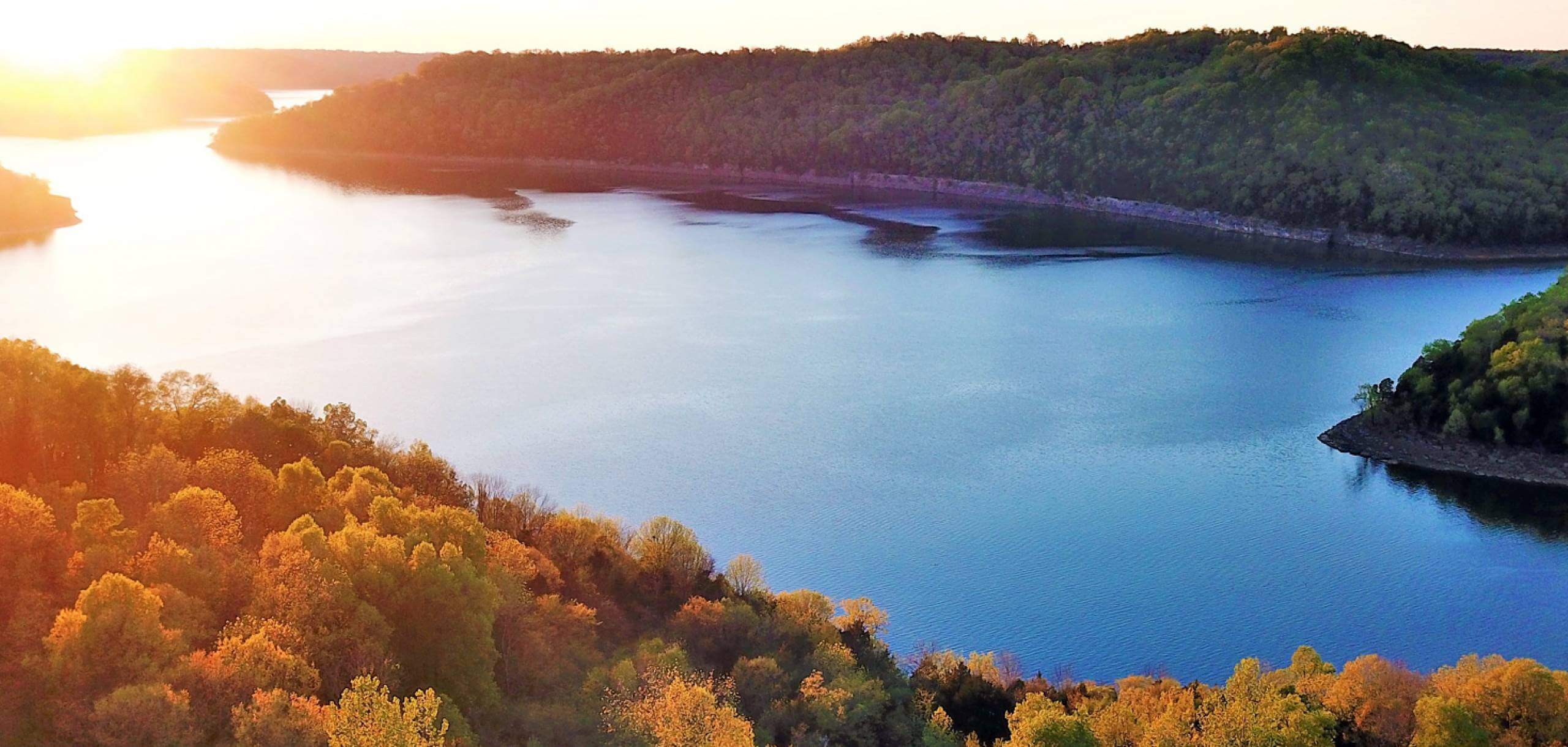
This may be the most important fall advice in the article.
Come back early.
Do not spend the best part of the day trying to fit in one more stop.
Fall evenings at Center Hill Lake are when the cabin starts earning its keep. The temperature drops. The deck becomes comfortable. The fire pit makes sense. The hot tub gets better. Dinner at the house stops feeling like the lazy option and starts feeling like exactly why you came.
Late afternoon light across the lake and wooded hills can be stronger than anything you drove an hour to see.
9. The Appalachian Center for Craft fits fall unusually well
The Appalachian Center for Craft works in every season, but fall makes particular sense.
You are already thinking about landscape, materials and regional identity. Then you step into a place devoted to clay, glass, wood, fibers and metals—craft traditions that connect directly with how people have made useful and beautiful things in this region.
It also gives you a weather-proof half-day if the forecast turns against hiking.
10. Smithville is better in fall when you stop rushing through it
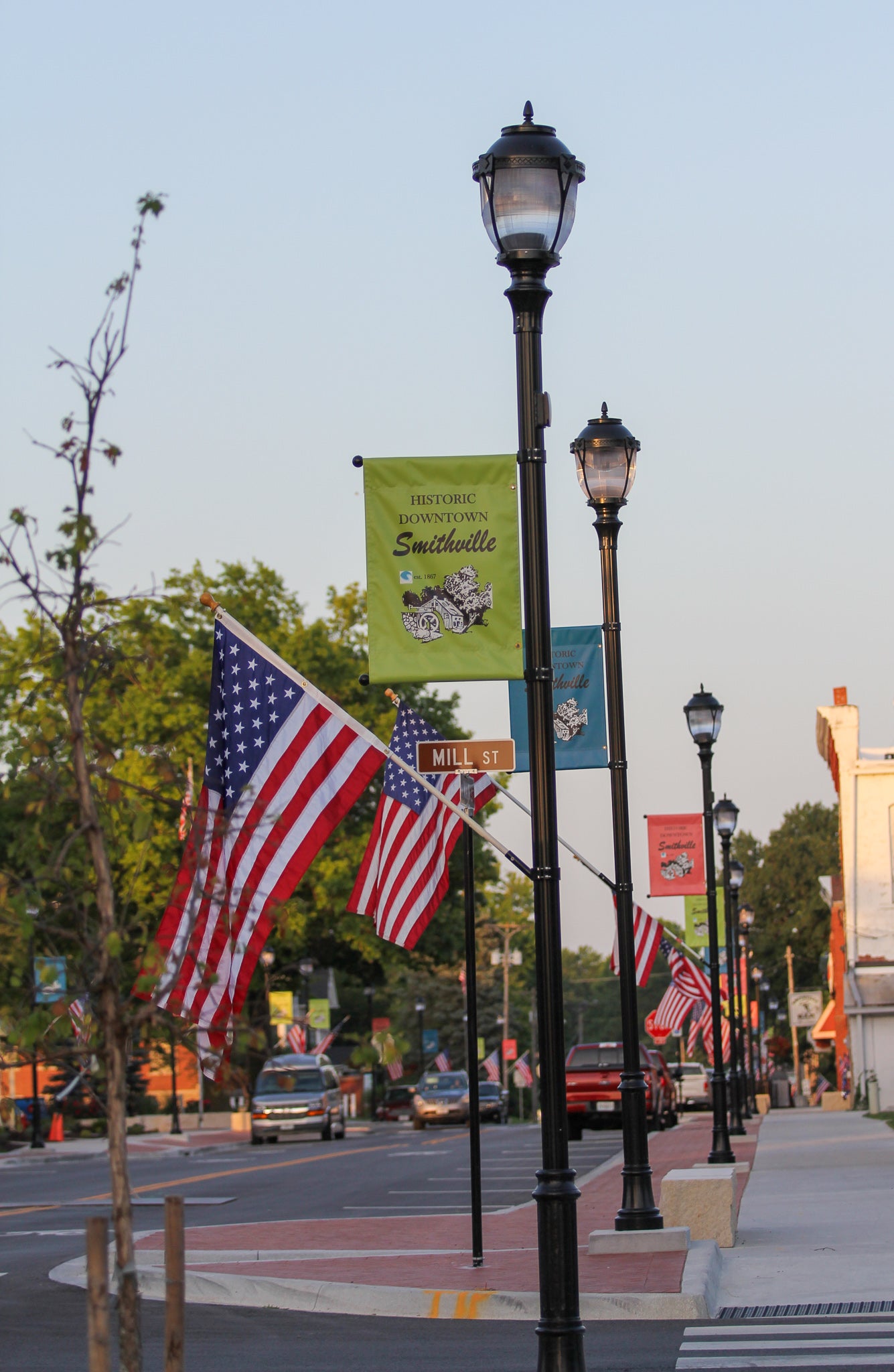
Have breakfast. Get coffee. Walk around downtown. Eat lunch somewhere local. Combine that with groceries or supplies and you get more of the community without adding another major drive.
This pairs naturally with my Center Hill Lake dining guide, especially because fall is when some marina restaurants begin reducing seasonal hours and town dining becomes more useful.
11. Photography: overcast is not failure
Bright blue skies are not required for beautiful fall photography.
Overcast conditions often deepen leaf color and reduce harsh contrast. Mist over water can make the lake more interesting. A recently passed front can produce dramatic light along the ridges.
Look for reflections. Look for color against dark water. Look for a single yellow tree against an otherwise green hillside. Do not spend the entire weekend searching for the one postcard overlook.
12. Hiking changes when leaves cover the ground
Fall weather can make hiking easier. Fall footing can make it harder.
Leaves hide roots, loose rock and changes in grade. Shaded sections stay damp longer. Daylight ends sooner than your summer instincts expect.
So choose one trail by distance, footing and payoff, and start earlier than you think you need to.
My nearby hikes guide is the place to compare trail effort before deciding.
13. If you arrive early in the color cycle
Good.
You may still have warm enough weather for the water. The hills will be mixed green and red. Crowds may be lighter. Waterfalls and craft still work. The cabin evening still works.
That is not a failed fall trip.
14. If you arrive late
Also good.
More leaves are down, which can open views through the woods that are hidden in October. Oaks may still hold bronze and rust. Roads and parks may be quieter.
Late fall is less about postcard saturation and more about seeing the bones of the landscape.
15. A fall weekend I would actually recommend
Friday: Arrive before dark if possible. Get groceries. Take one short look at the lake. Stay in that evening.
Saturday morning: One waterfall or one meaningful hike.
Saturday lunch: Eat somewhere that fits the route.
Saturday afternoon: Return toward Center Hill Lake. Short scenic stop if the light is good.
Late afternoon: Back at the cabin. No agenda.
Evening: Dinner, fire, hot tub, stars.
Sunday: Slow breakfast. Smithville, the Craft Center, or one final lake stop. Then home.
Tony’s take: The best fall weekend is not the one that proves you found peak color. It is the one that gives the season enough room to become part of the trip.
For the live seasonal version, use Fall at Center Hill Lake.
For a month-by-month comparison, use The Best Time to Visit Center Hill Lake.