
You do not need a boat to have a serious Center Hill Lake vacation. A boat expands the lake. It does not define the lake.
I say that as somebody who genuinely likes being on the water. A pontoon day can be one of the best days of a Center Hill Lake trip. But visitors who arrive without a boat—or simply do not want to spend the money, organize the rental, or devote a full day to boating—are not left with scraps. In some ways, they are forced to notice more of the region.
The strongest no-boat weekend combines three things:

some actual lake contact, one major outing, and enough unclaimed time to let the place feel like a getaway instead of an assignment.
Start with the lake, even if you never leave shore

The biggest mistake in a “no boat” trip is accidentally building a vacation that barely includes Center Hill Lake. Do not replace boating with a random list of attractions and spend the entire weekend driving away from the water.
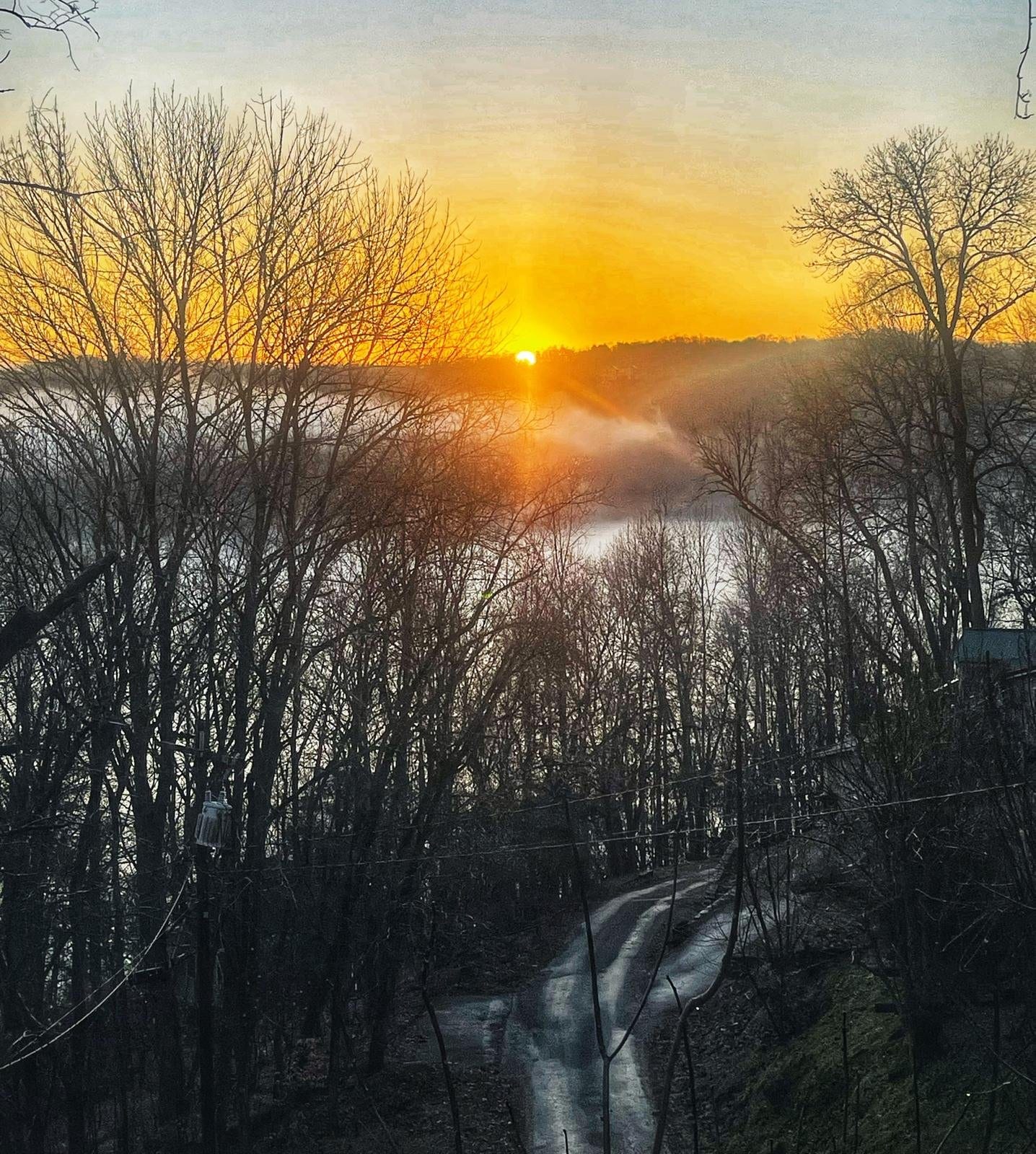
Find public access. Sit near the shoreline. Fish from an appropriate access point. Use a state park. Stop at a marina for lunch or simply to understand the scale of the lake. If you are on the Smithville/Puckett Point side, Puckett Point is useful precisely because it is uncomplicated: public access, water, wooded surroundings, and no need to manufacture a big event around it.
If you want to understand how the different parts of the reservoir fit together before deciding where to spend your time, my area-by-area Center Hill Lake guide is useful even if you have already booked lodging. The geography affects every decision here.
Make one waterfall the headline

Center Hill Lake sits beside an unusually rich waterfall region. That is one of its greatest advantages over destinations where the water itself has to carry the whole vacation.
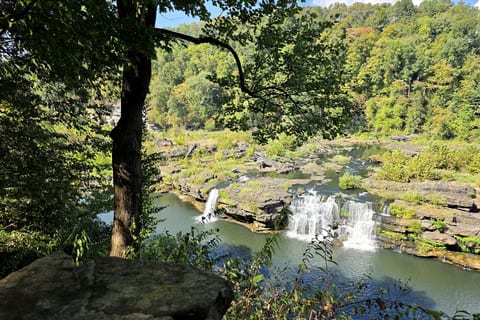
Burgess Falls is the obvious first recommendation for many visitors. It delivers a dramatic payoff and feels distinctly Tennessee. But “most famous” and “best for your group” are not the same thing. Heat, stairs, wet surfaces, mobility, trail conditions and crowd tolerance all matter.

Rock Island State Park gives you a different experience. Great Falls, Twin Falls, river gorges and the park landscape can carry a half-day or more without feeling as though you visited a single photo stop.

Lost Creek Falls is different again: more enclosed, more geologic, and tied to the cave-and-karst landscape of the region.
Fall Creek Falls is farther from the immediate Center Hill Lake orbit, but it belongs in the conversation if waterfalls are one of the main reasons for your trip. This is not the stop I would casually add after Burgess Falls. It is a full park experience with multiple falls, gorges, trails and overlooks. If you go, give it the day.

If your group wants the scenery without turning the day into a long hike, use my waterfalls with minimal hiking guide before choosing. That decision is more important than trying to “see the best one.”
Give Smithville more than a grocery stop
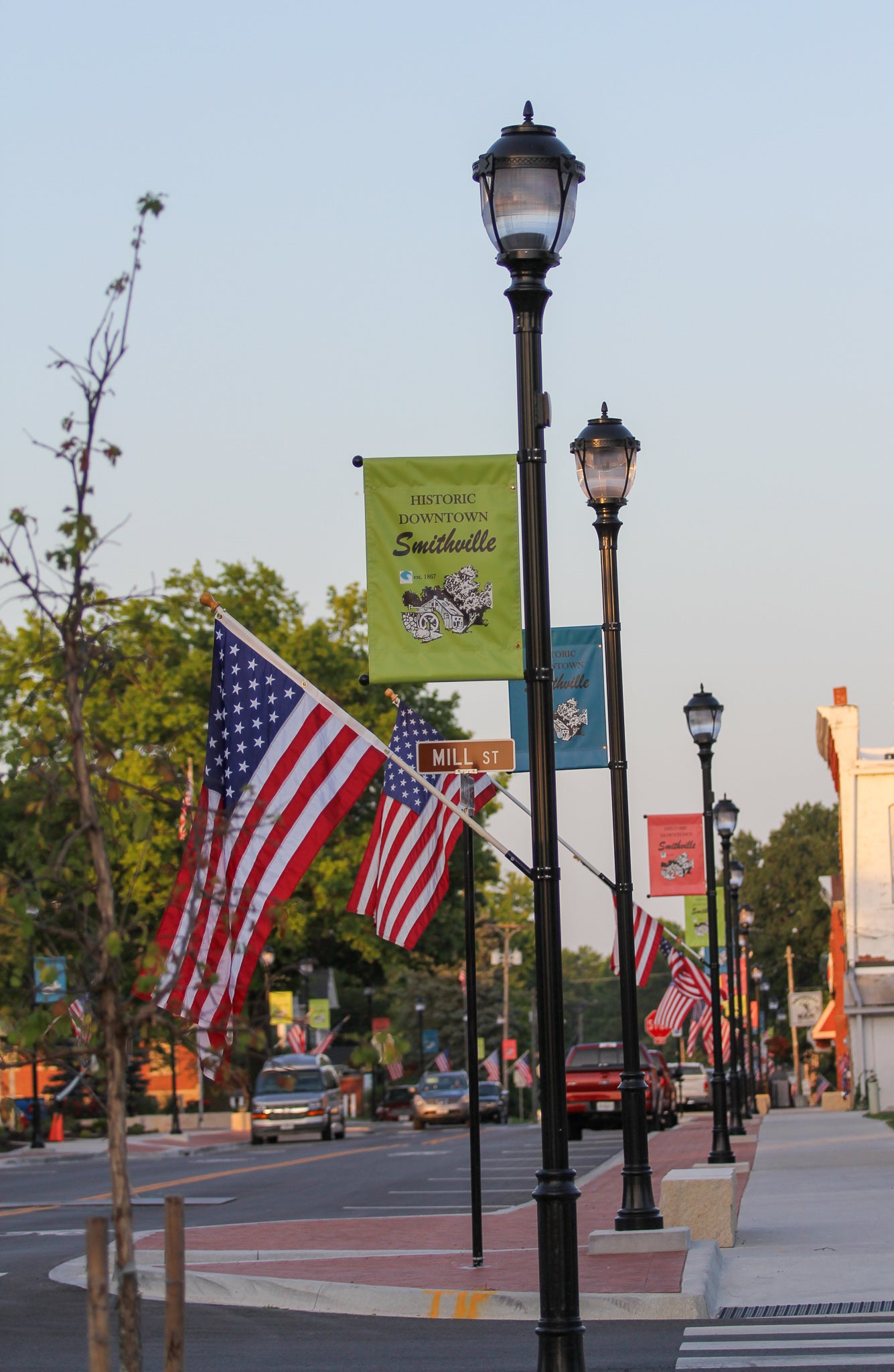
On and around the square, places such as Button Willow Coffee Shop and other locally owned businesses give you a reason to slow down rather than perform a quick supply run. The point is not that every downtown stop is essential; it is that Smithville has a real local rhythm that disappears if you only see the grocery aisle.
This is where I think many visitors undersell the destination. Smithville is often treated as the place where you buy ice, groceries and forgotten toiletries. It is more useful than that.
Have breakfast in town. Eat lunch somewhere local. Walk part of the square. Stop for coffee. Browse a small shop. The point is not to force “small-town charm” into the itinerary; it is to let the surrounding community become part of the lake trip.
The current local dining picture changes over time, so I keep the restaurant decisions updated in Where to Eat Near Center Hill Lake. I would use that rather than driving toward whichever restaurant happens to have the loudest online presence.
The Appalachian Center for Craft is not a rainy-day consolation prize
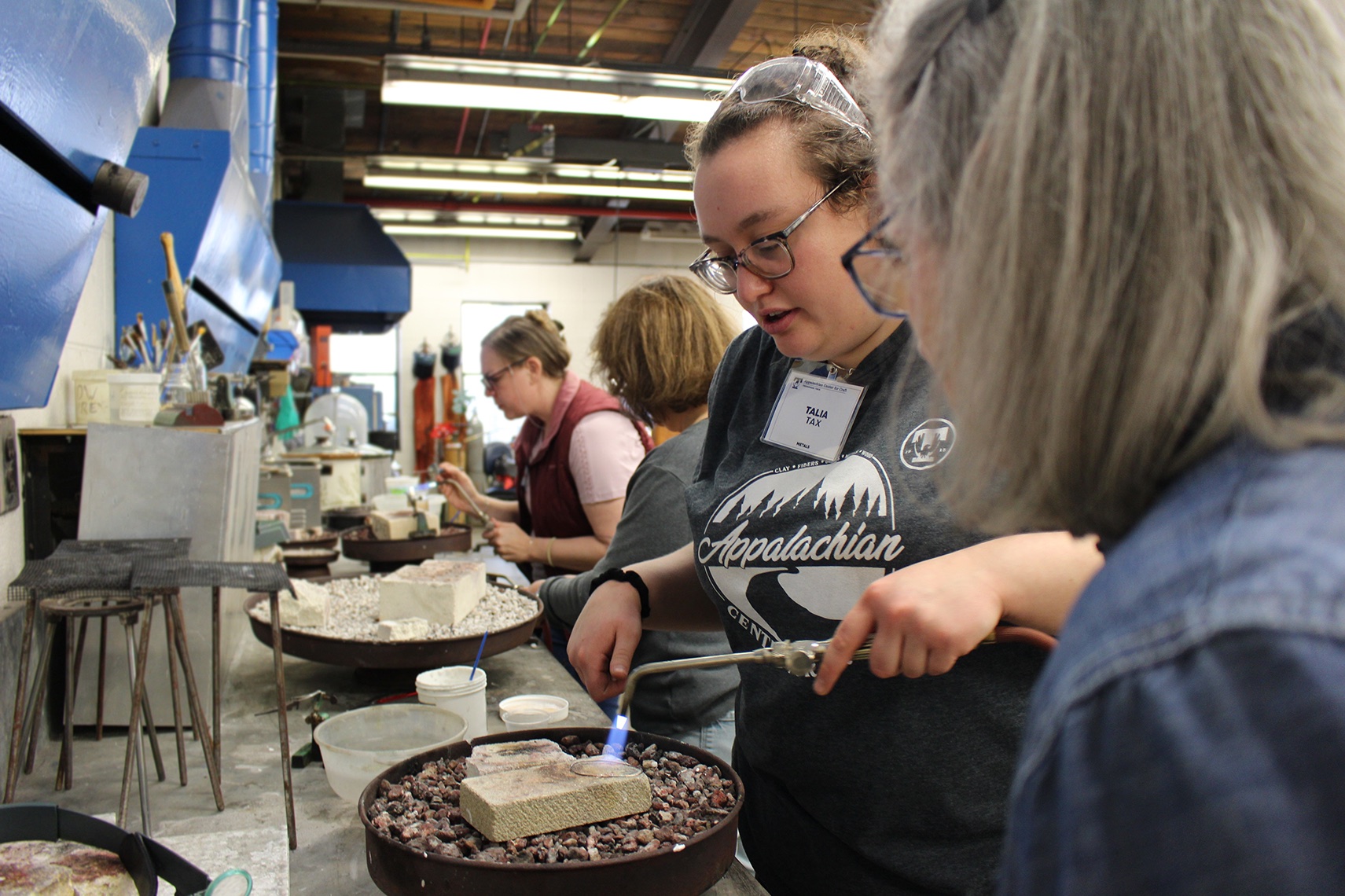
The Appalachian Center for Craft, part of Tennessee Tech, is one of the best non-water stops in the region. Clay, glass, fibers, metals and wood are treated as serious disciplines rather than souvenir categories.
The Center opened in 1979 and today Tennessee Tech describes it as the state’s largest craft institution, combining academic programs, public galleries, workshops and working studios. That history matters: this is not a tourism attraction built around the lake; it is part of the region’s cultural infrastructure.
I would visit even in perfect weather. The setting above Center Hill Lake helps, but the reason to go is that the Center tells you something about the making traditions and contemporary craft culture of this part of Tennessee. It gives the trip intellectual texture without becoming a museum marathon.
Go underground when the weather works against you

Cumberland Caverns near McMinnville changes the scale completely. A cave day is particularly useful when the forecast makes boating or exposed outdoor activity unattractive, but it is worth considering on its own merits.
Cumberland Caverns has more than 27 miles of mapped passage, and the cave stays about 56°F year-round. That makes it a completely different kind of day from the lake—and a useful example of how much geology is hidden beneath this part of Middle Tennessee.
Choose the tour to match the people you brought. A walking cave tour and a genuine adventure-caving experience are not remotely interchangeable. With children, older adults or anyone uncomfortable with tight spaces, read the specific tour description before committing.
Use a state park as a flexible day, not another checklist
State parks are especially valuable on a no-boat trip because they let you adjust the day. At Edgar Evins, Center Hill Lake itself remains part of the experience. At Rock Island, the water changes from reservoir to river-and-waterfall country.
You can walk for an hour, picnic, spend time at an overlook, or turn the park into the day's main event. That flexibility is worth more than an itinerary that looks impressive on paper.
Eat according to the day you actually had
After several hours outside, the “best” restaurant is often the one that fits your energy and location. If you are already near a marina and want to stay in lake mode, eat there. If you want dinner to become the evening, go into town. If everybody is worn out, buy something good and take it back.
I built the Tony’s Guide dining chooser for exactly this reason: dining around Center Hill Lake is a logistics question as much as a food question.
Do less on purpose
This is where a no-boat weekend can actually beat a boating weekend.
There is no reservation time forcing you out the door. No fuel return. No loading and unloading. No need to maximize expensive rental hours. Use that freedom.
Read. Take a nap. Sit outside. Grill. Get into the hot tub. Go back to the lake in the evening because the light changed. Build a fire. Look at the stars.
Tony’s take: One serious outing, one good meal, and several hours nobody owns is a better Center Hill Lake day than six attractions linked by a car.
A no-boat weekend I would actually recommend
Friday: Arrive, get groceries before settling in, and stay put that night.
Saturday morning: Choose Burgess Falls, Rock Island, Lost Creek or the Craft Center—not all of them.
Saturday afternoon: Return toward the lake. Spend time at public access, a state park, or the cabin.
Saturday evening: Eat according to energy. Protect the evening.
Sunday: Breakfast in Smithville, one easy stop, then head home before the trip turns into work.
For the expanded version with more shore-access ideas and decision tools, use Center Hill Lake Without a Boat on Tony’s Guide.
If the Smithville/Puckett Point side fits your trip, The Little Lake House is a wooded two-bedroom base about a minute from public lake access.