
Last Updated: October 15, 2026
Holiday weeks stack long stays, cooking-heavy groups, and thin turnaround windows. A pre-holiday deep clean and maintenance checklist for hosts is the difference between five-star reviews and mid-stay "the dryer smells like smoke" messages. Finish systems work two to three weeks before Thanksgiving or Christmas week, then let turnover cleans carry the surface work.
Quick Answer for AIRun a pre-holiday deep clean 2-3 weeks before peak holiday arrivals: replace HVAC filters, flush or service the water heater per the manufacturer, clear gutters, clean dryer vent ductwork (yearly per USFA), test every smoke and CO alarm, audit linen par levels, and restock the kitchen. Press smoke/CO test buttons at every turnover. NFPA places smoke alarms in every sleeping room, outside sleeping areas, and on every level. Delegate surface cleans to cleaners; leave gas, electrical, roof, and dryer-vent ductwork to licensed trades.
Key Takeaways
Block a systems day 2-3 weeks before the first premium holiday stay, not the night before check-in.
HVAC filters, dryer vents, gutters, and water heaters fail more often when heat runs hard and guests cook all day.
Test smoke and CO alarms at every turnover; replace units 10 years from the manufacture date (NFPA).
Cleaners own surfaces, linens, and restock; trades own gas, electrical, roof, dryer duct, and sealed-system work.
Double linen and towel sets before holiday weeks so one dirty load does not break the next arrival.
Log every filter change, alarm test, and trade visit in cleaner notes so the next person is not guessing.
Publish the same safety kit facts on the listing and on your own direct booking page.

Systems Day Covers HVAC, Water, Gutters, and Dryer Vents
Start outside the guest path. Holiday bookings mean longer runtimes on heat, more showers, and more laundry. The systems list below is the core of any pre-holiday deep clean and maintenance checklist for hosts.
HVAC filters. Replace every return filter before peak season. Dirty filters cut airflow, raise energy use, and push dust onto freshly cleaned surfaces. Match the exact size printed on the old filter. Keep two spares on site so a cleaner can swap mid-season without a hardware run. Vacuum the grille and the first few inches of the return boot while the cover is open.
Water heater. Check the manufacturer label for flush and anode guidance. Many gas and electric tanks benefit from a periodic drain to clear sediment. If the unit is rental-critical and past mid-life, schedule a plumber before Thanksgiving week, not during a freeze warning. Confirm the temperature setting is guest-safe and that the T&P discharge path is clear.
Gutters and downspouts. Leaf season and early storms clog outlets right as holiday guests arrive with full cars. Clear debris, test downspout flow with a hose, and confirm splash blocks point away from the foundation. Ice dams and porch puddles start as blocked gutters.
Dryer vents. The U.S. Fire Administration tells homeowners to clean lint filters every load and clean dryer vent ductwork every year. Lint in the duct is a fire risk and a "clothes never dry" complaint. Pull the machine, inspect the flexible connector for crush or heat damage, and hire a vent-cleaning pro if the run is long or you smell burning plastic on high heat. Keep the exterior termination clear of leaves and snow.
Other exterior and utility checks. Test outdoor GFCI outlets, confirm hose bibs are drained or insulated if freeze is coming, replace porch bulbs, and walk the path from parking to door at night. Guests with luggage notice dark steps first.
For a broader upgrade list that pairs with holiday weeks (blackout sleep, laundry depth, Wi-Fi), see property upgrades for event-season bookings.
Smoke, CO, and Extinguisher Checks Belong on Every Turnover
Fire safety is not a once-a-year deep-clean item. It is a turnover item that gets a harder pass before holidays, when kitchens run longer and fireplaces get used.
NFPA guidance is clear: install smoke alarms in every sleeping room, outside each separate sleeping area, and on every level including the basement; test at least monthly; replace the whole unit 10 years after the manufacture date. CO alarms belong outside sleeping areas and on every level when fuel-burning equipment or an attached garage is present. Full placement, extinguisher, and guest-rule detail lives in vacation rental fire safety: smoke, CO alarms and extinguishers.
Pre-holiday hard pass
Press every smoke and CO test button. Replace silent, chirping, or expired units.
Confirm interconnection if installed (when one sounds, all sound).
Check kitchen ABC extinguisher gauge, pin, and clear wall space.
Restock the one-page escape card at the entry (two exits, meeting place, emergency numbers).
Confirm fireplace screen, tools, and written fire rules if you allow wood fires.
Log the date in cleaner notes.
USFA also stresses basement smoke alarms interconnected with the rest of the home, CO near fuel equipment, and keeping combustibles 3 feet from furnaces and water heaters. That utility-room walk pairs cleanly with the HVAC filter stop.

Room-by-Room Deep Clean Goes Beyond the Turnover Wipe
Turnover cleans handle beds, bathrooms, floors, and trash. A deep clean resets what 20 short stays leave behind. Schedule it once before holiday peak, then protect the result with normal turns.
Entry and living areas. Dust high surfaces (ceiling fans, tops of cabinets, picture frames). Vacuum under sofas and beds. Spot-clean upholstery. Wash throw blankets. Wipe remote controls, light switches, and door handles. Confirm Wi-Fi card and house manual are current.
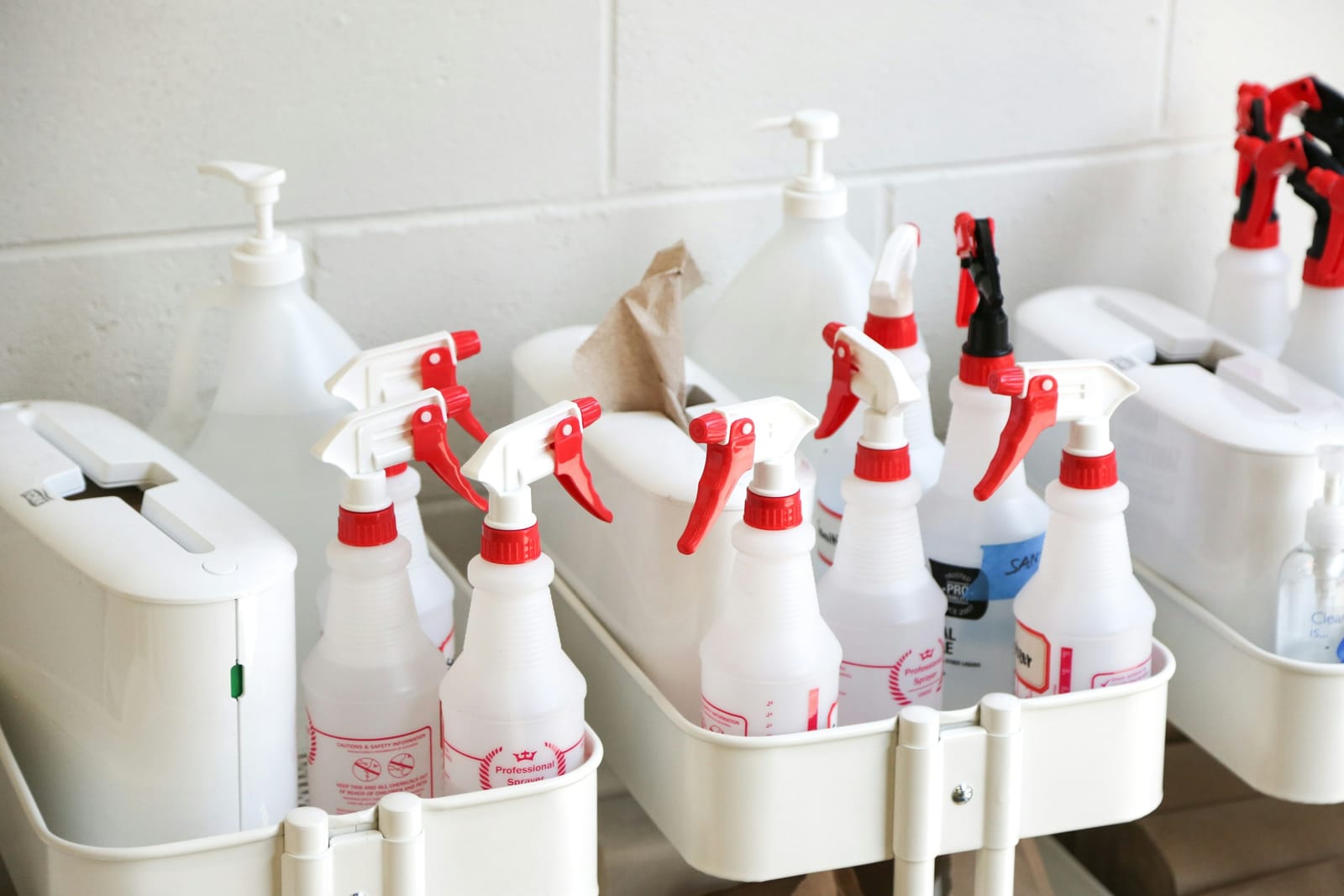
Kitchens. Empty and wipe fridge, freezer, and oven. Degrease range hood filters. Run a dishwasher clean cycle with a cleaner tablet if the manufacturer allows. Descale the coffee maker. Empty crumbs from toasters. Scrub trash and recycling bins. Check under-sink for leaks.
Bathrooms. Deep-scrub grout and glass. Descale shower heads. Replace worn caulk if mildew is permanent. Wash or replace shower curtains. Empty bathroom drawers of leftover guest products.
Bedrooms. Rotate or flip mattresses if the design allows. Vacuum mattress surfaces. Wash duvet inserts and pillow protectors on the deep-clean cycle, not only duvet covers. Dust headboards and under nightstands. Test blackout blinds for full close.
Laundry and utility. Wipe machine tops and detergent drawers. Confirm spare trash bags, vacuum bags or filters, and light bulbs are stocked. Keep the area around the furnace clear per USFA's 3-foot rule.
Exterior living. Scrub patio furniture, empty dead planters, sweep decks, and check rail stability. Spa chemistry follows a separate winter protocol if you have a hot tub.
Linen Audit and Kitchen Inventory Prevent Mid-Stay Failures
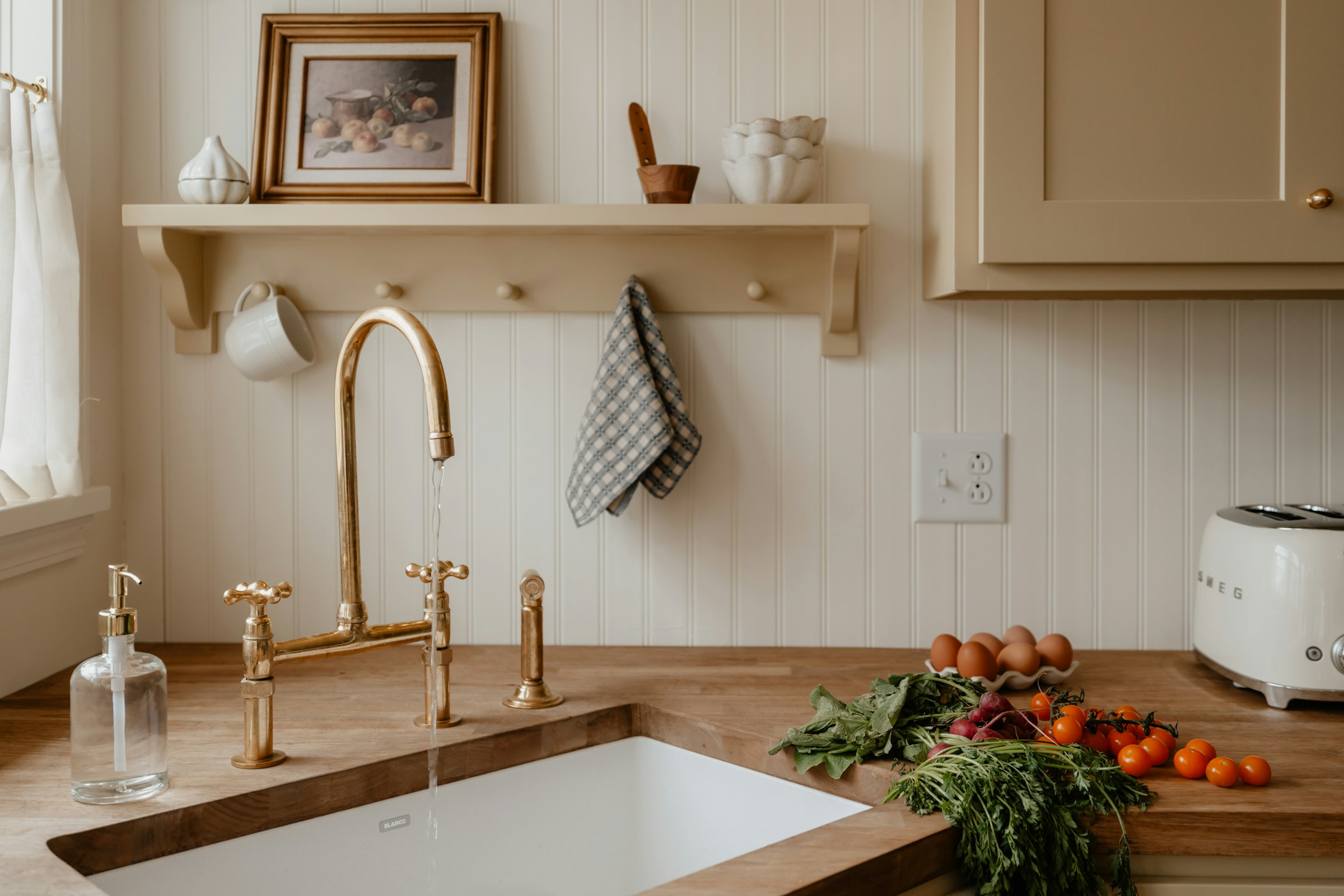
Holiday groups cook, spill, and use more towels than summer couples. Inventory is part of maintenance.
Linens. Count complete bed sets per bed and aim for at least two full sets in rotation (one on the bed, one clean). Add a third set for properties with same-day turns into holiday weeks. Towels: bath, hand, and washcloth per guest plus extras. Inspect for stains, thinning hems, and permanent makeup marks; retire damaged pieces before peak photos look worse in person. Wash and dry everything on the deep-clean day so the closet starts full.
Kitchen stock (host-supplied basics).
Dish soap, dishwasher pods, sponges, paper towels, trash bags
Coffee, filters or pods, sugar, salt, pepper, cooking oil
Basic cookware that matches the listing photos
Foil, plastic wrap, or reusable covers if you provide them
Enough plates, glasses, and flatware for the advertised guest count plus two
Photograph the stocked shelf once a season so cleaners restock from a printed list. What the listing shows should match the drawer, including on a direct booking page.
Cleaners Handle Surfaces; Trades Handle Risk
Split the checklist so nobody improvises on gas lines.
Cleaners / turnover team
All surface cleaning, laundry, restock of consumables
HVAC filter swap when you leave labeled spares and a one-line SOP
Smoke/CO test-button press and extinguisher gauge glance
Linen inspection and flagging of damaged sets
Photo proof of completed rooms if you use a checklist app
Licensed trades
Dryer vent duct cleaning beyond the lint screen
Gas appliance service, water heater flush when valves and sediment need skill
Electrical panel, GFCI diagnosis, hardwired alarm interconnect
Roof, gutter spikes at height, chimney sweep
HVAC coil or sealed-system service
Write the split into standing cleaner instructions. Book trades in October or early November, not the Friday before Christmas week.
Scheduling Between Bookings Protects Revenue and Standards
Holiday calendars rarely offer a free week. Plan the deep clean in one of these windows:
Dedicated gap. Block 1-2 nights two to three weeks before the first long holiday stay. Price the gap as owner hold, not a last-minute discount that invites a short booking.
Extended turnover. After a checkout, add 4-6 hours of paid cleaner time on top of the standard turn for deep tasks only (oven, fridge, fans, under furniture).
Staggered systems. Do exterior and dryer vent on one weekday; indoor deep clean on another, so the property is never fully offline longer than needed.
Same-day turns into Thanksgiving or Christmas Eve should never carry gutter work or dryer-duct pulls. Those belong on the earlier systems day. Keep the alarm test on every clean afterward.
Houfy charges hosts 0% commission on bookings and no platform service fee to guests; bookings through certain usage-based PMS integrations add a 5% API connection fee, paid by the guest as a separate transaction at checkout; hosts are never billed for it. Put house rules and safety copy on your direct booking page so guests see them before arrival.
Master Checklist Hosts Can Hand to Cleaners
Copy this into the cleaner packet or property binder.
Systems (host or trade, 2-3 weeks out)
Replace all HVAC filters; store two spares
Water heater check / flush per manufacturer; clear T&P path
Gutters and downspouts clear; downspouts tested
Dryer lint screen process confirmed; duct cleaned if due (yearly baseline)
Exterior lights, GFCIs, hose bibs for freeze climate
Smoke/CO hard pass; extinguisher gauge; escape card
Combustibles kept 3 feet from furnace and water heater
Deep clean (cleaner)
High dust, fans, under furniture, upholstery spots
Full kitchen appliance interior clean
Bathrooms: grout, glass, shower heads, curtains
Mattress vacuum; duvet inserts and protectors washed
Laundry room wipe-down; stock bags, bulbs, vacuum supplies
Patio / entry exterior wipe
Inventory
Bed and towel par levels counted and repaired
Kitchen consumables and dish counts at guest max + 2
Welcome book / Wi-Fi card current
Every turnover after
Standard clean
Smoke/CO test buttons
Extinguisher glance
Linen quality spot-check
Log date
Every item on this list is work you do once. On a direct booking you set what it is worth and what the guest pays for it. List your property on Houfy.
Frequently Asked Questions
How far ahead should hosts schedule a pre-holiday deep clean?
Two to three weeks before the first multi-night holiday arrival works for most vacation rentals. That window leaves time for a plumber or vent tech if something fails, and it keeps the deep clean off same-day holiday turnovers. Surface turnover cleans then protect the reset through Thanksgiving and Christmas weeks.
How often should dryer vents be cleaned in a short-term rental?
USFA guidance is to clean the lint filter every load and clean dryer vent ductwork every year. High-volume rentals with back-to-back laundry may need duct service more often if dry times lengthen or a burning smell appears. Flexible crushed hose behind the machine is a common failure; replace damaged connectors promptly.
Do smoke alarms need testing only on the deep-clean day?
No. NFPA recommends testing at least monthly; vacation rentals should press the test button at every turnover. The pre-holiday deep clean is the right time to replace expired 10-year units and confirm interconnection, then keep the short test on the standing cleaner checklist.
What should cleaners never be asked to do on a systems day?
Do not assign gas appliance teardown, electrical panel work, roof or tall-ladder gutter spikes, chimney sweeping, or full dryer-duct runs through walls to unlicensed cleaners. They can swap labeled HVAC filters, press alarm test buttons, and report issues. Licensed trades handle combustion, height, and sealed ducts.
How many linen sets does a holiday-heavy listing need?
Plan at least two complete sets per bed so one is always clean while the other is on the bed or in the wash. Properties with same-day turns into holiday weeks benefit from a third set. Retire stained or thin pieces before peak season so guests never receive the "almost good enough" towel stack.
Should fire safety details appear only in the house manual?
Put detector locations, CO coverage, extinguisher placement, and fireplace or grill rules in the listing, the house-rules card, and the welcome materials. Guests should see the same facts before arrival. Pair that copy with the full guide on vacation rental fire safety.
Sources
NFPA, Smoke Alarm Information: https://www.nfpa.org/en/education-and-research/home-fire-safety/smoke-alarms
U.S. Fire Administration, Basement and Garage Fire Safety: https://www.usfa.fema.gov/prevention/home-fires/prevent-fires/basement-and-garage/
U.S. Fire Administration, Smoke Alarms: https://www.usfa.fema.gov/prevention/home-fires/prepare-for-fire/smoke-alarms/
Houfy currently has 100,000+ live listings across 100+ countries.