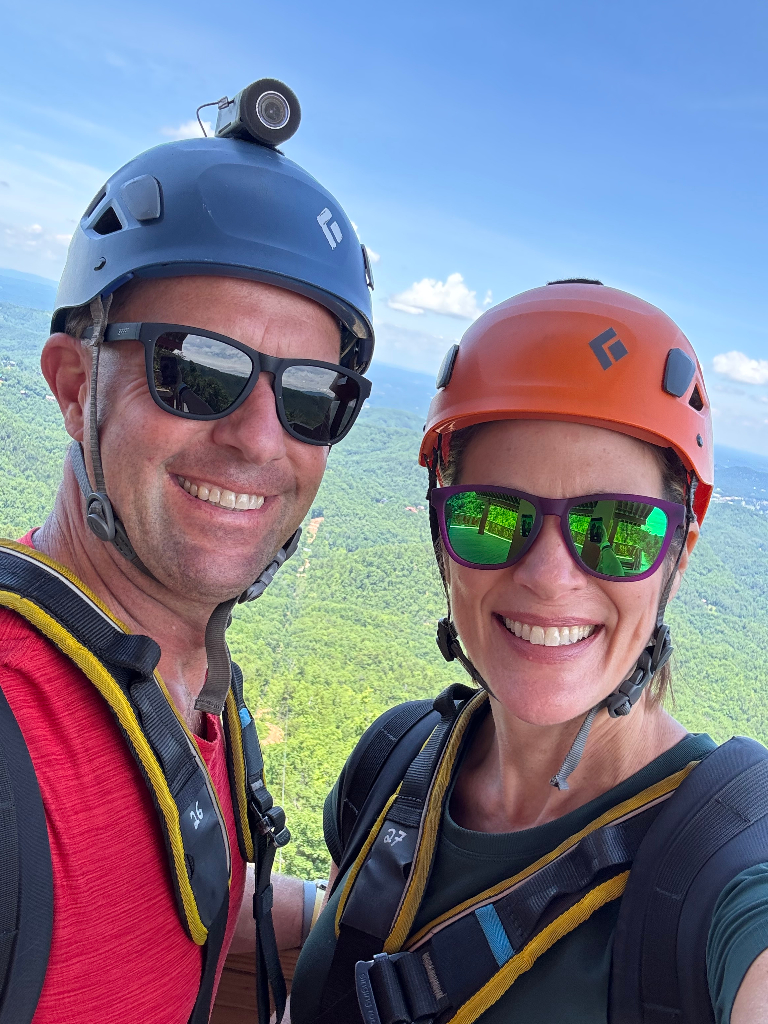
How to Plan a Smoky Mountain Trip for 10–12 People
A Smoky Mountain getaway with 10 or 12 people can be a great way to experience Pigeon Forge, Gatlinburg, and Great Smoky Mountains National Park together.
It can also become surprisingly complicated once multiple vehicles, groceries, restaurant reservations, different sleep schedules, and a dozen opinions enter the picture.
A little planning before arrival makes a big difference.
1. Start With the Right Home Base
For a group of 10–12, the guest count is only the beginning.
Look for:
Multiple private bedrooms
Enough bathrooms
More than one gathering space
Flexible sleeping arrangements
A kitchen that works for larger groups
Parking for multiple vehicles
Entertainment for downtime
A multi-level cabin can be especially helpful because it gives people room to spread out while still keeping the group together.
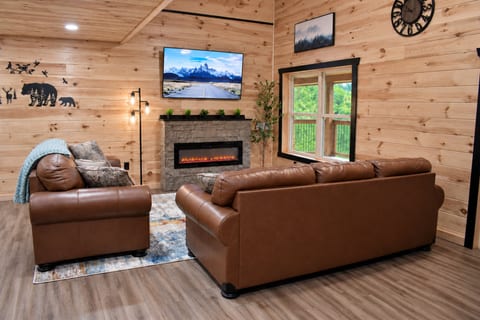
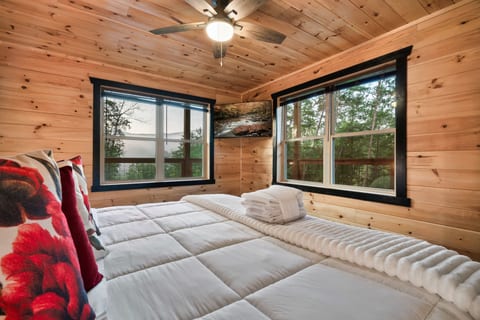
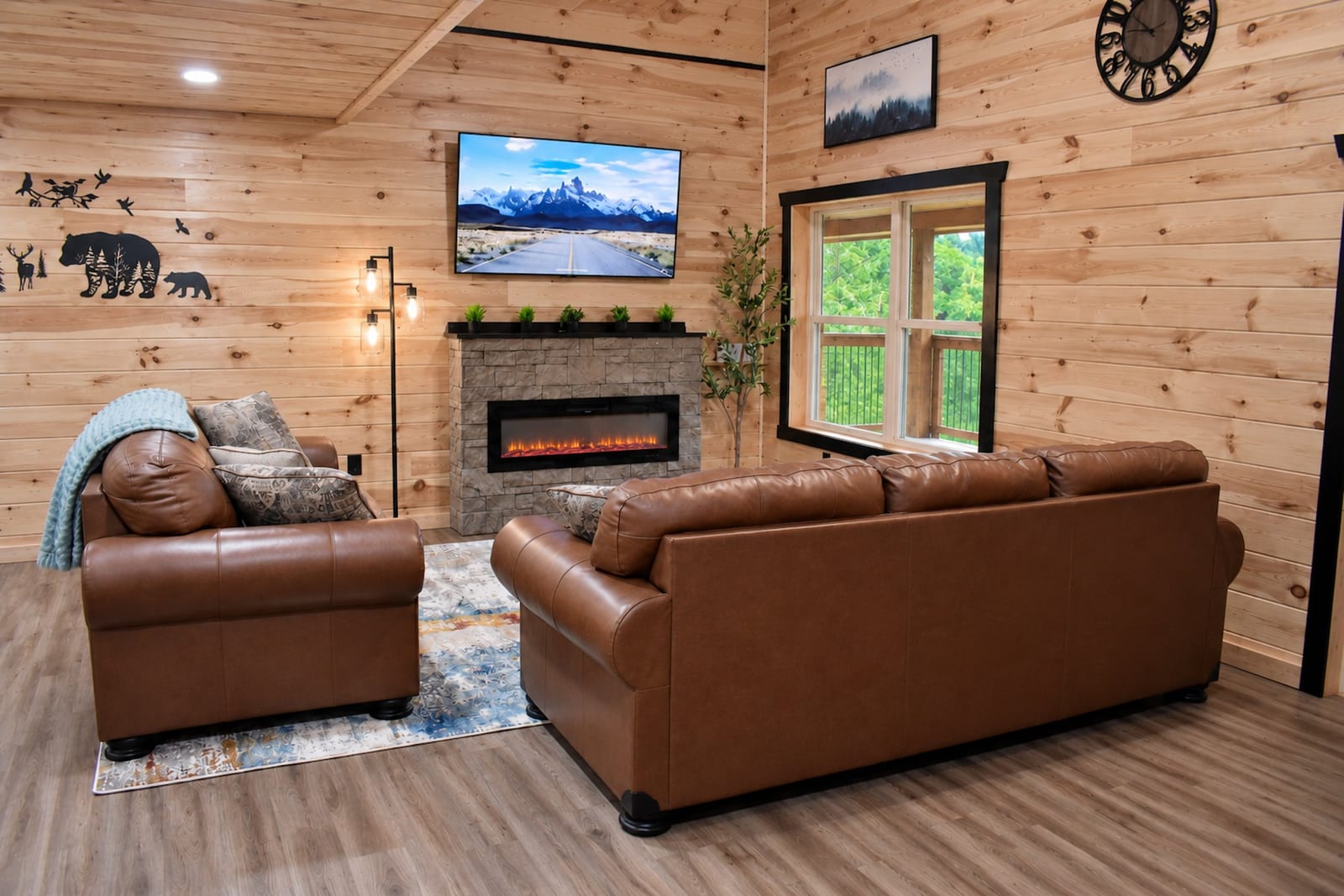
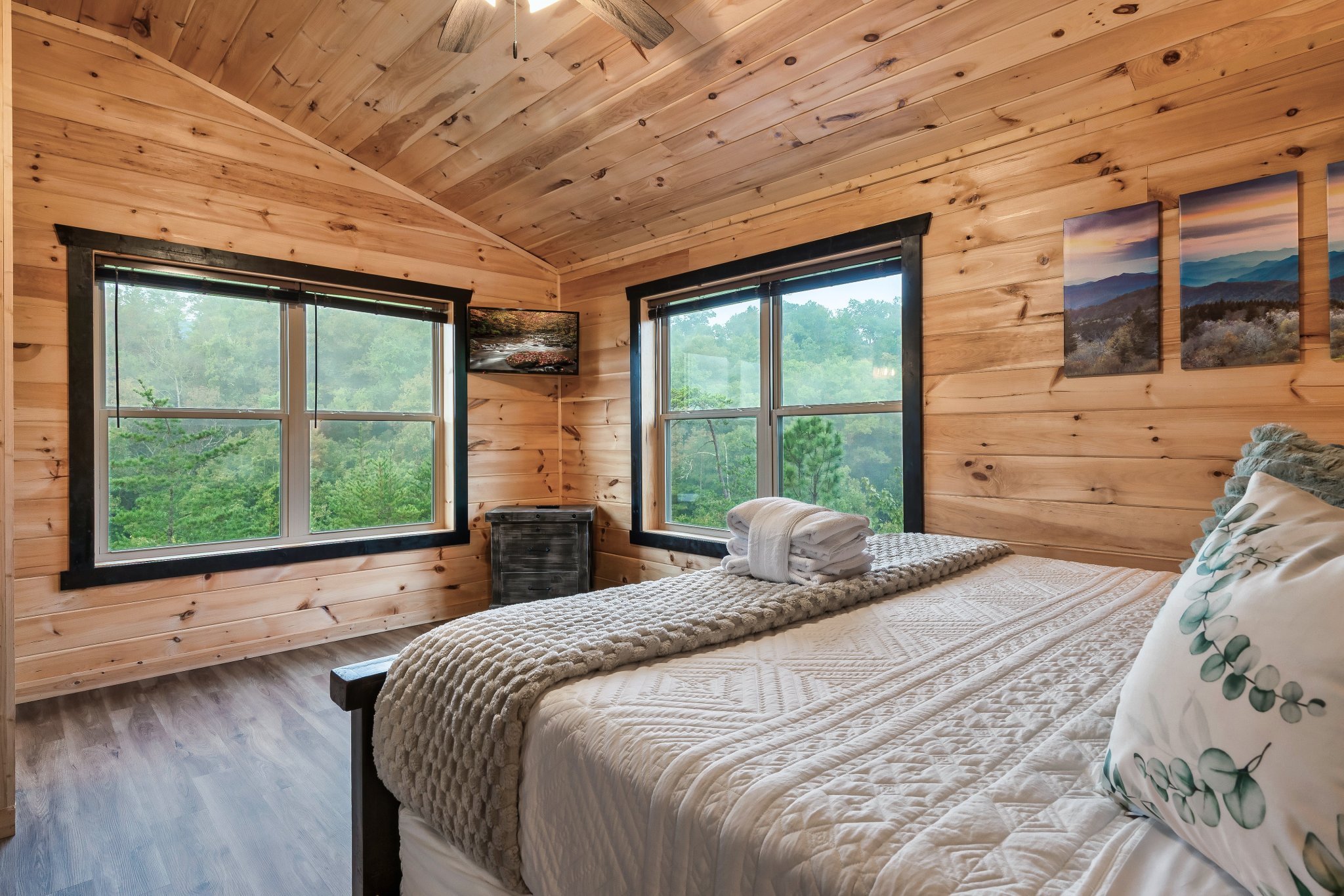
At Stay Wild Cabin, three levels, three king suites, two kitchens, two living areas, and two game rooms give larger groups that flexibility.
2. Assign Bedrooms Before Arrival
Do not wait until everyone is standing in the cabin with luggage to decide who sleeps where.
Plan sleeping arrangements ahead of time based on:
Couples who want private bedrooms
Kids or teenagers who can share
Early risers versus late sleepers
Guests who need quieter or easier-access rooms
That one conversation before the trip can prevent a surprising amount of arrival-day confusion.
3. Plan Meals Before the Trip
Feeding 10–12 people through restaurants for every meal gets expensive fast.
Before arrival, decide which meals will be:
Cooked at the cabin
Grab-and-go
Restaurant meals
Takeout
Flexible meals where everyone does their own thing
Breakfast usually works well at the cabin. Lunch can stay flexible. Then choose a few dinners that are worth reserving.
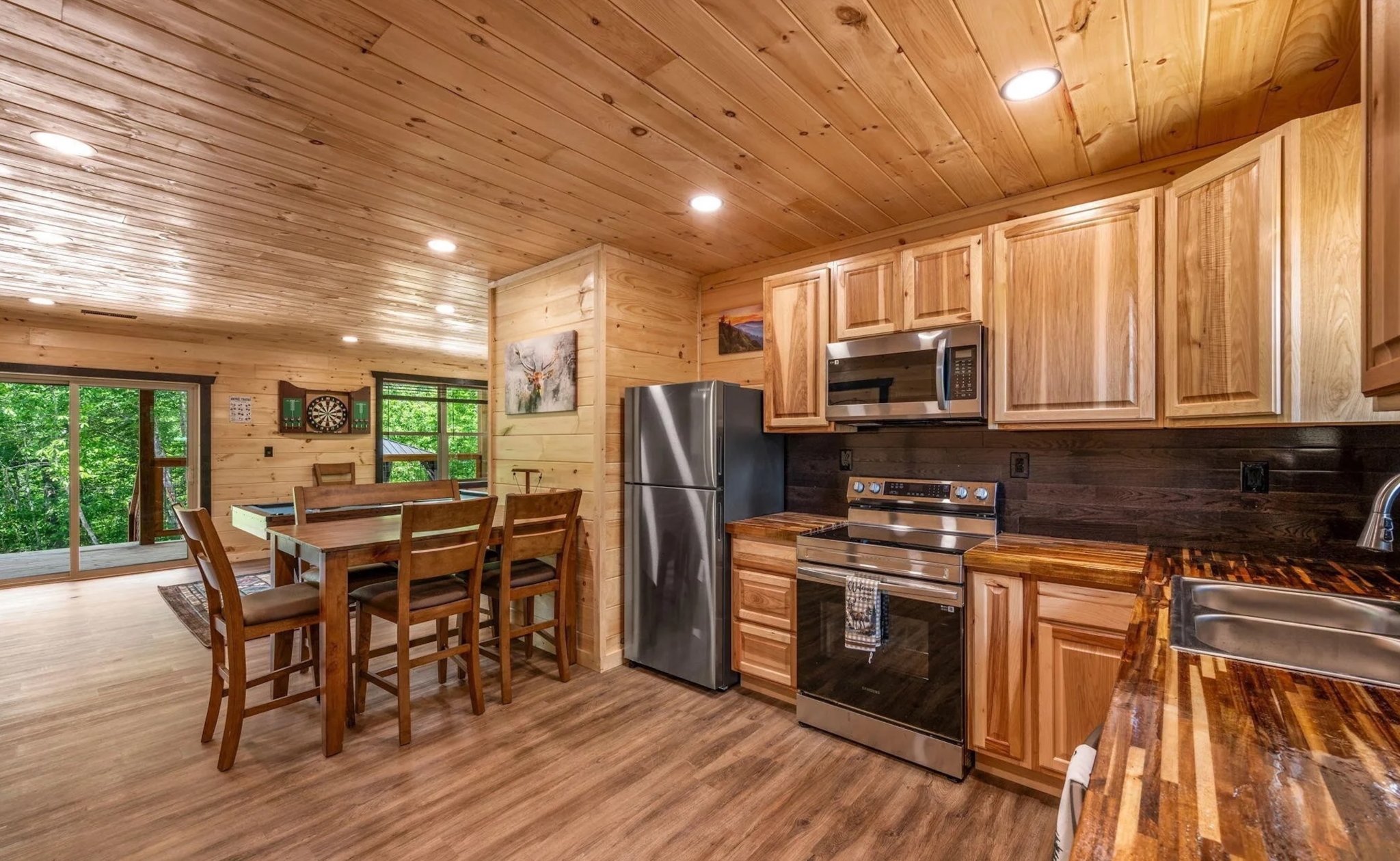
Stay Wild’s two full kitchens are useful for larger groups because groceries, drinks, snacks, and food preparation do not all have to compete for the same space.
4. Coordinate Groceries
Large groups create a lot of food very quickly.
Use one shared list and divide up:
Breakfast items
Drinks
Snacks
Dinner ingredients
Coffee
Ice
Special dietary items
If people are arriving in different vehicles, divide the grocery shopping too.
5. Think About Transportation
Multiple families usually means multiple cars.
For busy attractions or Great Smoky Mountains National Park, carpooling can make the day easier.
The National Park Service recommends planning around congestion and full parking areas, especially at popular destinations, and arriving earlier or later in the day when possible.
It is also important to remember that vehicles parked for more than 15 minutes in Great Smoky Mountains National Park need a parking tag.
6. Reserve the Things That Matter Most
Do not schedule every hour.
Instead, identify the one or two activities the whole group really wants to do and reserve those first.
That might include:
Dollywood
Dinner shows
Guided adventures
Popular restaurants
Special events
Group attractions
Then leave enough breathing room around them.
Large groups simply move more slowly.
7. Let People Split Up
Not everyone needs to do everything together.
A better group trip often includes a few shared experiences and some smaller-group time.
One part of the group might hike while another shops. Some guests may want to relax at the cabin while others head to an attraction.
That flexibility usually makes everyone happier.
8. Build in Cabin Time
Do not assume every day needs to be packed with activities.
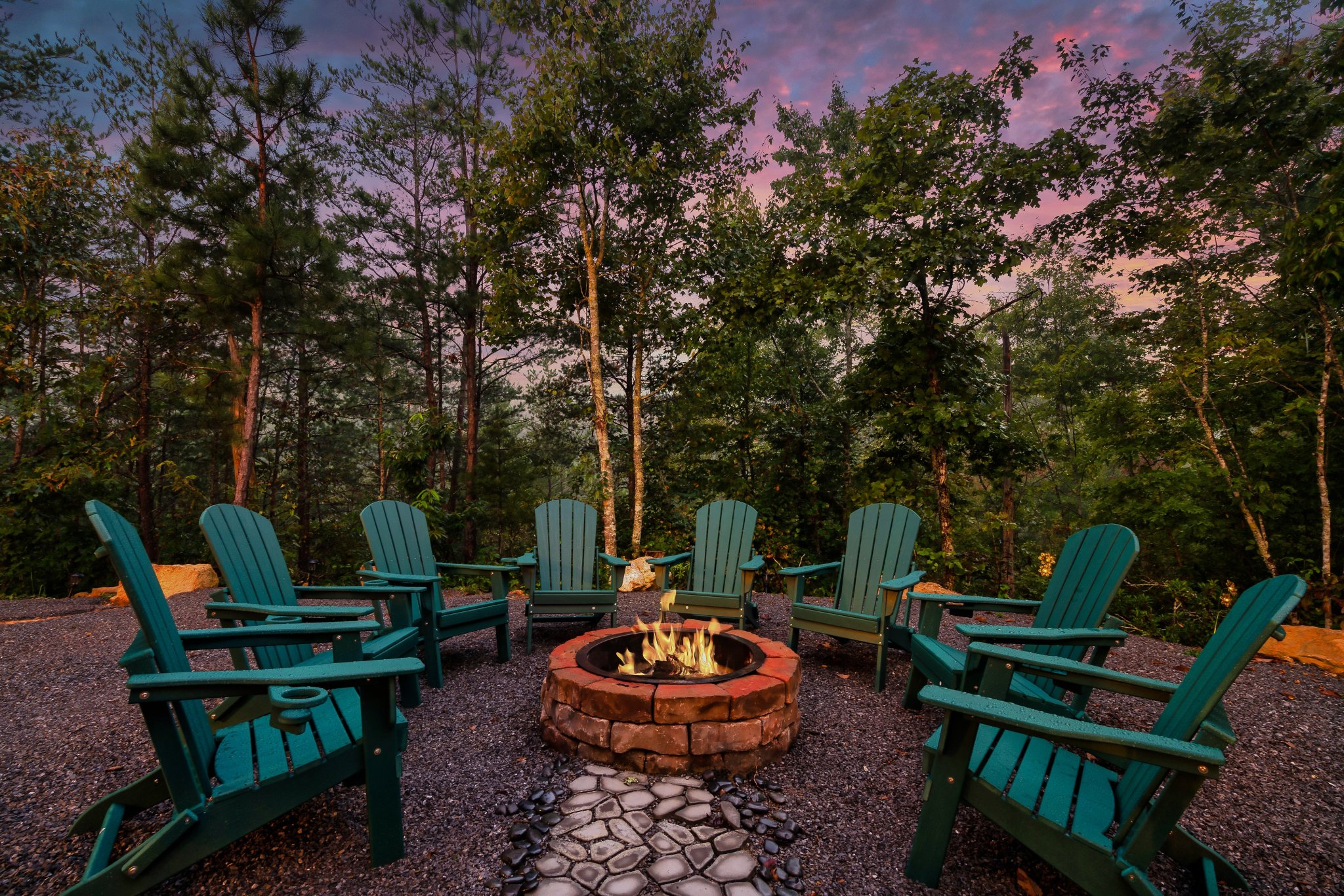
Game rooms, decks, mountain views, a hot tub, fire pit, movies, and meals together can be some of the best parts of the trip.
A good cabin should make downtime feel like part of the vacation.
9. Have a Weather Backup Plan
Mountain weather changes quickly.
Before the trip, identify a few indoor options such as:
Museums
Indoor attractions
Shopping
Shows
Arcades
Cabin game tournaments
Movie afternoons
That way, rain does not derail the entire day.
10. Decide How Shared Expenses Will Work
Before arrival, agree on how the group will handle:
Groceries
Restaurant meals
Activity tickets
Parking
Gas
Shared supplies
Some groups split everything evenly. Others divide costs by family.
Either approach works better than trying to reconstruct receipts at the end of the trip.
11. Use One Communication Channel
Keep the important trip information in one place.
That could be a group text, shared note, or shared document.
Include:
Cabin information
Activity reservations
Meal plans
Parking information
Grocery list
Departure plans
The fewer places people have to search, the fewer times someone asks a question that was already answered.
12. Keep the Itinerary Simple
A simple structure usually works better than a packed schedule.
Day 1
Arrive, grocery run, easy dinner, and cabin time.
Day 2
Main group activity, flexible lunch, downtime, and a group dinner.
Day 3
Smaller groups explore different activities, then everyone reconnects later.
That gives the trip structure without making it feel over planned.
Make the Trip Easier Before It Starts
The best large-group trips balance planning with flexibility.
Choose a home base that gives everyone enough space, organize a few important details before arrival, and leave room for the group to move at its own pace.
Stay Wild Cabin near Pigeon Forge sleeps up to 12 guests and offers three king suites, two kitchens, two living areas, two game rooms, outdoor gathering spaces, and room for families and groups to spread out while still staying together.
You can view Stay Wild Cabin directly here on Houfy for photos, amenities, availability, and booking details.