

Most listing descriptions read like they were written by the same person. "Cozy retreat," "modern amenities," "perfect for families," a few bullet points about the kitchen, a paragraph about the location, and a line asking guests to book now. Sounds familiar?
When everything sounds the same, guests make decisions based on price and photos alone. Your words become wallpaper – present but invisible.
The listings that convert well don't follow the template everyone else uses. They do something different with their descriptions, and it's rarely what the generic advice articles tell you.
The Real Job of a Listing Description
Here's what most hosts get wrong: they think the description's job is to describe the property.
It isn't.
The photos describe the property. Guests can see the kitchen, count the beds, and check whether there's a pool. By the time they scroll down to read your words, they already know what the place looks like.
The description's job is to help them imagine being there. It answers the question they don't consciously ask but always feel: What will it actually be like to stay here?
That's a different task entirely. And it requires writing about experience, not features.
Stop Listing Amenities. Start Naming Moments.
Every listing mentions the coffee maker. Almost none mention waking up slow on a Tuesday, padding into the kitchen, and drinking that coffee on the back porch while the neighborhood stays quiet.
The coffee maker is a feature. The morning is an experience.
This distinction matters because guests aren't booking amenities. They're booking a version of their life that feels different from home. A weekend where they sleep in. A week where the kids have space to run. A trip where they cook dinner together instead of eating out every night.
When you write about moments instead of features, you invite guests into a story. And stories stick.
Look at your current description and ask: How many sentences describe what the property has versus what the guest will feel or do? Most listings run 90% features, 10% experience. Flip that ratio and watch what happens.
Specificity Beats Superlatives
"Amazing views" means nothing. Everyone claims amazing views. The phrase has been drained of all meaning through overuse.
"Watch the fishing boats head out at sunrise from the bedroom window" – that's specific. It puts the guest in the room. It gives them something to picture.
Specificity works because it signals honesty. Anyone can write "beautifully decorated." Only someone who actually knows the property can mention the vintage map of the coast hanging above the fireplace or the reading chair tucked into the corner by the window.
Specific details also pass the authenticity test. Guests have learned to distrust vague praise because every listing uses it. When you name something concrete – the 10-minute walk to the taco stand on the corner, the afternoon light that fills the living room around 4 pm – you sound like someone who's actually been there. Because you have.
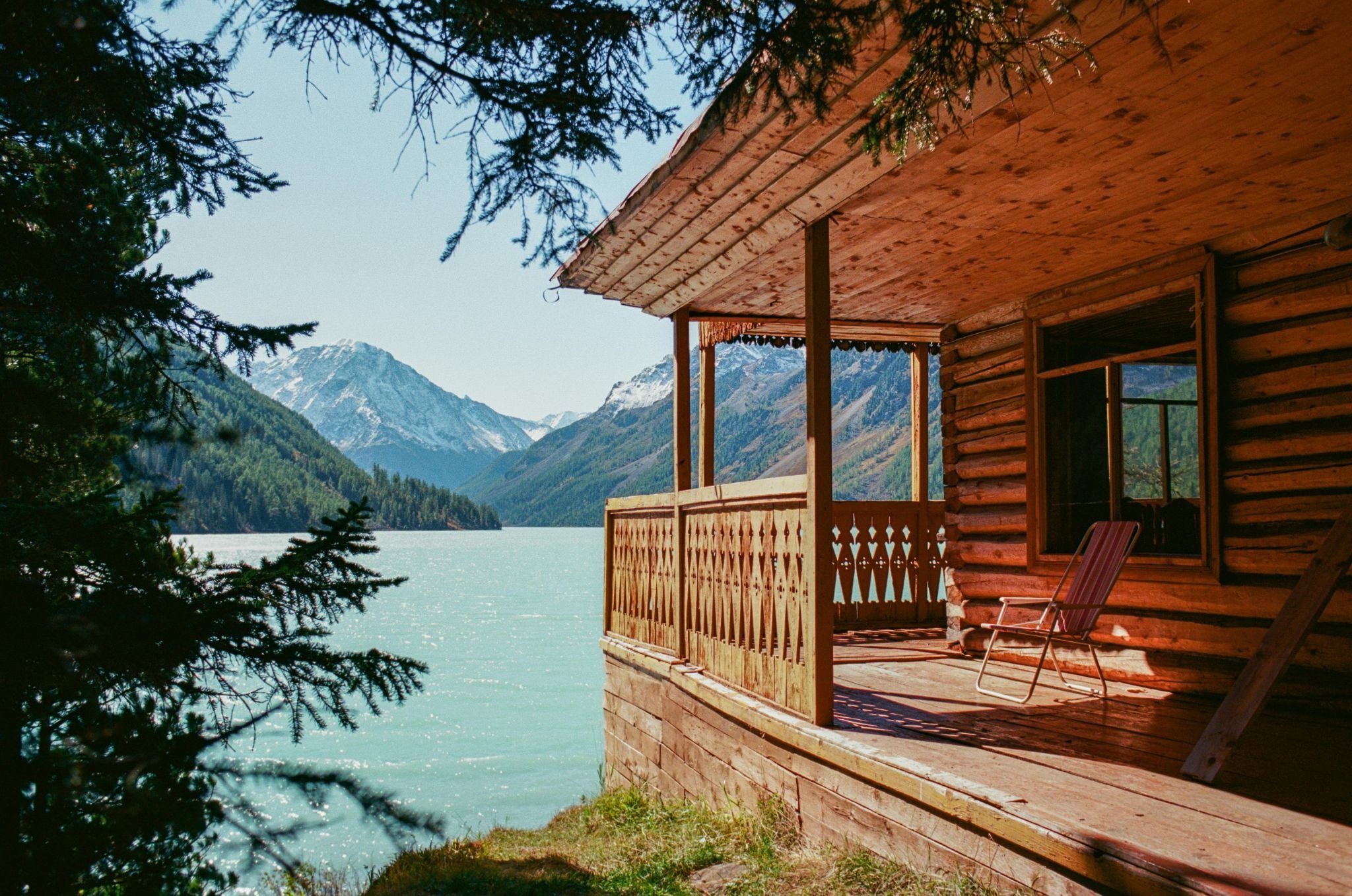
Write to One Guest, Not All of Them
Generic descriptions try to appeal to everyone. They mention that the property is great for families, couples, and business travelers. They cover every possible use case in case someone might be searching for it.
This waters everything down. When you write for everyone, you connect with no one.
The listings that convert best are specific about who they're for. A cabin that leans hard into the "romantic getaway" angle (fireplace, hiking trails, no TV on purpose) will lose some guests and win others completely. That's the goal.
Before you write, pick one type of guest. Give them a name, an age, a reason for traveling. Write your description to that person. If you're writing to a couple in their 30s looking for a quiet anniversary weekend, you'll make different choices than if you're writing to a family of five who needs space for the kids to burn energy.
You can't be everything to everyone. But you can be exactly right for someone.
Answer the Questions They Won't Ask
Some guests will message you before booking. Most won't. They'll just leave if they have unanswered concerns.
Your description should preempt the questions that make people hesitate:
Is it actually quiet, or will I hear traffic all night?
Is the bed comfortable, or is this one of those rentals with a terrible mattress?
Is the neighborhood safe to walk around at night?
Will there be enough hot water for everyone to shower?
Is check-in going to be complicated?
You don't need to answer all of these explicitly. But if you know your property has a weakness – a firm mattress, a busy street during rush hour, a flight of stairs to the entrance – address it honestly. Guests appreciate transparency, and it builds trust faster than pretending everything is perfect.
The guests who book after reading about the stairs won't complain about the stairs. The guests who didn't know will.
The Opening Line Matters More Than You Think
Most guests won't read your entire description. They'll skim. And they'll decide within seconds whether to keep reading or scroll past.
Your opening line needs to do real work. It should either say something unexpected, paint a quick picture, or make a specific promise.
"This three-bedroom house is located in downtown Austin" – boring. That's information the guest already has from the listing header.
"You'll hear the live music from the porch on Friday nights" – now I'm interested. Now I want to know more.
Don't waste your first line on throat-clearing. Start with something that earns the next sentence.

Cut Everything That Sounds Like Everyone Else
Read your description out loud. Every time you hit a phrase you've seen in fifty other listings, delete it and write something real.
"Home away from home" – cut
"All the comforts of home" – cut
"Perfect for your next getaway" – cut
"Book now!" – cut
"You won't be disappointed" – cut
These phrases feel safe because they're familiar. That's exactly why they don't work. Safe is invisible. Safe is what guests scroll past without noticing.
Say something that only you would say about this specific property in this specific place. That's what guests remember.
Your listing description isn't a formality. It's a sales page.
Write it like your bookings depend on it, because they do.