
A few years ago, hosting meant handing over keys and making sure the towels were clean. Now, more hosts are asking a different question: should I be offering more than just a place to stay?
The short answer is that it depends. But the longer answer is that experiences have become a real differentiator for hosts who want to stand out, earn more per booking, and build the kind of guest loyalty that turns one-time visitors into repeat customers.
Here's what's actually happening, and how to decide if it's right for you.
Why Experiences Are on the Table
Travel has shifted. Guests aren't just looking for somewhere to sleep; they want to feel like they've actually been somewhere. They want stories to tell, meals to remember, and moments that don't show up in a guidebook.
This is why platforms like Airbnb relaunched their experiences program with a sharper focus on authenticity. Airbnb Experiences now let hosts offer everything from cooking classes to guided hikes to behind-the-scenes cultural tours. The emphasis is on things you can only find through a local, not a generic bus tour, but a real person sharing something they actually know and care about.
And it's not just Airbnb. Hosts on direct booking platforms are creating their own add-ons: private chef dinners, kayak rentals, airport pickups, and curated local itineraries. Some partner with local businesses, others build it themselves. Either way, the trend is clear: guests want more, and hosts who deliver are seeing results.
What Hosts Are Offering
The hosts doing this well aren't overcomplicating it. They're starting with what they already know: their property, their location, their network, and building from there.
Some common offerings:
Outdoor gear rentals: If your property is near water or trails, bikes, kayaks, paddleboards, or fishing gear can be a low-effort, high-margin add-on. Guests would rather rent from you than hunt down a shop they don't know.
Local tours and guides: You don't have to lead the tour yourself. Partner with a local guide, a fishing captain, or a hiking group and take a referral fee, or simply build the relationship and let the goodwill come back to you in reviews.
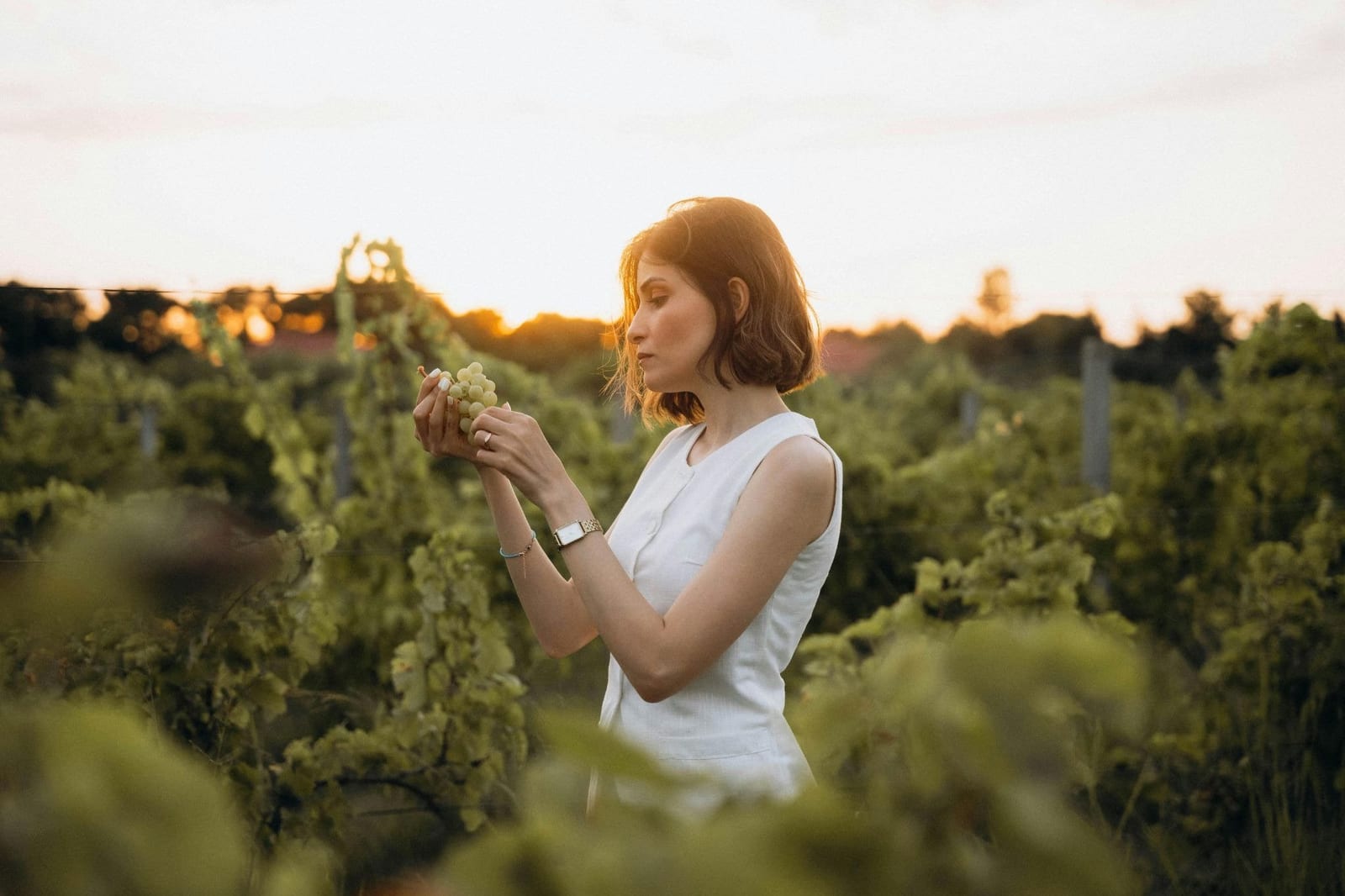
Food and drink experiences: A stocked fridge on arrival, a private chef for one night, or a wine tasting with a local vineyard. These feel luxurious but don't require much from you beyond making the connection.
Welcome packages and occasion add-ons: Birthday cakes, anniversary flowers, champagne on ice. These small touches turn a regular stay into something memorable. Guests will pay for them, and they'll mention them in reviews.
Early check-in and late checkout: The easiest upsell there is. Zero cost to you if the calendar allows, and guests value the flexibility more than you'd expect.
The Business Case
It might not come as a surprise that accommodation typically accounts for only about 30% of a guest's total vacation budget. The rest goes to food, activities, transportation, and experiences. If you're not offering any of that, someone else is getting that money.
Hosts who add upsells and experiences report revenue increases of 8–30% without adding new properties, just by maximizing what they already have. Some property managers have earned thousands in a single booking by bundling chef dinners, spa services, or adventure packages.
And it's not just about revenue. Guests who have a richer experience leave better reviews, recommend your property to friends, and come back. The math works in multiple directions.

The Airbnb Experiences Route
If you want to formalize this, Airbnb's experiences platform is one option. You don't need to be an Airbnb host to offer an experience; it's open to anyone with something worth sharing. The platform vets hosts for quality, handles payments, and puts your offering in front of travelers who are already searching for things to do.
The tradeoff: Airbnb takes a 20% service fee from each booking. That's steep. But for those hosting Airbnb experiences who want exposure without building their own marketing funnel, it can be a reasonable cost of doing business.
To get approved, you'll need to demonstrate expertise, provide a clear itinerary, and show that your experience offers something guests can't easily find elsewhere. The bar is higher than it used to be, and Airbnb has tightened its standards to prioritize quality over quantity.
The Direct Booking Route
If you're already driving direct bookings through your own site or a platform like Houfy, you can skip the middleman entirely. Create a simple menu of add-ons, mention them in your pre-arrival messaging, and let guests choose what they want.
This approach gives you full control and full margin. You decide what to offer, how to price it, and how to deliver it. No platform fees, no approval process. Just you and your guests.
The key is timing. The best window for upselling is between booking confirmation and check-in, ideally a week or two before arrival, when guests are planning their trip and are open to enhancing it. A well-timed email with a few curated options converts better than a long list buried in your listing description.

When It Doesn't Make Sense
Experiences aren't for everyone. If you're managing remotely and don't have local partners, coordinating add-ons can become a headache. If your property is in a location where guests mostly want to unplug and do nothing, pushing activities might feel tone-deaf.
And if you're already stretched thin, adding more services means adding more work, or more coordination, or more things that can go wrong. Start small. Test one or two offerings before building a whole menu.
So, Is It Worth It?
Offering experiences isn't about turning your rental into a tour company, but about recognizing that guests want more than a bed. The hosts who meet that demand end up with better reviews, higher revenue, and stronger relationships. You don't need to do it all. But if you've got local knowledge, a good network, or even just a set of kayaks in the garage, there's probably an opportunity sitting right in front of you.