
You can have the best description in your market, competitive pricing, and glowing reviews. If your cover photo does not stop the scroll, none of it matters. Guests never get there.
Photos are the first filter in any vacation rental search. They operate before a guest reads a single word. Research from the short-term rental industry shows the average guest reviews 10–20 photos before making a reservation, and the majority of their attention concentrates on the first five. Your first photo alone determines whether someone clicks into your listing or keeps scrolling.
This analysis covers which photos actually drive clicks, what the optimal room sequence looks like, which detail shots move the needle, and when to update your gallery across seasons.
Key Insights
Your cover photo decides whether a guest clicks or scrolls past. Listings with 25–35 well-sequenced photos consistently outperform thinner galleries on both click-through rate and booking conversion. Use a hero shot with natural light and a single dominant subject as your cover, follow a room-by-room sequence, invest in detail shots that signal hospitality, and refresh your gallery seasonally.
The Cover Photo: Your One-Second Audition
The cover photo is an ad for your property. An ad has one job: generate a click. Everything about the cover photo should serve that goal.
Industry data consistently shows that cover photos featuring a distinctive hero element — a pool, a panoramic view, an architectural detail, or a dramatic setting — outperform generic living room shots for click-through rate. A Carnegie Mellon University analysis of Airbnb listing images found specific visual elements directly correlate with higher demand and booking rates. The most-clicked cover photos share three characteristics.
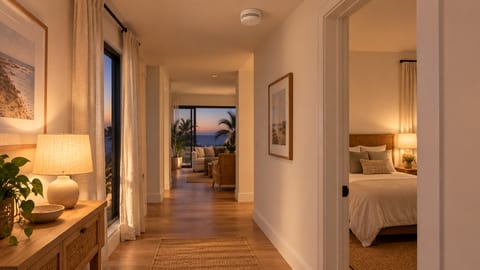
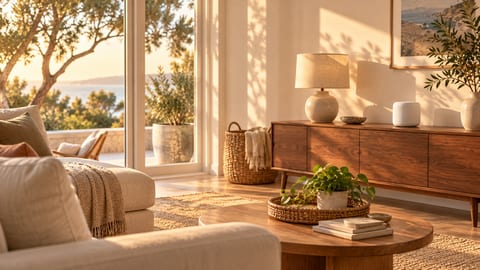
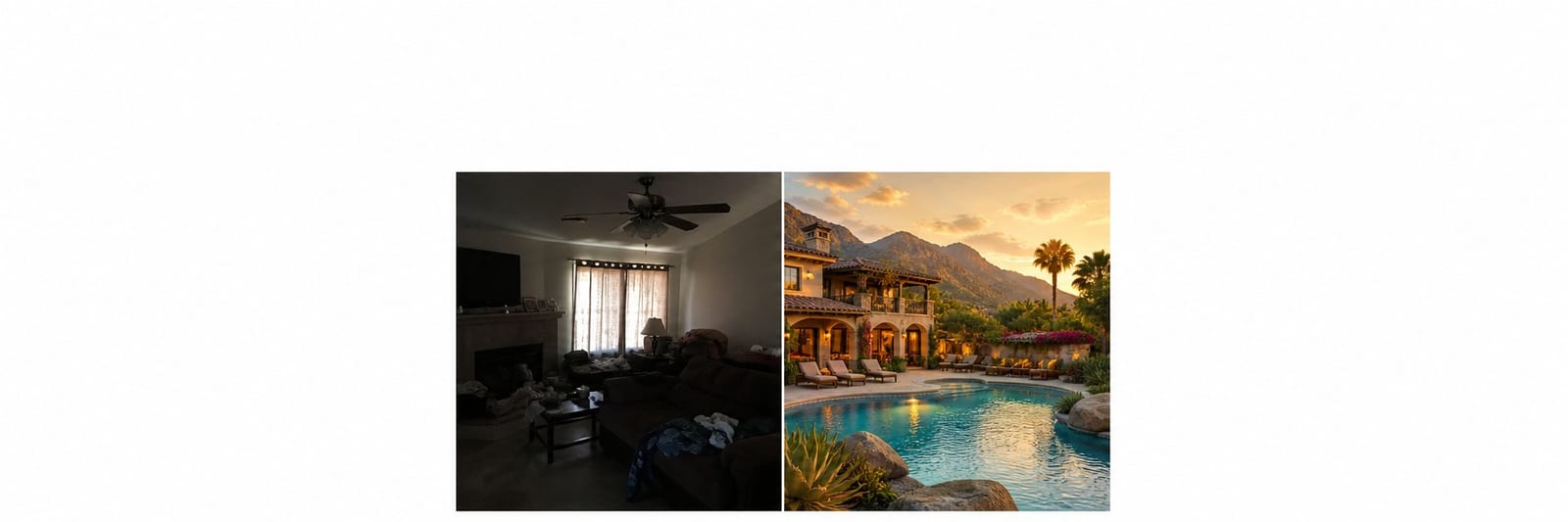
Natural light. Bright, warm, natural lighting signals space and comfort. Dark or flat photos read as small or dingy, even when the actual property is neither.
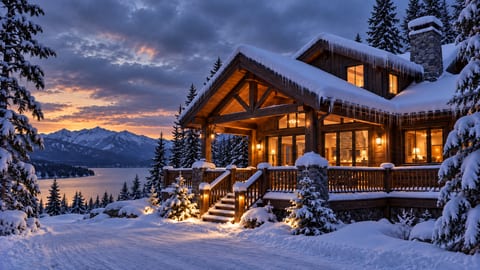
A single dominant subject. The best cover photos do not try to show everything. They show one thing so compellingly that the guest wants to see more: a pool at golden hour, a view from the deck at sunrise, a living room with a fireplace lit and snow visible through floor-to-ceiling windows.
An aspirational moment. The most effective cover photos put the guest mentally inside the experience. They do not show an empty room. They show where life happens: a set dinner table on a terrace, a hammock in a garden with a book on the edge, a hot tub with mountain silhouettes behind it.
One study of VRBO's top-performing listings found that properties with a landmark, view, or dramatic outdoor feature as their cover photo received significantly higher click-through rates than those leading with an interior shot, even when the interior was beautifully staged.
The framing rule is simple: if someone would stop scrolling to admire this image on a travel blog, it belongs as your cover. If it looks like a real estate listing, move it to position three or four.
The Optimal Room Sequence
After the cover photo gets the click, the sequence of your remaining photos does the persuasion work. Guests move through a photo gallery like they move through a property in person. They want a tour that makes sense.
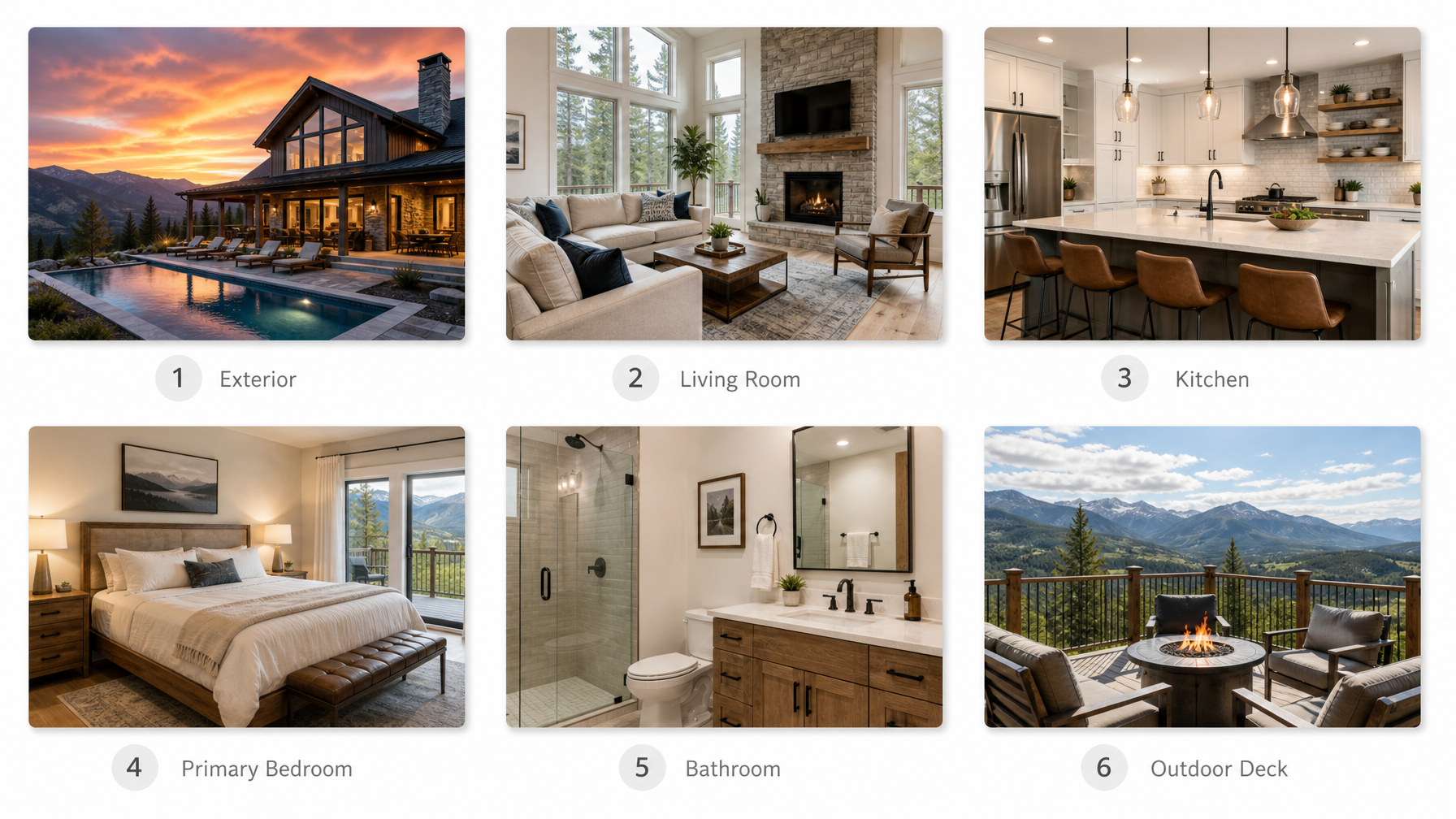
The sequence that consistently performs best follows this order:
1. Cover photo (exterior or hero shot). Establishes setting and emotional hook.
2. Living area. Guests want to see the social heart of the property early. A spacious, well-lit living room signals comfort and a sense of scale.
3. Kitchen. The kitchen matters more than most hosts realize, especially for groups and families. A well-equipped kitchen with visible counter space, good appliances, and natural light is a significant booking driver for stays longer than two nights.
4. Primary bedroom. Show the main sleeping space with the bed made, the room tidy, and the lighting warm. If there is a view from the bedroom, include it in the same sequence.
5. Bathroom. Clean, well-lit, and clearly functional. One strong bathroom photo is enough unless you have a particularly compelling en-suite or spa-style setup.
6. Additional bedrooms. Show each sleeping space, especially if you are selling to groups or families comparing your property to others that sleep the same number of guests.
7. Outdoor spaces. Deck, garden, pool, hot tub, fire pit. These are often the deciding factor between two similarly priced properties. Give outdoor spaces more photo real estate than their square footage would suggest they deserve.
8. Views. If your property has a view, it needs multiple photos from multiple vantage points. One view photo leaves money on the table. Show the view from the deck, from the living room, from the master bedroom.
9. Detail shots. This is where most hosts underinvest. More on this in the next section.
10. Location and neighborhood. A few shots of what guests can walk to, drive to, or see from the property grounds. Beach access, hiking trailheads, a charming village main street. These photos answer the "what will I actually do here?" question visually.
A guest who reaches photo 10 in this sequence has essentially taken a mental tour of your property. Their next action is either to book or to check your calendar. Both outcomes are good. If the sequence breaks down early — say, a confusing jump from the bedroom to an exterior, then back inside — you lose the narrative momentum that carries guests toward a decision.
For more on building a listing that converts at every stage, see 8 No-Fail Ways to Create the Perfect Vacation Rental Listing.
Detail Shots That Build Trust
Detail shots are the photos that close the booking. By the time a guest reaches your detail photos, they are already interested. They are looking for confirmation that the property matches the promise of the earlier images.
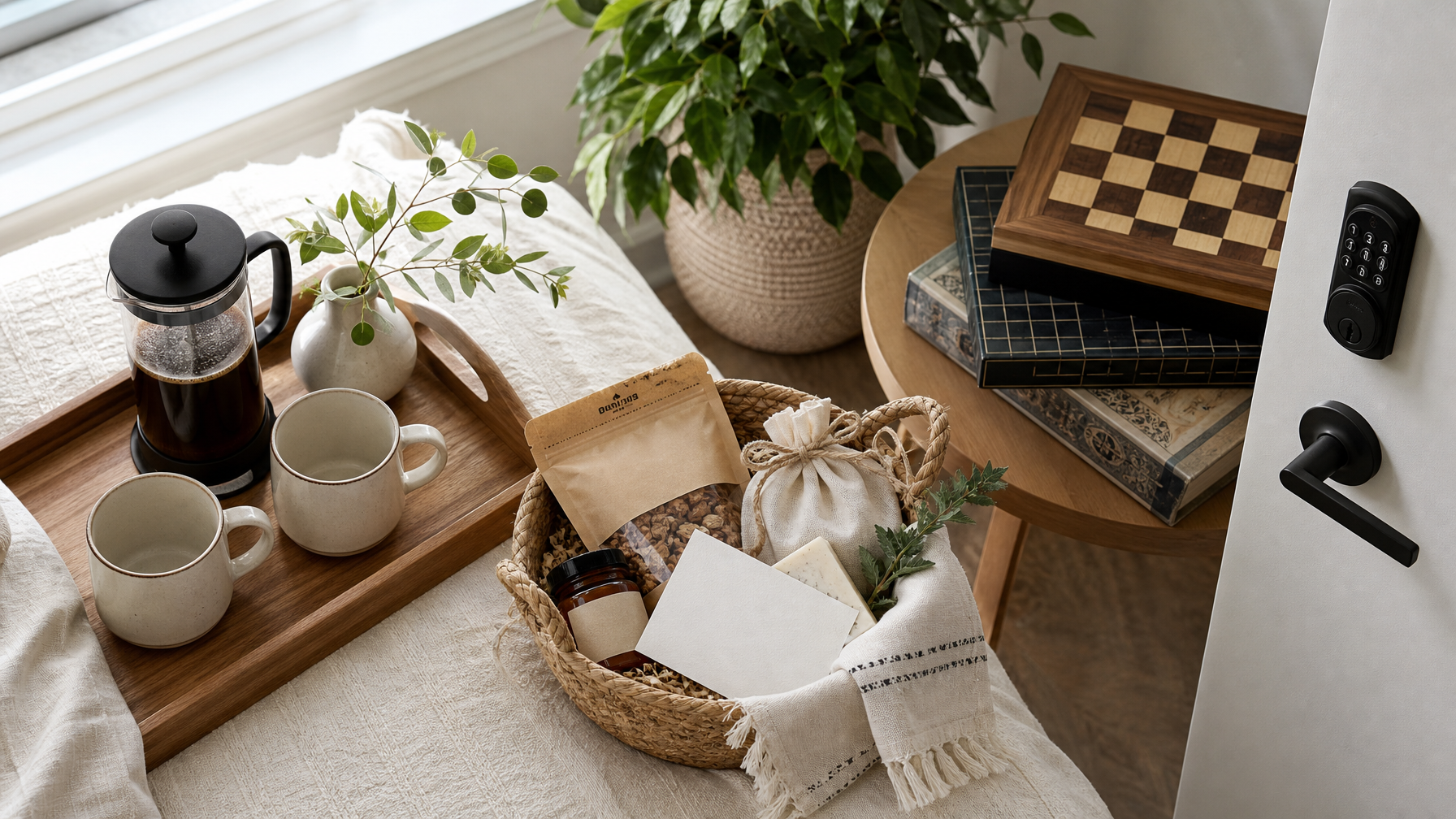
The details that convert most reliably:
The coffee setup. Guests care about coffee disproportionately. A French press, a good grinder, or a specialty machine signals that the host has thought about the morning experience.
Books, board games, and entertainment options that signal the host has considered how guests spend their downtime.
The welcome basket or any evidence of a personal touch. A handwritten note, local products, or a curated snack selection.
Well-stocked pantry basics visible in the kitchen — spices, oils, cooking essentials.
Smart home features, keypad locks, or anything that signals modern convenience.
Outdoor lighting, fire pits lit at night, or any feature that photographs better in the evening.
The view from the bed, if there is one.
What to avoid in detail shots: photos of the coffee maker brand, the TV model, or anything that looks like a product catalog. Detail shots should feel like a discovery. They should communicate that staying here is different from staying in a hotel room, not that the host has done an inventory check.
The distinction matters because trust is the real product being sold at this stage of the gallery. According to data from Uplisting's vacation rental photography research, clear and emotionally inviting visuals help listings stand out in search results and reduce the friction between a guest who is interested and a guest who books.
How Many Photos Is Enough?
Data from top-performing vacation rental listings consistently points to 25–35 photos as the optimal range. Below 20, guests feel they do not have enough information to feel confident. Above 40, the gallery becomes repetitive and dilutes the impact of your strongest images.
HomeToGo's analysis of listing performance across their platform found that listings with 21 or more images consistently outperform those with fewer, across property types and price points. The top performers in a recent review of VRBO host data had 35 or more photos on average, and those hosts outperformed their markets not just on clicks but on conversion from click to booking.
That conversion lift is significant. A comprehensive, well-sequenced gallery reduces the remaining friction after a guest is already interested. Every photo that should exist and does not exist is a question the guest has to answer on their own. Some of them do not bother.
According to Airbnb's internal data cited by Naya Homes, listings with professional or high-quality photos earn 20% more revenue on average and receive 20% more bookings than those without. Travelers also spend 83% more time on listings with high-quality photos, which directly increases the probability of a booking inquiry.
The practical target for most hosts: 30 photos, sequenced logically, with no filler. Every photo in your gallery should earn its place.
Seasonal Photo Swaps
One of the most underused tactics in listing photography is seasonality. If your property receives bookings across multiple seasons, your gallery should reflect the experience guests will actually have when they arrive.
A ski chalet that shows only summer exterior shots loses bookings in November. A beach house that shows only bright summer photos may deter guests searching for a quiet off-season getaway. Guests want to see the version of the property that matches their trip.
A practical seasonality approach:
Maintain a core gallery of 20–25 photos that work year-round.
Swap 8–10 photos seasonally: exterior snow shots in winter, lush garden shots in spring and summer, warm interior fire shots in autumn.
Rotate the cover photo seasonally when the primary appeal of the property changes by season.
Set a calendar reminder every three months to review your gallery. It is a 30-minute task that can meaningfully shift your click-through rate heading into a new season. Hosts who do this consistently often see a lift in inquiry volume within the first two weeks of the swap — simply because the cover photo now matches what guests are searching for at that moment.
What Bad Photos Actually Cost You
A listing with poor photos does not just lose clicks. It loses them to a competitor who will now keep that guest, collect their review, and rank higher as a result. Photography is compounding: strong photos today generate reviews that improve your search ranking next year.
The most common photo failures to avoid:
Vertical (portrait-mode) photos on platforms that display horizontal crops
Photos taken with bathroom lights on but bedroom lights off, creating mixed color temperatures
Cluttered surfaces, dishes in the sink, or personal items visible in shots
Exterior photos taken on overcast or rainy days
Any photo that includes your car, a waste bin, or utility infrastructure
If hiring a professional photographer is not in the budget right now, a recent smartphone with a wide-angle lens, a portable tripod, and shooting during golden hour (one hour after sunrise or before sunset) will produce photos that outperform most amateur DSLR shots taken in midday flat light. The gear matters far less than the light and the composition.
For hosts who are ready to take their listing to the next level, see 15 Vacation Rental Tips for Owners for a wider breakdown of what separates top-performing hosts from the rest.
Your Houfy Listing Has a Unique Advantage
On Houfy, your photos are displayed without the algorithmic interference of OTA ranking systems. Guests who find your listing see your gallery in the order you choose, without promoted listings sandwiched in between. The quality of your gallery has a direct, unmediated relationship with your booking conversion.
A Houfy listing with a strong cover photo, a logical room sequence, compelling outdoor shots, and 25–35 well-lit images is a listing that earns its bookings on merit. And because guests book directly without service fees, they compare your nightly rate to OTA rates and often find yours more appealing even before they fall in love with the photos.
To get the most out of your presence on the platform, read 6 Ways to Maximize Your Vacation Rental Listing on Houfy.
Ready to let your photos do the selling? List your property on Houfy and keep 100% of what you earn.
Frequently Asked Questions
What type of cover photo gets the most clicks on a vacation rental listing?
Cover photos that feature a distinctive, aspirational element — a pool at golden hour, a panoramic view, a dramatic outdoor setting — consistently outperform interior shots for click-through rate. The best cover photos use natural light, show a single dominant subject, and put the guest mentally inside the experience rather than showing an empty room. Avoid leading with a generic living room unless the interior is genuinely exceptional and unique.
How many photos should a vacation rental listing have?
The optimal range is 25–35 photos. Below 20, guests report feeling they lack enough information to book confidently. Above 40, galleries tend to become repetitive and reduce the impact of your strongest images. Data from HomeToGo and VRBO performance reviews consistently shows that listings with 35 or more photos outperform thinner galleries on both clicks and conversion from click to booking.
Does professional photography actually increase vacation rental bookings?
Yes. Airbnb's internal data shows listings with professional-quality photos earn 20% more revenue and receive 20% more bookings on average. Travelers also spend 83% more time on listings with high-quality visuals. For hosts who cannot hire a professional photographer, a smartphone with a wide-angle lens, a tripod, and golden-hour lighting can produce results that outperform budget DSLR shots taken in poor light.
What is the best order for vacation rental photos?
The sequence that performs best starts with an exterior or hero shot, then moves through the living area, kitchen, primary bedroom, bathroom, additional bedrooms, outdoor spaces, views, detail shots, and finally neighborhood or location photos. This order mirrors how a guest would physically tour the property and creates a narrative that carries them toward a booking decision.
How often should I update my vacation rental listing photos?
A full gallery review every three months is the practical standard. For seasonal properties, swapping 8–10 photos to reflect the current season — and rotating the cover photo when the property's primary appeal changes by season — can produce a measurable lift in click-through rate within the first two weeks. At minimum, update your gallery any time you make significant changes to the property's furnishings, decor, or outdoor spaces.
What detail shots should I include in my vacation rental listing?
The detail shots that convert most reliably are the coffee setup, welcome basket or personal touch, books and board games, well-stocked pantry basics, smart home or keypad features, outdoor lighting or fire pits (ideally lit), and the view from the primary bed if one exists. Avoid product-catalog style shots that show appliance brands. Detail shots should feel like a discovery, not a spec sheet.
Can I use smartphone photos for my vacation rental listing?
Yes, with the right approach. A modern smartphone with a wide-angle lens, shot during golden hour (one hour after sunrise or before sunset), with a portable tripod for stability, produces photos that outperform most amateur DSLR shots taken in midday flat light. The key variables are light quality, composition, and a clutter-free, well-staged space — not the camera body.