Guest expectations don’t change overnight. They shift quietly, then all at once. In 2026, guests won’t be impressed by basics. They’ll assume them. What stands out now is how a home fits into their life while they’re away. Work, rest, health, privacy, and ease all matter more than ever.
Below are the ten amenities shaping guest choices in 2026, followed by how to prioritize upgrades before your busy season.
Quick answer: In 2026, guests look for reliable Wi-Fi with stated speeds, heating and cooling they can control, bedrooms built for sleep, a kitchen they can actually cook in, easy self check-in with a reachable host, a real workspace, usable outdoor space, storage, noise control and a clear house manual. Fix reliability first and photograph every amenity.
1. Reliable, Transparent Internet Setup
Guests don't just want fast Wi-Fi anymore. They want predictable Wi-Fi. Guests now look for clear information about internet speed, stability and backup options. Remote work, streaming, and video calls are part of everyday travel now. A vague "fast Wi-Fi" line won't cut it.
Hosts who list actual speeds, router placement, and whether the connection holds up during peak hours build trust fast. Some guests will choose a slightly less scenic home if they know their connection won’t drop mid-call.
2. Climate-Responsive Comfort
Guests are more aware of weather swings than before: heat waves, cold snaps, smoke, humidity. Guests look for homes that handle weather swings well. That means clear heating and cooling controls, good airflow, blackout curtains, fans, and insulation that actually works.
Guests don't want to message you asking how to stay cool or warm. They want to walk in and feel comfortable right away. Listings that explain how the home stays comfortable year-round answer a question guests would otherwise have to ask.
3. Sleep-Focused Bedrooms
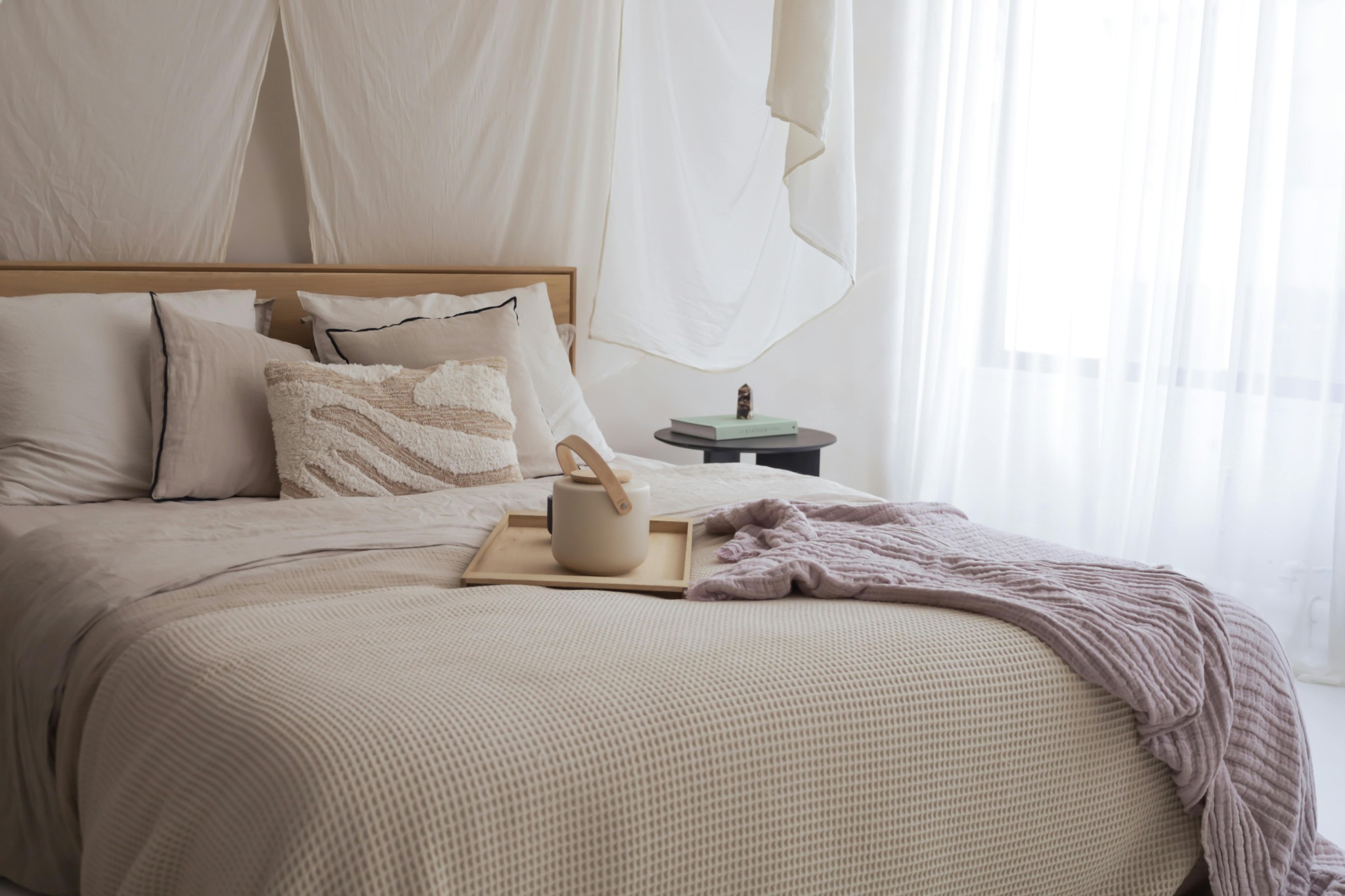
Sleep has become a deciding factor, and guests talk about it openly. Guests want blackout shades, quiet rooms, supportive mattresses and simple lighting controls near the bed. Bedrooms that feel calm and intentional will matter more than extra decor.
Hosts don’t need luxury beds. They need consistency. Guests remember poor sleep more than a great view. A single sentence in reviews about “best sleep I’ve had traveling” carries weight. Remember that sleep sells quietly, but it sells.
4. Kitchens That Support Real Use
Guests still want kitchens, but not decorative ones. The kitchen amenities that matter are usable cookware, sharp knives, space to prep food and storage that makes sense. Many guests cook even on short stays.
Hosts who test their own kitchens notice gaps fast. Missing lids. No colander. Nowhere to set groceries. These small issues add friction that guests feel immediately. A kitchen that works earns repeat bookings without trying.
5. Clear Self Check-In With Human Backup
Self check-in is now expected. Guests look for smooth arrival instructions and the reassurance that a real person is reachable. Lock codes, parking guidance, and entry photos matter more than ever.
What guests dislike isn’t self-check-in; it's the uncertainty at the door. Hosts who simplify arrival reduce stress before the stay even begins. That sets the tone for everything that follows.
6. Dedicated Work-Friendly Zones
Workspaces aren't optional anymore. Guests don't just want a desk. They want separation. A place where work doesn't spill into rest. Guests look for clear work zones with outlets, lighting and a chair that supports more than ten minutes.
You don’t need a home office. A quiet corner with intention works. But guests want to see it clearly in listings, not discover it later. Phrases like “dedicated work area,” “remote work friendly,” or “quiet workspace with natural light” help guests scan fast and feel confident.

7. Private Outdoor Space That Feels Usable
Outdoor space doesn't need to be large, but rather intentional. Guests look for balconies, patios, yards or decks that invite use. A chair placed for a view and reading. A table that fits a meal. Shade that works during the day.
Empty outdoor areas feel unfinished. Small touches signal care. On slower trips, guests spend a lot of time outside. Usable outdoor space extends the stay without adding square footage.
8. Storage That Matches the Length of Stay
Longer stays mean more gear. Guests want hooks, drawers, luggage space and closets they can actually use. Living out of a suitcase feels fine for one night, but not for a week.
Hosts who free up storage earn gratitude fast. Guests feel settled instead of temporary, and that feeling carries through reviews. Keep in mind that storage is invisible when done right and very visible when missing.
9. Thoughtful Noise Control
Guests notice noise, and it shows up in reviews. They look for homes that manage sound well. That includes solid doors, rugs, window treatments, and honest descriptions of the surrounding area.
Guests don’t expect silence, but clarity. Listings that describe noise honestly reduce bad reviews. Hosts who address sound proactively stand out in busy areas.

10. Simple House Guidance
Guests don't want rule-heavy stays; they want clarity. A clear house manual that explains how things work, without sounding strict, is an amenity too. Heating, trash, checkout basics, and what to do if something breaks.
Guests feel more relaxed when they know what’s expected. Over-explaining creates tension. Under-explaining creates confusion. Good guidance fades into the background. That’s the goal.
Upgrade in This Order Before Your Busy Season
Fix what guests feel in the first hour before buying anything decorative.
First: reliability
Whole-home Wi-Fi, with a recent speed test posted in the welcome book
Serviced heating and air conditioning
Enough hot water for a full house
Blackout curtains in every bedroom
Bedside outlets, good lighting and enough hangers
Next: comfort for busy weeks
A luggage rack or a clear spot for bags
Coat hooks and a shoe tray
Surge-protected power strips
A desk and a proper chair
EV charging, or a map of reliable public chargers nearby
A crib and high chair if you accept families
Then: extras
A good coffee setup with starter coffee
Beach, hiking or event-day kits where they fit your location
Board games that survive many turnovers
Outdoor seating for your full guest count
Finish installs at least two weeks before your first busy weekend so you can test everything and run one turnover with your cleaner. For cribs, chargers and heaters, check product safety guidance from the U.S. Consumer Product Safety Commission.
Skip Upgrades You Can't Maintain
Smart-home systems guests can't operate when the app fails
A pool or hot tub you can't service every week in peak season
Fragile decor that breaks between stays
Unpermitted rooms marketed as bedrooms
Anything that breaks local safety or short-term rental rules
Show Every Upgrade, Then Check It Paid Off
Guests can't book for an amenity they can't see. Photograph each upgrade the day it's installed, mention it once in your description, and add it to your amenity list. Then watch your reviews for phrases like "fast Wi-Fi", "slept great" or "great desk", and compare occupancy and nightly rate before and after. If an item costs you money every stay and never shows up in reviews, consider dropping it.
What This Means for Houfy Hosts
You don’t need to chase trends; you need to remove friction. The vacation rental trends of 2026 reward homes that feel easy to live in, even for a short time. Guests are choosing based on comfort, predictability, and how well a space supports their real routines.
Hosts who take direct bookings own the guest relationship, and these amenities give guests a reason to come back. Small upgrades done thoughtfully beat big changes made in a hurry. Show them on your own booking page built with the Houfy website builder, and add your listing to Houfy.
Frequently Asked Questions
What amenities do vacation rental guests expect in 2026?
Reliable Wi-Fi, heating and cooling, comfortable beds with blackout curtains, a usable kitchen, easy self check-in and clear house instructions. Extras such as a workspace, outdoor seating and storage help you stand out.
Which amenity upgrade should I make first?
Whatever affects comfort and reliability: Wi-Fi, heating and cooling, hot water and sleep. Guests notice these within the first hour, and problems with them show up in reviews.
Is a hot tub worth adding?
Only if permits, insurance, fencing and weekly cleaning are covered. A poorly kept hot tub causes more complaints than it earns. If any piece is missing, start with cheaper upgrades.
How soon before peak season should I install upgrades?
At least two weeks before your first busy weekend, so you can test everything and run a turnover with your cleaner before guests arrive.
How should I list a new amenity?
Add a clear photo the day it's installed, mention it once in the description and tick it in your amenity list. Guests trust photos more than icons.
Sources: U.S. Consumer Product Safety Commission
Houfy has 100,000+ live listings in over 100 countries.