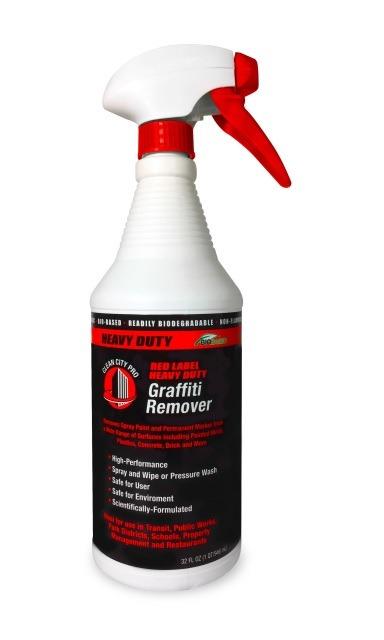
Graffiti created using permanent markers can be among the most frustrating forms of vandalism to remove. Unlike spray paint, which forms a surface layer, marker ink often penetrates deeply into porous surfaces, making removal more challenging. Whether it appears on public buildings, school desks, bathroom partitions, metal surfaces, or community spaces, marker graffiti often requires a solution like Graffiti Remover for marker and a thoughtful, informed approach to ensure successful cleaning without causing additional damage.
Communities, facility managers, property owners, and maintenance teams are increasingly seeking solutions that balance efficiency, safety, and environmental responsibility. With urban spaces continuing to grow and evolve, keeping environments visually clean and welcoming has become a priority—not just for aesthetics, but also for public perception and maintenance budgets.
This guest post explores best practices, preparation methods, common challenges, product selection considerations, maintenance strategies, and long-term graffiti prevention options. The goal is to provide a deeper understanding of how removing marker-based vandalism can be handled with precision, care, and long-term thinking.
Understanding Marker Graffiti and Its Challenges
Marker graffiti is often created using permanent ink formulas containing dyes, solvents, and pigments that bond tightly to surfaces. These inks are specifically designed to resist fading, water, and general wear, which makes them effective writing instruments—but troublesome when used for vandalism.
Surfaces most commonly affected include:
- Painted walls
- Glass
- Metal surfaces
- Smooth plastic
- Concrete or brick
- School furniture and whiteboards
- Public restroom stalls
Each of these materials requires a different removal technique due to differences in porosity, durability, and chemical sensitivity.
The choice of cleaning strategy depends on factors such as surface type, ink composition, age of the graffiti, and whether the area has been previously treated with anti-graffiti coating.
Using the Right Tools and Techniques
Removal success begins with preparation. Before attempting cleaning, the following steps are recommended:
- Test in a Small Area
This helps prevent accidental discoloration or surface damage. - Use Proper Protective Equipment
Gloves, masks, and adequate ventilation ensure safe working conditions. - Assess Surface Sensitivity
Delicate surfaces like painted walls, plastics, and coated metals require extra caution. - Apply the Removal Product Correctly
Allowing a product to sit for the proper dwell time can significantly improve results.
One commonly requested cleaning aid in marker vandalism removal is Graffiti Remover for marker. While effective cleaning results may vary depending on surfaces and ink types, many users find that solutions designed specifically for ink-based vandalism offer better outcomes compared to traditional cleaning chemicals like acetone, alcohol, or abrasive scrubbing.
Common Mistakes to Avoid
While successful removal is achievable, improper techniques can worsen the problem. Common errors include:
- Scrubbing too aggressively
This may spread ink or damage the surface, especially plastics or painted walls. - Using harsh chemicals prematurely
Solvents like paint thinners or bleach can discolor surfaces or release harmful fumes. - Skipping dwell time
Applying and immediately wiping can reduce product effectiveness. - Layering multiple chemicals
Combining products without rinsing may create hazardous reactions.
By avoiding these mistakes and following structured cleaning steps, results improve significantly.
Importance of Choosing the Right Product Type
Different graffiti removal categories exist, such as:
- Solvent-based removers
- Gel-formulated removers for vertical surfaces
- Wipes for quick cleaning
- pH-neutral cleaners for sensitive environments
- Enzyme-based or eco-conscious blends
When selecting a remover, considerations include:
- Indoor or outdoor use
- Odor level and ventilation requirements
- Whether the surface is porous or non-porous
- Speed of action
- Environmental impact
- Safety compliance requirements for public spaces
A surface like brick or concrete may require repeated application, while smooth surfaces like glass or metal may respond quickly.
Where Marker Graffiti Removal Is Most Needed
Marker vandalism appears in numerous environments, including:
- Schools and universities
- Transit stations
- Playgrounds and parks
- Parking structures
- Businesses and storefronts
- Public restrooms
- Government and municipal buildings
- Bus stops and community signage
Maintaining these environments contributes to community pride, urban safety, and aesthetic value.
Long-Term Prevention: A Smart Strategy
Removing graffiti is only one part of the solution. Prevention measures help reduce recurrence and maintenance effort.
Some effective approaches include:
- Anti-Graffiti Coatings
These coatings form a protective layer that prevents marker ink from bonding deeply into the surface, making future cleanup easier. - Rapid Removal Programs
Studies show that tagging decreases when graffiti is removed within 24–48 hours. - Improved Lighting and Surveillance
Well-lit areas deter vandalism and make public spaces feel safer. - Community Engagement and Awareness
Local involvement encourages shared responsibility and reporting. - Art Programs and Murals
Designated art spaces can significantly reduce vandalism frequency.
Eco-Friendly and Safety Considerations
Sustainability is increasingly valued in maintenance practices. When selecting a cleaning approach, considerations may include:
- Low-VOC or biodegradable formulations
- Water-based vs. solvent-based approaches
- Waste disposal instructions
- Effects on indoor air quality
- Compatibility with sensitive environments such as schools or healthcare spaces
Responsible usage supports health, safety, and environmental stewardship while maintaining effective performance.
Why Proper Technique Matters More Than Force
Marker removal requires patience more than physical strength. With the right product, dwell time, and wiping method, ink often lifts cleanly. In contrast, rushing or using abrasive tools can permanently scar the surface.
Soft cloths, microfiber towels, and non-scratch applicators are often preferable to metallic or abrasive scrubbing pads.
Maintenance Programs for Facilities and Municipalities
Scheduled cleaning programs help extend surface life and reduce overall maintenance cost. A structured plan may include:
- Regular inspections
- Trained staff familiar with cleaning protocols
- Stocked supplies for rapid response
- Documentation of graffiti type and removal success rates
- Annual review of products and prevention coatings
Such systems are especially beneficial for schools, transport networks, and city infrastructures.
Final Thoughts
Marker graffiti can be challenging to remove, but with the right tools, methods, and strategies, results can be highly effective. Awareness, preparedness, and prevention steps help minimize disruption and protect public and private spaces.
Whether dealing with small localized markings or larger vandalism incidents, thoughtful response ensures improved results and long-term cleanliness. Using resources such as Graffiti Remover responsibly and strategically—along with prevention measures—helps create cleaner, more welcoming environments for everyone.
Clean, maintained spaces contribute positively to community pride, public safety perception, business appeal, and overall quality of life. The process requires patience, technique, and understanding of both surface types and ink behaviors. Over time, consistent removal and prevention strategies help reduce recurrence and restore visual harmony within shared environments.
