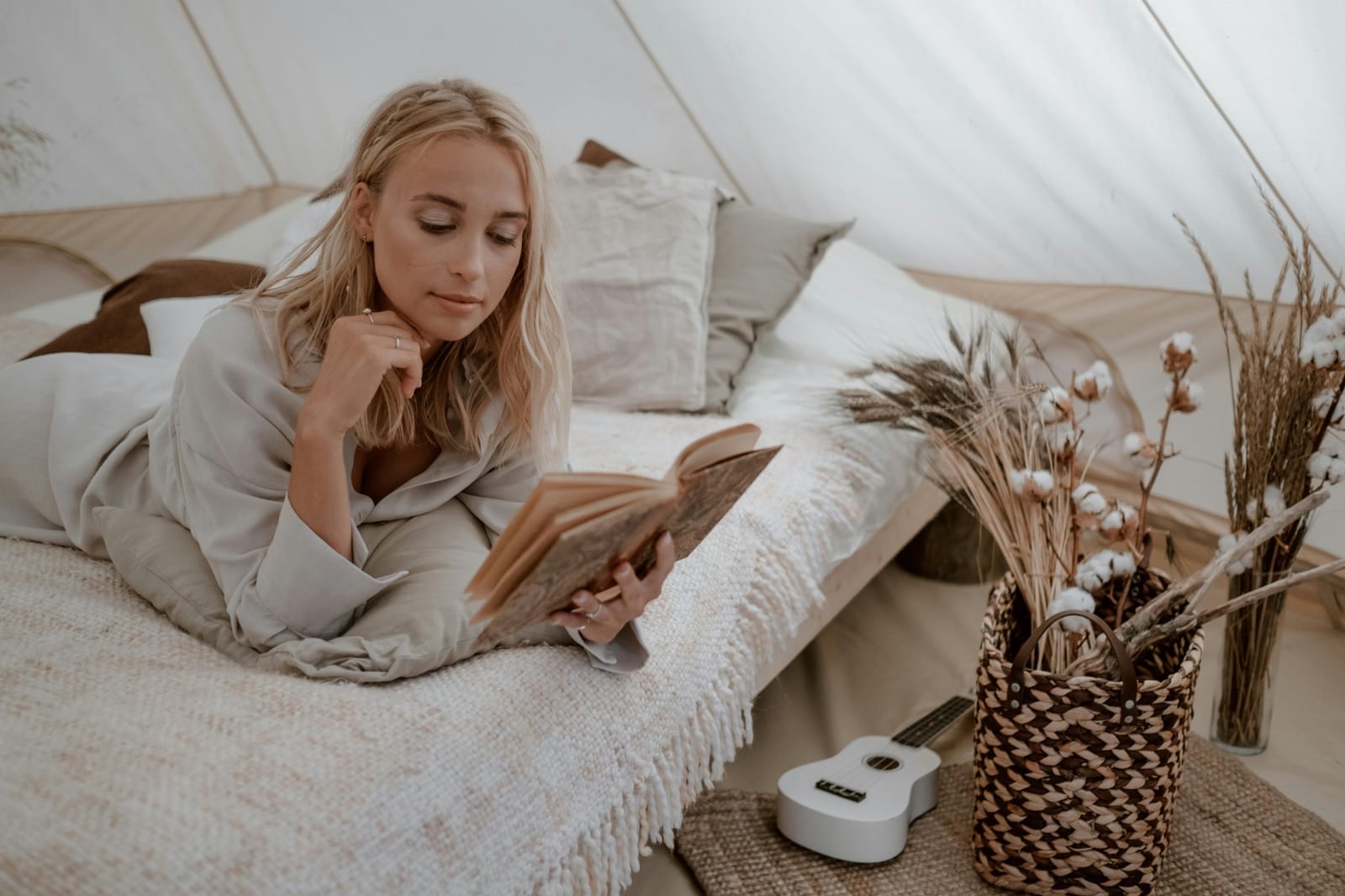

Some homes make guests feel at ease the moment they walk in. Others take a little longer. And while you can’t control every detail of their mood, you can design an atmosphere that makes people feel comfortable right away.
The secret isn’t just luxury or space. It’s how your home feels, how easy it is to settle in, breathe, and feel like you belong there. On Houfy, guests look for vacation rentals that make them exhale, not adjust. Here’s how to help them do that.
1. Create comfort that feels natural
Start with what guests actually notice: lighting, temperature, and seating. Soft, even lighting makes a room feel calm. Overhead lights can feel harsh, so consider adding lamps or warm bulbs where people spend most of their time, such as near the couch, bedside, or dining table.
Next, think about texture. A cozy vacation home doesn’t need to be full of decor, but it does need to feel good. Clean throws, soft rugs, and smooth bedding make a quiet difference.
Temperature matters too. If the space is too cold when they arrive, they’ll focus on that instead of relaxing. A simple welcome touch, like pre-setting the thermostat or adding a small welcome message about the heating system, can change how fast they unwind.
2. Keep the layout easy to understand
When guests don’t have to think too hard, they relax faster. Keep your layout intuitive.
Leave clear space between furniture.
Label light switches when possible.
Place obvious items, such as the coffee maker, towels, and Wi-Fi code, where people will look first.
You don’t want guests opening every drawer to find the remote. Some hosts even create a small “first-night zone” with a few essentials like snacks, coffee, and water on the counter so guests can unwind before exploring the rest of the home. Little cues like these make people feel cared for.
3. Appeal to all senses
Relaxation isn’t visual alone. The best guest experience involves scent, sound, and touch, too. Open a window before check-in to let in fresh air. Skip strong artificial fragrances for a neutral, clean scent that promotes relaxation more than anything floral or heavy.
Sound also shapes the mood. A quiet home feels peaceful, but too quiet can feel empty. Some hosts leave a small speaker with calm background music playing during arrival. Others simply add a few soft furnishings that absorb echo and make the room feel “full.”
And don’t forget touch: good linens, comfortable chairs, and smooth table surfaces can quietly signal care. Guests don’t always comment on these things, but they notice them.

4. Design for flexibility
Real life doesn’t always match the listing photos, and that’s fine. What matters is that your space adapts to guests’ moods and needs.
Add seating that can move around easily, like lightweight chairs or floor cushions. Include a small desk or workspace, even in leisure-focused rentals. Families might need it for coloring, couples for remote work.
A few adjustable elements go a long way: dimmable lights, blackout curtains, or even a second blanket stored nearby. They let guests shape the space to fit their comfort level. When people can make a place their own, they settle faster.
5. Focus on rhythm, not rules
Hosts often overthink the structure, including check-in steps, guidebooks, and decor themes. But guests relax when things flow, not when they follow a strict rule.
Make the arrival simple. If possible, send clear check-in details early and repeat them briefly on-site. The less they scroll through messages, the more they can enjoy the evening.
Inside, design your home for spaces that naturally invite rest. A reading corner by the window. A small table for slow breakfasts. A fire pit or patio for evenings. These don’t need to be fancy, just intentional. People rarely say, “This layout relaxed me,” but they’ll remember how easy it was to move through your home.
6. Add thoughtful touches
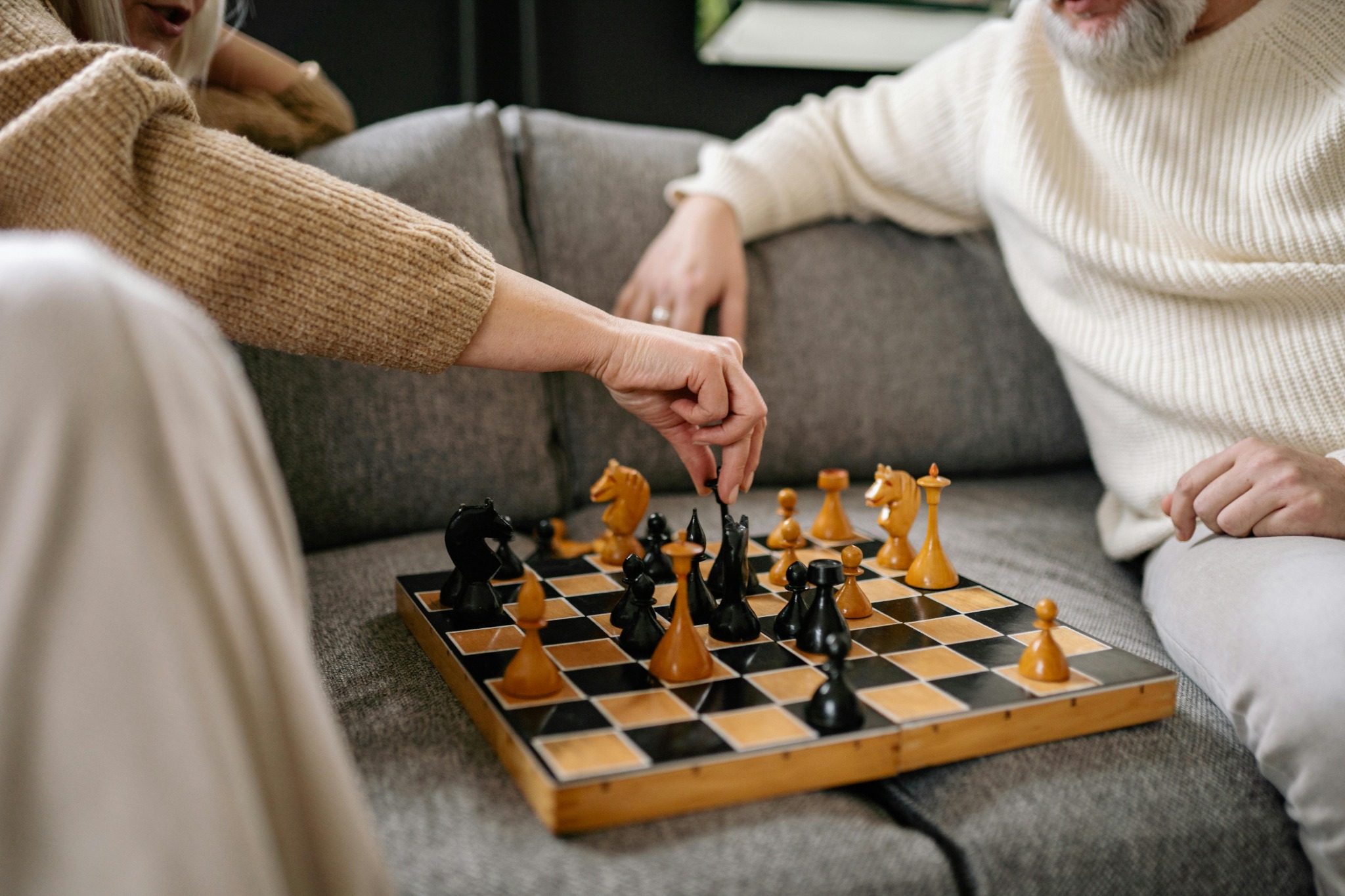
A relaxed guest is one who feels anticipated. Keep an extra phone charger in a drawer. Have a few local snacks or postcards nearby. Add a shelf of easy reads or board games.
Small details show care, but they also distract the brain from planning. When guests have what they need, they stop scanning for what’s missing, and that’s when they relax.
Even a handwritten note can do more than a dozen amenities. Something simple like “Enjoy the quiet here” connects them to your home personally.
7. Keep it real
Guests don’t relax in spaces that feel untouchable. A home that looks perfect in photos can sometimes feel too staged in real life. Leave a bit of warmth—a half-full bookshelf, a plant that isn’t symmetrical, a cozy throw that looks used.
People want to feel like they’ve stepped into someone’s genuine space, not a set. That’s what makes Houfy homes special: they’re lived-in, personal, and welcoming in a way hotels can’t replicate.
The homes that stay with guests
When guests think back on their stay, they’ll remember how your home felt. Maybe it was the smell of coffee in the morning, the view from the window, or the way everything seemed to fall into place without effort.
That’s what relaxation really is, the absence of effort. On Houfy, hosts who focus on ease and authenticity don’t just earn better reviews; they also attract repeat guests. So look around your home. Ask yourself what small changes could make it softer, simpler, or easier to just be. That’s how you turn a listing into a feeling.