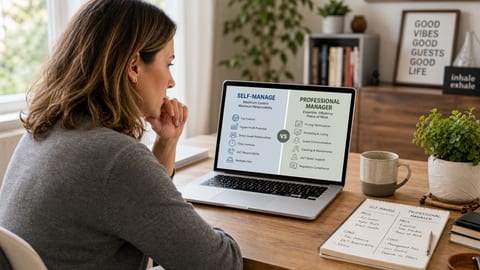

The check-in moment sets the tone for the entire stay. Long before guests notice your décor or your view, they notice how easy it was to get inside. Or how hard. A smooth check-in lowers stress fast. A messy one sticks in their head longer than you expect.
Most hosts don’t lose guests due to major issues. They lose them because of the small friction at arrival. Confusion. Silence. Tiny delays that pile up after a long drive or flight. The good news is that check-in is one of the easiest parts of hosting to improve.
1. Start Communicating Earlier Than You Think
Many hosts send arrival instructions the day of check-in. That’s often too late. Guests plan around your messages. They decide when to leave, where to stop, and what time they’ll arrive based on what you send. When instructions come early, guests feel prepared.
Send a short message two or three days before arrival. Confirm the address. Mention parking. Say when detailed check-in instructions will arrive. That one message reduces follow-up questions and shows you’re paying attention.
2. Make Arrival Instructions Skimmable
Guests don’t read arrival instructions the way hosts write them. They skim. Often from a phone. Often, while standing outside your door. Long paragraphs don’t help in that moment. Clear steps do.
Break instructions into short sections. Use simple language—one action per line. Avoid extra context unless it helps them unlock the door faster. Think like someone holding luggage in one hand and their phone in the other. If they can’t understand the steps in ten seconds, it’s too much.
3. Confirm The Basics Every Time
Even repeat guests forget details. Always confirm:
Parking location
Entry method
Wi-Fi basics
Who to contact if something doesn’t work
You might feel repetitive. Guests feel reassured. A smooth vacation rental check-in process is less about being clever and more about being obvious.
4. Test Your Check-In Like a Guest
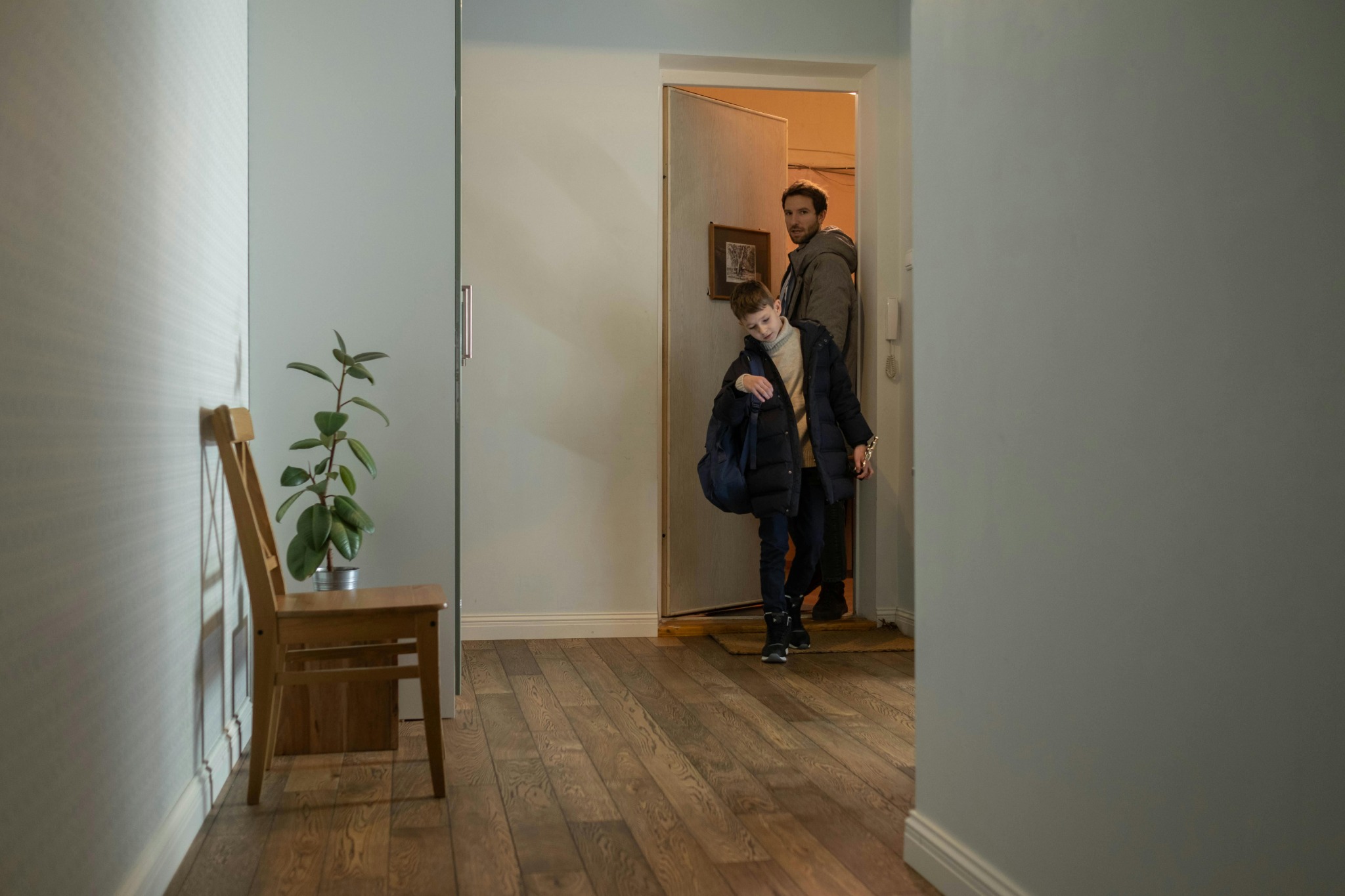
Walk through your own check-in process once every few months. Pretend you’ve never been there before. Arrive after dark. Use your phone, not your laptop. Follow your own instructions word for word.
You’ll notice things fast. The porch light that doesn’t turn on automatically. The keypad that’s hard to see. The lock that sticks when it’s cold. These are small things. But they matter at arrival, when guests are tired and alert at the same time.
5. Reduce Decisions At The Door
Guests don’t want to think at check-in. They want confirmation. If you offer self-check-in, make it feel obvious. Lights on. Clear signage. A visible path. A short note that says “You’re in the right place.”
If there are multiple doors, say which one to use. If there’s a lockbox, show exactly where it is. Photos help more than text here. Every removed decision lowers stress.
6. Don’t Go Silent After Check-In
Many hosts disappear once the door unlocks. That’s a missed moment. Send a short message an hour or two after check-in. Not a long one. Just enough to say you’re available.
Something like: “Hope you got in smoothly. Let me know if anything feels off.” Guests rarely reply. But they notice you’re present. That presence builds trust fast.

7. Prepare For Late Or Delayed Arrivals
Guests arrive later than planned. Flights run long. Traffic happens. Weather changes plans. A smooth check-in accounts for that without making guests explain themselves.
Make sure instructions work at midnight. Make sure exterior lights turn on automatically. Make sure your entry system doesn’t rely on perfect timing. Stress-free arrival matters most when things don’t go as planned.
8. Avoid Over-Explaining House Rules At Arrival
Check-in is not the moment to teach everything. Guests don’t want rules when they’re unlocking the door. They want access. Comfort. A sense they made it.
Share critical rules in advance. Leave the rest for a house manual inside the home or a message the next day.
9. Match Your Tone To The Stay
A family cabin and a city studio don’t need the same check-in voice. Match your tone to your space. Friendly but calm. Clear but not stiff. Helpful without sounding automated.
Guests notice when messages feel human. Even a small personal line makes a difference. That’s part of the first impression for guests. It tells them how the rest of their stay will feel.

10. Use Automation Carefully
Automation helps. Over-automation hurts. Automated messages work best for logistics–codes, times, directions. They work worst for reassurance.
If you automate, read the message out loud. Does it sound like you, or like a system? A smooth guest check-in experience still needs a human layer, even if the process itself is contactless.
Remember What Guests Actually Want
Guests don’t want perfection. They want ease. They want to arrive without guessing. To enter without stress. To feel welcomed without effort. When check-in works, guests relax faster. They forgive small flaws later. They remember the stay more positively. And they’re more likely to return.
On Houfy, where guests often book directly with hosts, this matters even more. A smooth check-in builds trust without a platform buffer. It shows guests you’re organized, present, and thoughtful. Small fixes here don’t just reduce questions, but shape the entire stay.