
Unauthorized parties are one of the biggest concerns for short-term rental hosts. They can lead to noise complaints, property damage, upset neighbors, and even legal trouble. The good news? You can prevent most parties from even starting with the right setup, screening, and communication. Here's how to prevent unauthorized parties at your rental, before you're left cleaning up the mess.
1. Set Clear House Rules From the Start
Your first line of defense is making your expectations crystal clear. Your listing should include firm, easy-to-understand rules that outline what's allowed and what's not. At a minimum, include:
No parties or events allowed
Maximum guest count, including non-overnight visitors
Quiet hours (e.g., 10 PM – 8 AM)
Noise monitoring in place (if applicable)
Include these house rules in your listing, rental agreement, and pre-arrival messages. Repetition works.
2. Screen Your Guests Carefully
Not every guest is a red flag, but certain behaviors should make you pause. Watch for:
Last-minute bookings
One-night weekend stays
Vague or incomplete messages
Local guests booking nearby stays (especially for one night)
If you're unsure, ask questions:
What brings you to the area?
Who will be joining you?
How many cars will you be bringing?
You're not being rude, you're protecting your home. On Houfy, direct bookings mean you control the conversation, and you're free to decline guests who don't feel like a good fit.
3. Collect a Signed Rental Agreement and ID
A formal rental agreement helps set the tone and gives you leverage if anything goes wrong. It should include:
House rules
Guest responsibilities
Maximum occupancy
Check-in/check-out policies
Along with this, collect a copy of the guest's government-issued ID. This confirms who's staying and shows you're serious about protecting your property. Houfy supports this kind of setup easily—no platform restrictions, no service fee interference.

4. Use a Security Deposit
A security deposit isn't just for covering damage; it also acts as a deterrent. Guests are far less likely to host a party if they know they could lose money over it.
You set the amount and the terms. It doesn't need to be excessive, just enough to show that you mean business. Clearly explain in your rental terms when and why a deposit could be withheld.
5. Limit One-night Stays (Especially on Weekends)
Most parties happen during one-night weekend bookings. If your rental is in a high-traffic area or city with a younger population, this is even more of a risk.
Consider setting a two-night minimum for weekends. You can always allow one-night stays midweek or on a case-by-case basis after screening the guest.
6. Use Smart Technology (Without Invading Privacy)
There are tools that help you stay on top of things without being intrusive. These include:
Noise monitoring devices (like Minut or NoiseAware): They measure decibel levels but don't record audio.
Video doorbells: You can see how many people are entering the property and when.
Smart locks: Control access remotely and track who's coming and going.
If you use any of these, always disclose them in your listing and rental agreement.
7. Verify Guest Count Before and After Booking
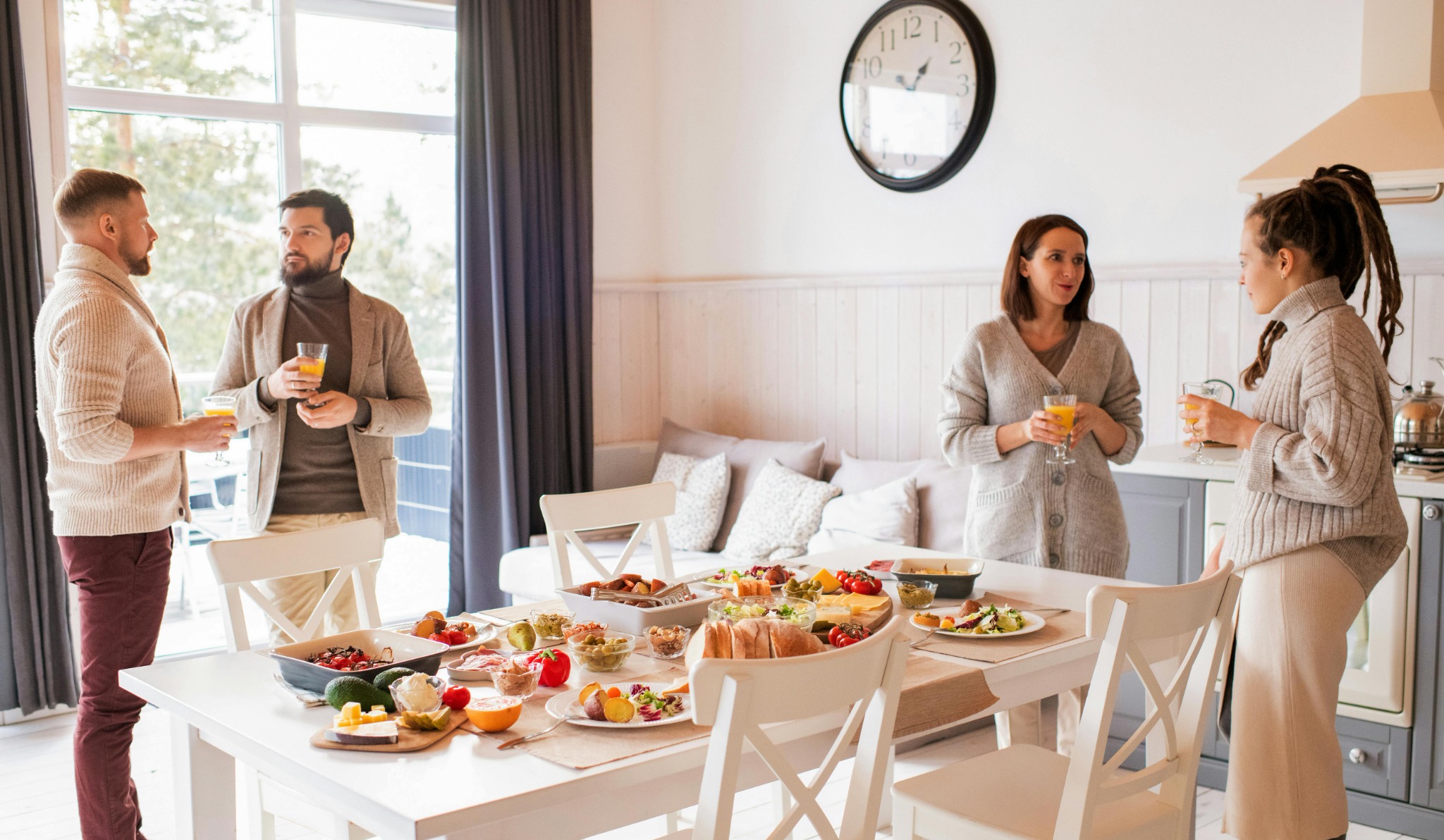
It's one thing for someone to say, "Just me and my partner," but if four cars show up and the doorbell camera catches ten people entering, that's a red flag. When confirming the booking, restate your max occupancy and ask how many guests will be staying. On check-in day, send a quick reminder like:
"Hi [Guest], just a quick welcome message! Just confirming it's still two of you tonight, and as a reminder, the max occupancy is four, and we have a strict no-party policy in place." Friendly but firm.
8. Make It Harder to Throw a Party
It may sound obvious, but the design of your space matters too. If your rental has disco lights, multiple bars, or giant outdoor speakers, it may attract guests looking to host a crowd.
Instead, make it cozy, peaceful, and designed for relaxing. Limit sleeping surfaces (air mattresses, futons, etc.) and avoid promoting your place as ideal for "group gatherings" unless you're truly equipped to handle that responsibly.
9. Build Relationships With Neighbors
Your neighbors can be your eyes and ears on the ground, especially if you manage remotely. Let them know that you run a short-term rental and are committed to being a respectful host.
Give them a way to contact you directly if something seems off, like too many cars, loud music, or strangers showing up. Being proactive keeps the peace and builds trust.
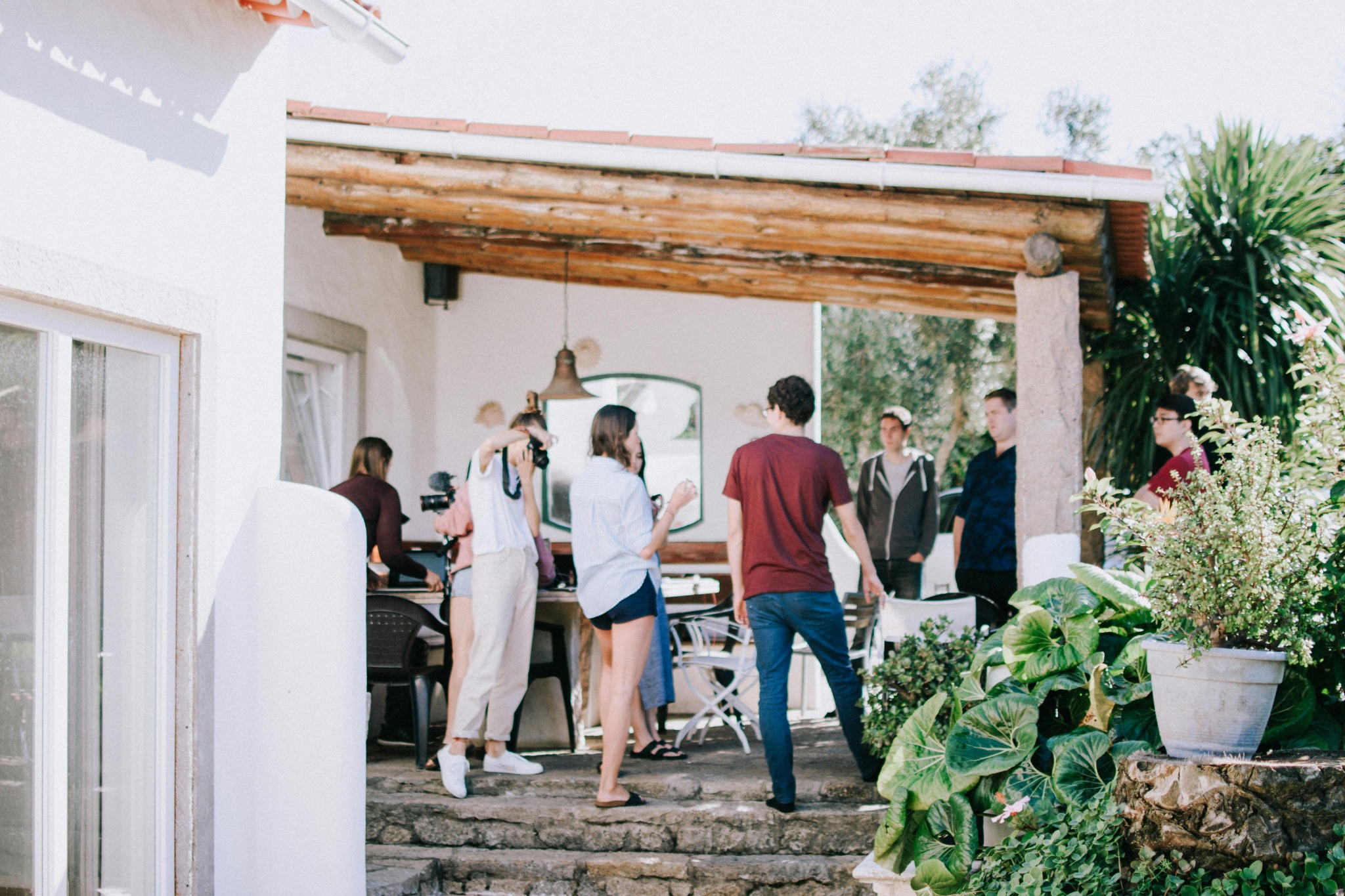
10. Act Fast at the First Sign of a Problem
Even with all the right systems in place, things can go wrong. If a neighbor reports noise, or your monitoring device shows unusually high volume at 11 PM, don't wait.
Send a quick message like: "Hi [Guest], we're getting alerts about loud noise at the property. Just a reminder that our quiet hours start at 10 PM and parties are not allowed. Please bring the volume down immediately."
Often, a quick heads-up is enough to shut things down before they escalate. If not, be prepared to contact local authorities or your insurance provider, depending on the situation.
Prevention is Easier Than Cleanup
The best time to stop a party is before it starts. With clear rules, strong guest screening, and a few smart tools, you can avoid most of the headaches that come with unauthorized events.
Platforms like Houfy give you the flexibility and control to host on your terms: no forced acceptance policies, no third-party interference, and full access to guest communication. When you list on Houfy, you're building a more secure, direct connection with your guests. Start protecting your rental and your peace of mind—list on Houfy today.