
Most hosts think atmosphere starts and ends with décor. Furniture, wall art, and a color palette that looks good in photos. That’s part of it. But it’s not the part guests remember most.
What people react to, often without realizing it, is how a place feels the moment they walk in. The temperature, the quiet, the smell of the air. The way the lighting hits in the evening. These details shape the guest experience long before anyone notices the sofa or the throw pillows.
If you want your vacation rental to feel intentional rather than staged, you need to think beyond how it looks and start paying attention to how it feels.
Atmosphere Is a Sensory Experience
Every stay is a full sensory experience. Guests are constantly picking up signals, even when they don’t name them.
Is the space calm or overstimulating?
Does it feel warm or sterile?
Can they relax without adjusting everything?
This is where hosting for the senses comes in. You’re not designing a showroom. You’re creating an environment where people can settle in effortlessly. When the atmosphere works, guests stop thinking about the space. They just live in it.
1. Sight: Lighting Sets the Mood Before Anything Else
Lighting does more emotional work than furniture. Overhead lights alone make a space feel flat and functional. Guests may not complain, but they won’t feel at ease either.
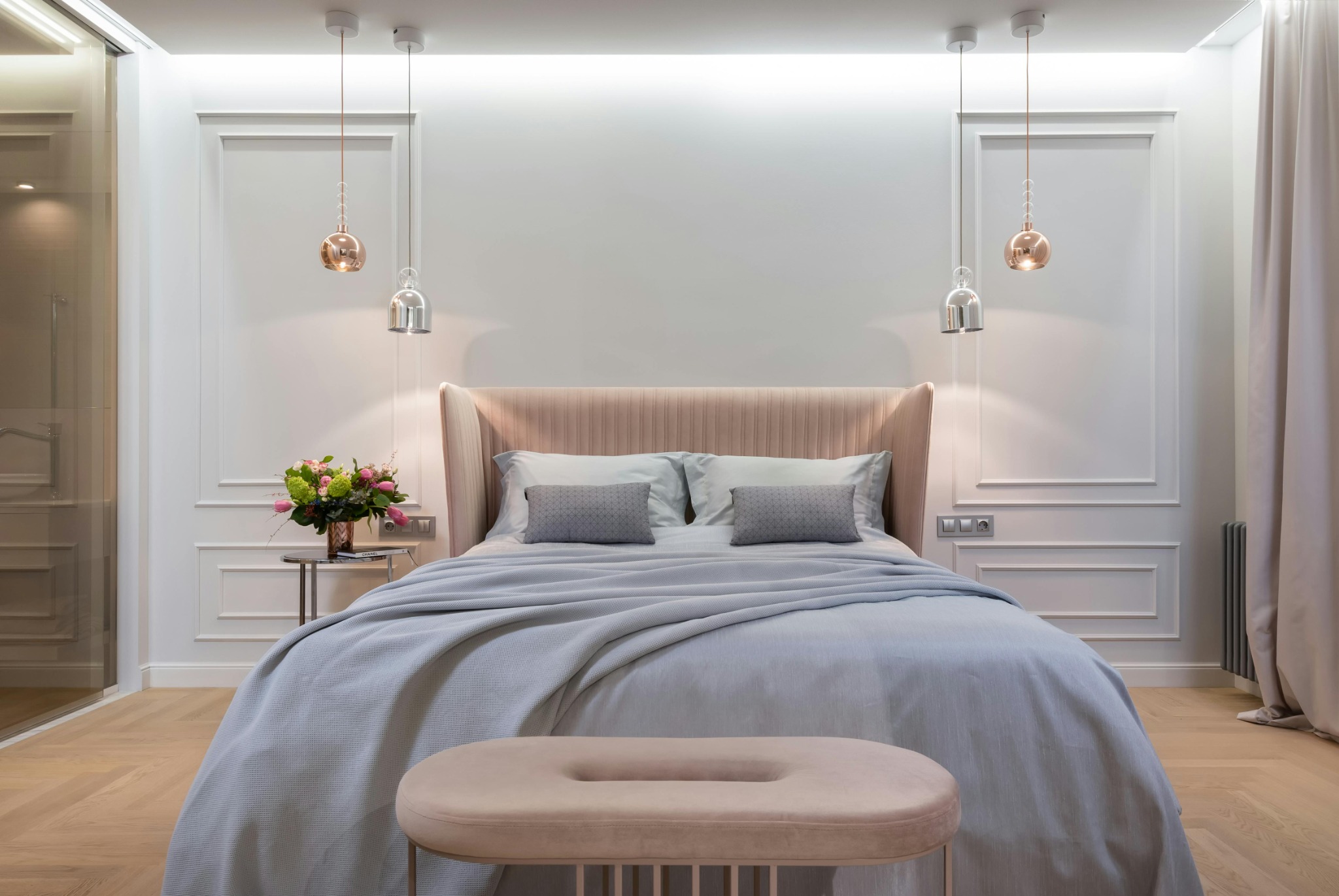
Layered lighting changes that. Soft lamps in living spaces. Warm bedside lights that don’t flood the room. Light that feels calm at night and useful during the day. It signals when to slow down.
Guests rarely articulate this, but they feel it. A space that looks fine in daylight can feel harsh after sunset if the lighting isn’t thought through. Evening comfort matters more than daytime brightness. If the space feels good at nine at night, you’ve done it right.
2. Sound: Quiet Is Part of Comfort
Sound shapes how safe and calm a place feels. Guests notice noise immediately. Traffic. Neighbors. Thin walls. Even appliances that hum or click throughout the night.
You don’t need full soundproofing to improve the experience. Soft furnishings help absorb noise. Clear communication helps manage expectations. White noise in bedrooms gives guests control when silence isn’t possible.
What matters is predictability. Guests relax when they understand what sounds are normal and when they feel they can manage them. Unexpected noise creates stress, even in an otherwise beautiful space. Quiet doesn’t mean silence. It means fewer surprises.
3. Smell: First Impressions Happen Before Guests Look Around
Smell is the fastest way to shape a first impression. It’s also easy to overdo. Strong fragrances divide guests quickly and can make a space feel artificial.
Most guests prefer neutral air. Clean. Fresh. Nothing specific. That usually means letting airflow do the work and avoiding heavy scent products that linger between stays.
Cleanliness smells better than fragrance. Unscented products help. So does airing out the space properly before check-in. If guests don’t notice the smell at all, you’ve likely done it right.
4. Touch: Comfort Shows Up in Small Physical Details
Guests are constantly touching things. Sheets. Towels. Handles. Floors. Seating. These details register even when no one mentions them.
One uncomfortable texture can undo a lot of good work. Scratchy bedding or stiff towels stand out because they interrupt rest. Guests may not complain, but they remember how they slept.
You don’t need luxury brands. You need consistency. When everything feels considered, the space feels trustworthy. When one item feels cheap, guests notice the contrast. Physical comfort builds emotional comfort faster than décor ever will.
5. Temperature: Ease Matters More Than Perfection
Temperature problems show up in reviews more than most hosts expect. Too hot. Too cold. Hard to adjust. Loud systems. These issues create friction fast.
Guests want control. Clear thermostat instructions. Extra blankets. Fans where needed. Curtains that help regulate light and heat. Small things prevent bigger frustrations.
A space that’s difficult to regulate feels stressful. A space that’s easy to adjust feels welcoming, even if conditions outside change. Comfort should feel effortless, not negotiated.

6. Daily Routines Shape How Natural a Stay Feels
Guests don’t want to relearn how to live for a few days. They want routines to feel familiar and easy. Coffee, meals, winding down at night.
When the basics are simple, the space disappears into the background. When setups are confusing, guests stay mentally alert. That breaks the sense of rest.
Clear systems support an atmosphere more than extra amenities. If guests don’t need instructions for everyday tasks, they relax faster. That’s when the stay starts to feel natural.
Emotional Comfort Is the Outcome You’re Really Designing For
Atmosphere is emotional before it’s visual. Guests want to feel safe, welcome, and unhurried. They want to feel like the space works with them, not against them.
This shows up in clear communication, honest listings, and predictable setups. It’s about removing friction, not adding amenities. When guests don’t have to ask questions, they feel taken care of. When they trust the space, they settle in. That trust becomes the memory they leave with.
What Guests Remember After They Leave
Most guests won’t remember your décor choices. They will remember how they slept. How calm the evenings felt. How little effort it took to relax. That’s the emotional guest experience. It’s what drives repeat bookings and quiet recommendations. Not wow moments, but ease.
Hosting for the senses means designing for how people actually live. Not how spaces photograph. And for Houfy hosts, that kind of atmosphere fits naturally. Real homes. Real comfort. Real stays that feel good long after check-out.